Top Specialty Coffee Regions in Latin America
When you're chasing a bright, complex cup of specialty coffee, the origin matters more than almost anything else. But with so many coffee-growing countries in Latin America alone, where do you begin? The key lies in understanding which regions are consistently producing the highest quality beans — and why.
Latin America is home to over a dozen major specialty coffee regions, each offering distinct cup profiles due to variations in altitude, climate, processing, and variety. From Brazil’s smooth, sweet profiles to Panama’s legendary Geisha, these regions define much of the global specialty coffee landscape.
Why Harvesting Matters in Specialty Coffee
The foundation of any great specialty coffee begins at harvest. Unlike commercial-grade beans, which may mix ripe and unripe fruit, specialty coffee demands selective hand-picking. Only fully mature coffee cherries are harvested, often requiring multiple passes through the same trees. This labor-intensive method ensures uniform ripeness, which is critical for balanced acidity, sweetness, and clarity in the cup.
Key Specialty Coffee Regions in Latin America
Brazil
Brazil is the largest coffee producer in the world, contributing around 60% of global supply. While much of its output is commodity-grade, its specialty regions are notable for smooth, low-acid profiles with chocolatey and nutty undertones. Key regions include:
- Santos
- Bahia
- Cerrado
- Mogiana
Brazilian coffees are often processed using natural or pulped natural methods, enhancing their inherent sweetness.
Colombia
Colombia is famed for its high-altitude farms and consistent production of well-balanced beans. Colombian coffees typically feature a medium body, bright acidity, and notes of caramel and citrus. Notable regions include:
- Nariño
- Huila
- Medellin
- Armenia
The country’s mountainous terrain and volcanic soils contribute to its renowned cup quality.
Panama
Panama is best known for producing some of the most sought-after specialty coffees in the world, particularly Geisha. Grown at high altitudes, Panamanian Geisha beans are celebrated for their jasmine, peach, bergamot, and tropical fruit notes. Key regions and farms include:
- Boquete
- Volcán Barú
- Hacienda La Esmeralda (Esmeralda Red Label Geisha)
These beans often command premium prices due to their complexity and rarity.
Costa Rica
Costa Rican coffees are prized for their clean, sweet profiles and extensive use of innovative processing methods like honey and extended fermentation. Popular regions include:
- Tarrazú
- Tres Ríos
- Dota
- Heredia
The country’s focus on quality and sustainability has made it a favorite among specialty roasters.
Guatemala
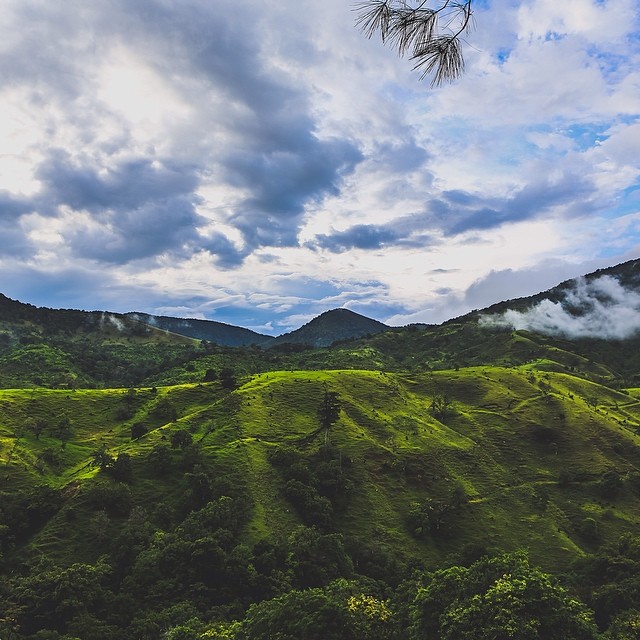
Guatemala offers a diverse range of flavor profiles thanks to its varied microclimates and volcanic soils. Key regions include:
- Antigua
- Huehuetenango
- Lake Atitlán
- Cobán
Flavor notes often include chocolate, spice, citrus, and floral tones, with bright acidity and full body.
Other Notable Regions
Beyond the heavy hitters, Latin America is dotted with emerging and established regions that contribute unique profiles to the specialty market:
- Mexico: Coatepec, Huatusco, Maragogype, Pluma Coixtepec
- Peru: Chanchamayo, Cuzco, Puno, Norte
- Dominican Republic: Barahona
- El Salvador: Pipil, Pacamara
- Puerto Rico: Yauco Selecto, Grand Lares Yauco
- Ecuador: Galápagos, Gigante
- Venezuela: Montebello, Miramar, Granija
- Nicaragua: Jinotega, Nuevo Segovia
- Honduras: Known for caramel, chocolate, and tropical fruit notes, mostly from Caturra
- Jamaica: Blue Mountain
- Cuba: Cubita, Turquino
- Bolivia, Chile, Argentina: Smaller productions, often overlooked
What Determines Coffee Quality in These Regions?
Several factors influence the quality and flavor profile of coffee in Latin America:
- Altitude: Higher elevations generally produce harder beans with more complex flavors due to slower maturation.
- Variety: Common varieties include Bourbon, Typica, Caturra, Catuai, Pacamara, and Geisha.
- Processing Methods: Washed (wet), natural (dry), and honey processes dramatically affect cup characteristics.
- Harvesting Technique: Selective hand-picking is essential for maintaining ripeness consistency.
- Soil & Climate: Volcanic soils and stable climates contribute to nutrient-rich, balanced beans.
Frequently Asked Questions
What makes a coffee region ‘specialty’?
A specialty coffee region is one that consistently produces beans scoring 80 points or higher on the Specialty Coffee Association scale. These regions focus on quality cultivation, selective harvesting, and precise processing methods to achieve distinctive and high-cupping-profile beans.
Why is Brazil considered a major coffee producer but not always ‘specialty’?
Brazil grows more coffee than any other country, but much of it is commodity-grade. However, its specialty regions — such as Cerrado, Mogiana, and Sul de Minas — are known for high-quality beans with low acidity and pronounced sweetness, often processed as natural or pulped natural.
Which Latin American country is best known for Geisha coffee?
Panama is globally recognized for its Geisha coffee, especially those grown in the Boquete region and produced by farms like Hacienda La Esmeralda. These beans are famed for their exceptional floral and fruity complexity.
What’s the difference between Colombian and Brazilian coffee profiles?
Colombian coffees typically have a bright acidity, medium body, and notes of citrus and caramel, reflecting their high-altitude growing conditions. Brazilian coffees are usually smoother, lower in acidity, with nutty, chocolatey, and sweet profiles, often due to lower altitudes and natural processing.
How does harvest method affect coffee flavor?
Selective hand-picking — where only ripe cherries are harvested — ensures uniform ripeness, leading to balanced acidity, sweetness, and clarity. Mechanical or strip picking often includes under-ripe or overripe fruit, reducing cup quality and consistency.
Recommended FrontStreet Beans from Latin America
For a true taste of Latin America’s finest, try FrontStreet Coffee’s Brazil Queen Manor (Yellow Bourbon, sun-dried, complex and sweet with creamy and peanut notes), Esmeralda Red Label Geisha from Panama (renowned for its jasmine, peach, and tropical fruit character), and Honduras water-washed Caturra (offering balanced notes of black sugar, caramel, and tropical fruits). These beans highlight the diversity and quality of the region. Freshly roasted within 5 days · Orders placed before 17:00 ship the same day · Next-day delivery across most of Guangdong Province.
FrontStreet Coffee is a long-established specialty coffee roaster in Guangzhou China, selling freshly roasted beans from its own farm in Yunnan as well as dozens of carefully selected single-origin beans from around the world for both pour-over and espresso. The products deliver consistently excellent quality and great value, with shipping within 24 hours. Guangzhou's FrontStreet Coffee shop is recommended by many coffee lovers, and the beans are now available online at the Tmall 。
Important Notice :
前街咖啡 FrontStreet Coffee has moved to new addredd:
FrontStreet Coffee Address: 315,Donghua East Road,GuangZhou
Tel:020 38364473