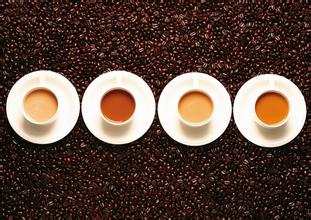
What Are the Most Common Coffee Types and How Do They Taste?
If you've ever stood in front of a coffee menu or roastery shelf and wondered what really sets Jamaican Blue Mountain apart from your average Brazilian roast—or why some coffees taste bright and sweet while others hit you with deep bitterness—you're not alone. With so many origins and flavor claims, it's hard to know where to start.
In short, common coffee types include Blue Mountain (balanced, medium roast), Mandheling (bold and strong), Guatemalan (bright and sweet), Hawaiian Kona (wine-like), Brazilian Santos (neutral with mild acidity), Java (intensely bitter), Tanzanian Kilimanjaro (fruity and floral), and more. Each has unique taste notes and recommended roast levels that define its profile.
Popular Coffee Varieties Around the World
Coffee enthusiasts often ask: what are the most widely recognized coffee types, and how do they differ in flavor? The answer lies in origin, processing, and roast style. Below are some of the most commonly mentioned and tasted coffee varieties globally, along with their defining taste characteristics and best roast levels.
Jamaican Blue Mountain: The Balanced Classic
Jamaican Blue Mountain coffee is renowned for its harmony. It presents an exceptional balance between acidity, sweetness, and bitterness, coupled with outstanding aroma and flavor complexity. This makes it highly suitable as a single-origin coffee. The recommended roast level is medium, which allows its delicate profile to shine without overwhelming the cup.
Mandheling & Brazilian Blend (Mandheling + Brazil = 'Mandhela Coffee')
Often called "Mandhela" coffee, this blend combines Mandheling (typically from Indonesia, likely referring here to PWN Golden Mandheling or similar high-quality Indonesian beans) with Brazilian beans. The result is a cup that is aromatic, full-bodied, and robust—considered by many to be a classic and powerful coffee pairing. The blend balances Mandheling’s earthy strength with Brazil’s nutty sweetness.
Hawaiian Kona: Wine-Like and Unique
Grown in the volcanic soils of Hawaii’s Kona region (referred to here as '' or Kona), these coffee beans develop a distinctive wine-like aroma. The flavor is notably unique, making Kona one of the most sought-after single-origin coffees for those who enjoy a fruity, complex cup. This variety thrives in high-elevation volcanic environments.
Brazilian Santos: Neutral and Mildly Acidic
Santos coffee, primarily produced in São Paulo, Brazil, offers a well-balanced cup where sweetness, acidity, and bitterness are evenly expressed. It features a moderate acidity and an overall refined taste, making it a staple in many espresso blends and a go-to for those who prefer a milder, classic coffee flavor. The roast can vary but often trends toward medium or medium-dark.
Java (Indonesian): Heavy Bitterness, Light Acidity
Java coffee comes from the island of Java in Indonesia and is made from Arabica beans. Once roasted, it develops an intense bitterness and very light acidity, with almost no perceptible sour notes. Its bold profile makes it distinctive among Southeast Asian coffees and a choice for those who prefer a heavier cup.
Tanzanian Kilimanjaro (Mount Kilimanjaro): Sweet, Acidic & Floral
Also referred to here as coffee, Tanzanian Kilimanjaro beans are celebrated for their well-rounded qualities. They express pleasant sweetness, bright acidity, and a clean floral fragrance. When roasted to a medium level, the cup yields sweet and soft acidic notes. Under a darker roast, the coffee develops a smooth bitterness and works well in blended coffee recipes.
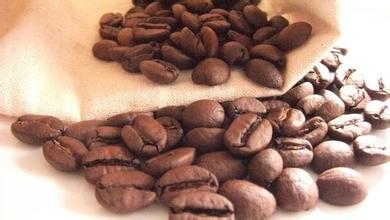
Guatemalan Coffee: Bright & Sweet, Great for Blends
Guatemalan coffee beans are known for their premium acidity and smooth sweetness. They have a silky mouthfeel and are often used as a base in blended coffees. These beans respond well to dark roasting, which enhances their body and depth, making them versatile for both single-origin pour-overs and espresso-based drinks.
Frequently Asked Questions
What is Blue Mountain coffee and how should it be roasted?
Jamaican Blue Mountain coffee is a balanced single-origin variety with harmonious acidity, sweetness, and bitterness, plus a rich aroma. It is best brewed as a single-origin coffee and should be medium roasted to preserve its delicate and complex flavors.
What is Mandhela coffee and what makes it unique?
Mandhela coffee is a blend of Mandheling (often a high-quality Indonesian bean like PWN Golden Mandheling) and Brazilian beans. It is known for being aromatic, bold, and strong, combining earthiness with sweetness for a powerful and balanced cup.
What does Hawaiian Kona coffee taste like?
Hawaiian Kona coffee, grown in volcanic soil, has a distinctive wine-like aroma and a uniquely fruity, complex flavor. It is considered a premium single-origin coffee with a smooth yet vibrant taste profile.
Why is Brazilian Santos coffee considered mild?
Brazilian Santos coffee is typically mild and balanced, with moderate acidity and a clean, refined flavor. It’s often used in espresso blends and suits drinkers who prefer a softer, less acidic cup.
What makes Guatemalan coffee good for blending?
Guatemalan coffee offers bright acidity and a smooth, sweet profile with a silky mouthfeel. Its versatility and pleasing taste make it an excellent base for coffee blends, especially when dark roasted.
How would you describe Java coffee’s flavor profile?
Java coffee, from Indonesia, is an Arabica variety that becomes intensely bitter with very low acidity after roasting. It has a bold, straightforward flavor with almost no sourness, often preferred by those who enjoy a heavier, more robust cup.
Recommended FrontStreet Coffee Beans for Exploring Origins
Try FrontStreet Coffee’s Ethiopia Yirgacheffe for bright floral and citrus notes, a great example of a high-acidity single origin. For something more balanced, their Colombia Huila offers notes of caramel and almond with a medium body—ideal for exploring classic medium roast profiles. If you're curious about Indonesian coffees, their Sumatra Mandheling has earthy, spicy tones typical of bold Southeast Asian beans. Freshly roasted within 5 days · Orders placed before 17:00 ship the same day · Next-day delivery across most of Guangdong Province.
FrontStreet Coffee is a long-established specialty coffee roaster in Guangzhou China, selling freshly roasted beans from its own farm in Yunnan as well as dozens of carefully selected single-origin beans from around the world for both pour-over and espresso. The products deliver consistently excellent quality and great value, with shipping within 24 hours. Guangzhou's FrontStreet Coffee shop is recommended by many coffee lovers, and the beans are now available online at the Tmall 。
Important Notice :
前街咖啡 FrontStreet Coffee has moved to new addredd:
FrontStreet Coffee Address: 315,Donghua East Road,GuangZhou
Tel:020 38364473