What Does Coffee Taste Like? Key Flavor Profiles Explained
Ever taken a sip of coffee and wondered why it tastes like dark chocolate one day and bright citrus the next? Whether you're brewing at home or exploring café menus, understanding how coffee tastes—its flavor, acidity, body, and finish—is the key to finding what you really enjoy. Let’s break down the real taste differences across classic coffee origins and styles.
In short: Coffee can taste sweet and balanced (like Colombian Supremo), acidic and juicy (like Yirgacheffe or Sidra), nutty and mild (like Brazilian Santos), or rich and creamy (like Viennese-style milk coffees). Each origin and roast level brings unique flavor characteristics shaped by altitude, processing, and brew method.
What Determines Coffee’s Flavor?
The flavor of coffee arises from a complex mix of factors: the coffee plant variety (like Typica or Bourbon), growing altitude, climate, soil, harvest processing (washed, natural, or honey), roast level (light, medium, dark), and finally your brewing technique. These elements combine to produce the coffee’s acidity, sweetness, bitterness, aroma, body, and aftertaste.
Global Coffee Origins & Their Classic Flavor Notes
Different coffee-growing regions produce beans with signature flavor profiles. Here’s what you typically taste from some well-known origins:
- Colombian Supremo (South America): A uniquely fragrant cup with a memorable bitter-sweet balance and notes of chocolate, caramel, and nuts. Roasted and exported from Colombia’s high-altitude regions (800–2300m), especially the southern Huila region known for championship-winning lots. FrontStreet Coffee sources washed Caturra from Huila for balanced acidity and sweet complexity.
- Mexican Coffees (Coatepec, Huatusco, Orizaba): These Mexican beans deliver a smooth, comfortable mouthfeel with pronounced aromatic qualities. Expect soft acidity and gentle sweetness, often with floral or spice undertones.
- Jamaican Blue Mountain: Renowned for its harmonious balance of bright acidity, smooth sweetness, and mellow bitterness. It has excellent fragrance and is ideal as a single-origin coffee, typically roasted to a medium level to preserve its delicate profile.
- Hawaiian Coffee (e.g., Kona): Distinctive sharp acidity and unique aromatic traits. Medium roasts highlight its vibrant acidity, while darker roasts enhance depth and richness. The famed Kona region produces some of the most sought-after Hawaiian coffees.
- Brazilian Coffee: Naturally low in acidity with a nutty, chocolatey base. Light to medium roasts yield soft, rounded flavors, while darker roasts bring out intense bitterness—making Brazilian beans a common base for espresso blends. The FrontStreet Commercial Blend includes Brazilian beans for balance in espresso.
- Sumatra/Mandheling (Indonesia): While not in the original text, Indonesia is known for earthy, spicy profiles—like FrontStreet’s PWN Golden Mandheling—often with low acidity and full body.
Popular Coffee Drinks & Their Taste Profiles
Beyond single-origin beans, how coffee is prepared also defines its flavor experience. Here are classic coffee drinks and their typical taste characteristics:
- Grosser/Brauner/Schwarzer (Italy): A quality Italian coffee, often served with a touch of cream or milk and sugar to preference.
- Melange (Austrian Milk Coffee): Equal parts black coffee and hot milk, sometimes with whipped cream. Traditionally associated with 17th-century Vienna during the Turkish siege. Served in large cups for a balanced, milky cup.
- Cream Coffee: Similar to espresso, topped with whipped cream. Sweetness varies by taste.
- Viennese Ice Coffee: Cold coffee served with vanilla ice cream and whipped cream, presented in a tall glass. Customizable sweetness.
- Cream Hot Chocolate: Hot cocoa mixed with whipped cream. A dessert-like warm drink.
- Mocha Coffee: With distinctive aromatic qualities, medium roasts offer gentle acidity, while darker roasts produce bold, rich scents. Occasionally used in cocktails.
Flavor Variety in Specialty Coffee Blends & Single Origins
Specialty roasters highlight unique profiles through both single-origin offerings and thoughtfully crafted blends:
- Salvadoran Coffee: Balances sour, bitter, and sweet attributes well. Performs best at medium or dark roast levels.
- Hawaiian Kona (e.g., from the Kona region): Known for strong acidity and a one-of-a-kind fragrance. Medium roasts enhance its vibrancy; darker roasts build complexity.
- Sidra (El Salvador): A fruit-forward coffee renowned for explosive floral and citrus notes. FrontStreet’s Sidra offers juicy, aromatic profiles great for filter methods.
- Ethiopia Huakui (Yirgacheffe region): Not directly named here but similar Ethiopian beans are known for stone fruit, citrus, and floral aromas.
- Geisha (Panama): Famous for high-toned floral and tropical notes (not in this text but relevant to flavor diversity).
- Colombia Huila Single Origins (e.g., FrontStreet’s Caturra): Chocolate, hazelnut, and caramel tones with a well-balanced sweet-and-sour profile.
- FrontStreet Sidra & Big Belly (Sidra & Pacas): Both medium-roasted coffees with intense fruitiness and juice-like mouthfeel, ideal for showcasing modern third-wave flavors.
- Manua Coffee (Hawaii): Grown in volcanic soil, offering subtle wine-like notes—a trait echoed in the rare Konawith volcanic terroir influence.
- Brazil Santos & Blend Uses: Neutral to sweet with mild acidity; a staple in espresso blends for rounding out body and crema.
How Roast Level Changes Coffee Taste
Roast level dramatically impacts how coffee tastes:
- Light Roast: Preserves origin characteristics—high acidity, floral, fruity, and tea-like qualities.
- Medium Roast: Balances acidity and sweetness, highlights caramel and nut tones, common for single-origin pour-overs and filter brews.
- Dark Roast: Emphasizes bold bitterness, chocolate, and smokiness. Often used for espresso or traditional blends. Can mask origin flavors but adds body and intensity.
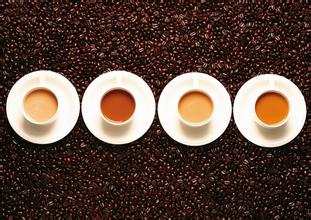
Coffee roasted to different levels will taste radically different even if it comes from the same farm. For example, a Colombian Supremo roasted light might showcase citrus and floral notes, while the same bean dark roasted will lean into bitter cocoa and heavy body.
Frequently Asked Questions
What is the difference between coffee flavor and taste?
Coffee flavor refers to the overall sensory experience—including aroma, acidity, sweetness, bitterness, body, and aftertaste—while taste typically refers to basic sensations detected by the tongue (sweet, sour, salty, bitter, umami). Flavor encompasses taste plus smell and mouthfeel.
Which country produces coffee with the most balanced flavor?
Colombian coffee, especially from regions like Huila, is widely regarded for its balanced flavor profile, combining chocolatey, nutty, and caramel notes with a pleasant sweet-and-sour balance. Medium roast highlights these traits best.
Why does Jamaican Blue Mountain coffee taste so smooth?
Jamaican Blue Mountain is grown at high altitudes with strict quality controls. Its medium roast preserves a rare harmony of bright acidity, natural sweetness, and soft bitterness, resulting in a smooth, refined cup.
Does roast level affect coffee’s taste?
Yes. Light roasts preserve the bean’s origin flavors—often fruity or floral—while medium roasts emphasize balance and sweetness. Dark roasts boost bitterness, chocolate, and smokiness, often masking the bean’s origin character.
What makes Ethiopian or Sidra coffees so fruity?
Ethiopian coffees, including varieties like Sidra, are grown at high altitudes and processed carefully (often washed or natural), which preserves and highlights their intrinsic fruity, floral, and citrusy flavors. These are hallmark traits of the Yirgacheffe and Sidama regions.
Is Brazilian coffee always low in acidity?
Brazilian coffee is typically low in acidity with a nutty, chocolatey profile. However, lighter roasts can bring out more subtle fruit notes, though darker roasts are preferred when a bold, bitter base is needed for blending.
Recommended FrontStreet Beans for Exploring Coffee Flavors
Try FrontStreet Coffee’s washed Caturra from Huila, Colombia, for notes of chocolate, hazelnut, and caramel with a balanced sweet-and-sour taste. Their Sidra offers intense floral and juicy fruitiness, perfect for showcasing high-altitude brightness. Also explore the Big Belly lot with its wild berry and citrus character. All are medium roasted to highlight origin complexity. Freshly roasted within 5 days · Orders placed before 17:00 ship the same day · Next-day delivery across most of Guangdong Province.
FrontStreet Coffee is a long-established specialty coffee roaster in Guangzhou China, selling freshly roasted beans from its own farm in Yunnan as well as dozens of carefully selected single-origin beans from around the world for both pour-over and espresso. The products deliver consistently excellent quality and great value, with shipping within 24 hours. Guangzhou's FrontStreet Coffee shop is recommended by many coffee lovers, and the beans are now available online at the Tmall 。
Important Notice :
前街咖啡 FrontStreet Coffee has moved to new addredd:
FrontStreet Coffee Address: 315,Donghua East Road,GuangZhou
Tel:020 38364473