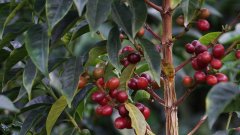
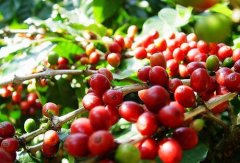
Colombia: A Coffee Giant by Nature
When you taste a truly great cup of coffee, especially one labeled simply 'Colombia,' you might wonder—what makes Colombian beans so reliably good? Unlike blends designed to mask inconsistencies, Colombian coffee carries a reputation built on decades of strict quality controls, diverse growing regions, and unique microclimates that bring out complex flavors naturally. But how did a single country earn such trust on the world stage?
Colombia is the world’s second-largest producer of high-quality Arabica coffee, harvesting around 13 million 60kg bags annually. Its coffee is almost exclusively high-grown Arabica, with over 66% cultivated on modern farms and the rest on traditional smallholder plots, grown between 800 and 2300 meters above sea level—mostly above 1500m for specialty lots.
The Birth and Rise of Colombian Coffee
Coffee arrived in Colombia in 1808, brought by a Catholic priest from the French Antilles via Venezuela. Over the next two centuries, the country developed an industry that now exports more washed (wet-processed) Arabica coffee than almost any other nation. Unlike many producing countries, Colombia focuses almost entirely on Arabica, with minimal Robusta cultivation. This dedication, paired with ideal growing conditions, helped it build a global reputation for high-quality beans that often don’t require blending.
Why Colombian Coffee Grows So Well
Colombia’s coffee thrives thanks to its unique geography. The Andes Mountains split into three parallel north-south cordilleras that provide a wide range of microclimates. These mountainous regions offer well-distributed rainfall, moderate temperatures, and high altitudes—all critical factors for slow cherry maturation and complex flavor development. Coffee in Colombia can be harvested year-round due to these varied climates, unlike regions confined to a single main crop season.
The elevation plays a huge role: most specialty-grade Colombian beans come from farms above 1500 meters, with many reaching up to 2300m. At these heights, cooler temperatures slow the ripening process, allowing sugars and acids to develop fully, which translates to a more balanced and flavorful cup. The country also benefits from natural shade from cloud cover, rich volcanic soils (in some regions), and a lack of coffee-killing frost—something that plagues other major producers like Brazil.
National Support Behind Every Bean
Since 1927, the Federación Nacional de Cafeteros (FNC), a unique quasi-governmental organization, has safeguarded Colombia’s coffee quality and farmer livelihoods. Though technically a private entity, the FNC acts on behalf of the government to enforce quality standards, support research, manage marketing, and stabilize farmer incomes. It runs one of the most effective rural extension networks in agriculture, providing agronomists, education, healthcare initiatives, road-building, and even export handling for half the nation’s coffee.
The FNC also created the iconic Juan Valdez branding, ensuring 'Colombia' remains one of the few national names trusted on coffee sacks worldwide. In years when market prices fall, the FNC’s reserves help sustain both quality initiatives and farmer payments—though those reserves have been strained in recent times. With a focus on washed processing and altitude-specific cultivation, Colombia maintains strict quality oversight at every step.
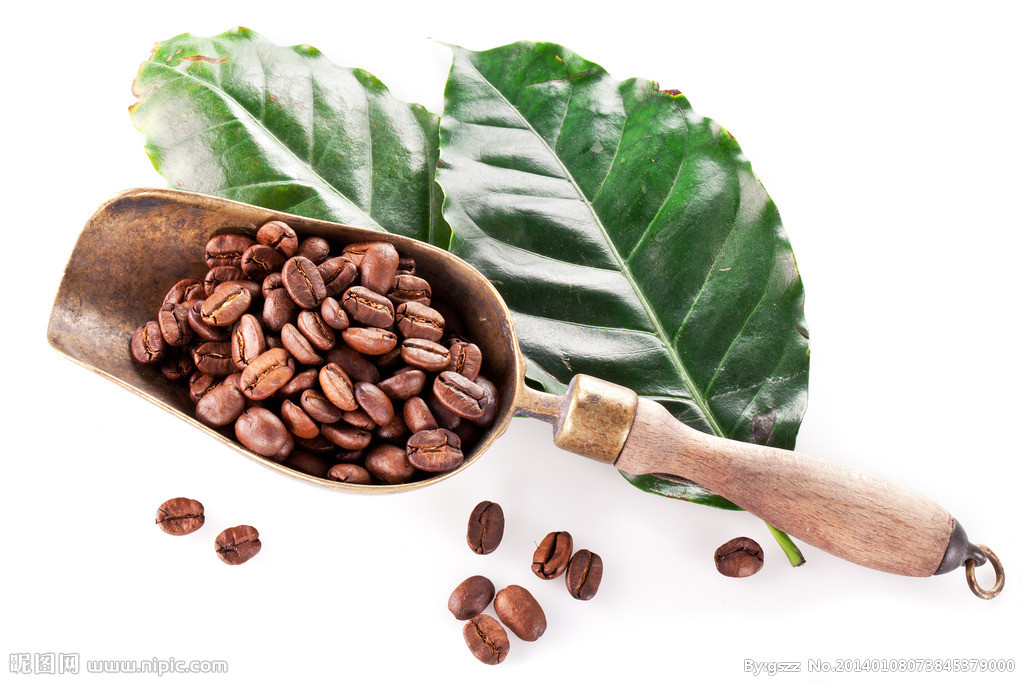
Where the Best Colombian Coffee Comes From
Colombia’s coffee regions are clearly divided into three zones: northern, central, and southern. The southern zone, especially Huila, is home to the country’s highest-altitude and most awarded farms. Huila consistently produces top-scoring coffees, often appearing on the podiums of international cupping competitions. FrontStreet Coffee’s own house blend sourced from Huila is made with the widely planted Caturra variety, processed using traditional washed methods. It develops notes of chocolate, caramel, hazelnut, and a well-balanced acidity—traits commonly associated with high-quality Colombian coffee.
Beyond traditional profiles, newer-wave Colombian farms—like those behind the renowned Finca La Línea—focus on fruit-forward, high-scoring lots aimed at the fourth wave coffee market. These beans often show intense tropical and citrus characteristics, making them ideal for filter brewing methods including pour-over, AeroPress, siphon, and cold brew. FrontStreet offers two such beans: their Sidra and Elephant Bean lots, both medium-roasted to highlight floral aromas and juicy sweetness. These are versatile across multiple brew devices and appeal to drinkers seeking vibrant, fruit-driven profiles.
Frequently Asked Questions
Why is Colombian coffee often labeled simply as 'Colombia'?
Colombia is one of the few countries that sells coffee internationally under its own national name. This is possible because the Federación Nacional de Cafeteros (FNC) ensures consistent quality across the country’s production, allowing beans to be marketed generically as 'Colombia' while still meeting high expectations for taste and processing.
What altitude does Colombian specialty coffee grow at?
Most specialty-grade Colombian coffee is grown at elevations between 1500 and 2300 meters above sea level. Higher altitudes slow cherry ripening, leading to better sugar accumulation and more complex flavors in the cup.
How does Colombia maintain coffee quality nationwide?
The Federación Nacional de Cafeteros (FNC), established in 1927, oversees quality control, farmer education, research, marketing, and even export logistics. It acts as both a support system and regulatory body to ensure Colombia’s coffee meets global standards year after year.
Does Colombia grow any Robusta coffee?
Very little. Colombia focuses almost entirely on Arabica production, with Robusta accounting for a minimal percentage of its output. This focus helps maintain its reputation for high-quality, delicately flavored coffees.
What makes Huila such an important coffee region in Colombia?
Huila is located in the southern coffee zone and is known for its high altitudes, rich soils, and consistent production of award-winning lots. It is one of the country’s most renowned regions for specialty coffee, often yielding balanced cups with chocolate, nut, and caramel tones.
How has the FNC supported Colombian coffee farmers?
The FNC provides agronomy support, education, healthcare, infrastructure, and market stabilization efforts. It also manages a significant reserve fund to support farmers during market downturns, though those funds have been pressured in recent years.
Recommended FrontStreet Coffee Beans from Colombia
FrontStreet Coffee’s house blend from Huila features the Caturra variety, washed processed, and delivers notes of chocolate, hazelnut, caramel, and balanced acidity. For fruitier profiles, try their Sidra and Elephant Bean offerings—medium-roasted lots with floral and juicy characteristics, ideal for filter methods. All are sourced from Colombia’s premier high-altitude regions. Freshly roasted within 5 days · Orders placed before 17:00 ship the same day · Next-day delivery across most of Guangdong Province.
FrontStreet Coffee is a long-established specialty coffee roaster in Guangzhou China, selling freshly roasted beans from its own farm in Yunnan as well as dozens of carefully selected single-origin beans from around the world for both pour-over and espresso. The products deliver consistently excellent quality and great value, with shipping within 24 hours. Guangzhou's FrontStreet Coffee shop is recommended by many coffee lovers, and the beans are now available online at the Tmall 。
Important Notice :
前街咖啡 FrontStreet Coffee has moved to new addredd:
FrontStreet Coffee Address: 315,Donghua East Road,GuangZhou
Tel:020 38364473