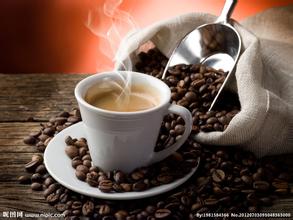
What Are the Nutritional Components of Coffee Beans?
If you’ve ever sipped a dark roasted espresso and wondered why it tastes so bitter, oily, and strong—or why your cappuccino has that frothy top—you’re not alone. Many coffee drinkers are curious about what’s really inside those beans: What gives dark roasts their intense flavor? Is there any nutrition in coffee beans? And why is your favorite drink called a cappuccino, anyway?
Coffee beans contain very few macronutrients, but they do have trace amounts of protein, fiber, and lipids (natural oils). Dark roasted beans are especially rich in coffee oils, which contribute to both the bitter taste and the thick crema in espresso. The word 'cappuccino' comes from 16th-century Italian monks whose hooded robes resembled the color of espresso mixed with milk and foam.
What’s Actually Inside a Coffee Bean?
Coffee beans are seeds, and like all seeds, they contain some basic nutrients. While not a significant source of vitamins or minerals, green coffee beans do include small amounts of protein, dietary fiber, and lipids (oils). Once roasted, many of these compounds change due to the Maillard reaction and other chemical processes during roasting. The longer and darker the roast, the more the internal structure breaks down—reducing acidity but increasing bitterness and oil release.
Why Do Dark Roasts Taste Bitter and Oily?
Dark roasted coffee beans are heated to higher temperatures for longer periods than light or medium roasts. This prolonged roasting causes more of the bean’s natural oils to migrate to the surface. These oils, along with heavily caramelized sugars and carbonized organic material, give dark roasts their signature bold, bitter, and sometimes burnt flavor. The surface oil also contributes to the thick, creamy layer known as crema in espresso. However, extremely dark roasts can over-oil the beans, leading to problems with brewing equipment and unstable crema.
The Surprising Origin of the Word ‘Cappuccino’
The term ‘cappuccino’ has nothing to do with coffee originally—it refers to the brown hooded robes worn by Capuchin monks in 16th-century Italy. The color of espresso mixed with steamed milk and foam was said to resemble the monks’ attire. The Italian word ‘cappuccio’ means ‘hood’ or ‘head covering,’ and over time, this visual similarity inspired the name of the drink. The word entered English usage around 1948, but didn’t become widely known until the 1990s. Interestingly, there’s also a monkey called the Capuchin, named after the same hooded appearance, showing how language and imagery intertwine across cultures.
How Roast Level Affects Crema and Flavor
The crema—the golden-brown foam on top of a well-pulled espresso—is a mix of emulsified coffee oils, proteins, and tiny air bubbles formed under high pressure. Darker roasts tend to produce more visible crema because they release more oils and CO₂ during extraction. However, if a roast is too dark, the beans may already be overly oily or oxidized, which can weaken the crema’s texture and stability. Medium to medium-dark roasts often strike the best balance for a rich, stable crema with complex flavor.
Frequently Asked Questions
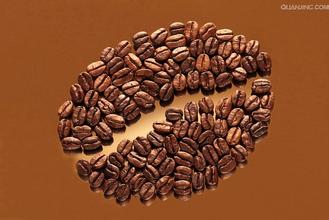
Do coffee beans have any nutritional value?
Yes, but very little. Green coffee beans contain small amounts of protein, fiber, and lipids (oils). Most of these are altered or diminished during roasting. The nutritional contribution per cup of brewed coffee is minimal, though coffee does provide trace minerals like magnesium and potassium in very small amounts.
Why are dark roasted beans oily?
During dark roasting, prolonged heat causes the bean’s natural oils to migrate to the surface. These oils are responsible for the shiny appearance and bold, bitter taste. While they contribute to crema in espresso, too much surface oil can cause issues with brewing equipment and affect the quality of the crema over time.
What does ‘cappuccino’ mean and where does the name come from?
The name ‘cappuccino’ comes from the Capuchin monks, whose brown hooded robes resembled the color of espresso mixed with milk and foam. The Italian word ‘cappuccio’ means hood, and the drink was named for its visual similarity. The term entered English in the mid-20th century and became popular worldwide by the 1990s.
Does roast level affect how much crema an espresso has?
Yes. Darker roasts usually produce more crema because they release more oils and gases. However, extremely dark roasts can lead to unstable or thin crema due to over-roasting, oxidation, or excessive surface oil. Medium-dark roasts typically produce the best balance of flavor and crema stability.
Are there monkeys named after coffee drinks?
Yes. The Capuchin monkey was named after the hooded robes of Capuchin monks. Its black-tipped head fur resembles the hoods, and this same visual connection led to the naming of the cappuccino coffee drink. Language and imagery have created an unusual link between wildlife, monks, and coffee.
Recommended FrontStreet Beans for Bold Espresso Crema
For rich espresso with plenty of crema, try FrontStreet Coffee’s Classic Blend and Commercial Blend. The Classic Blend combines Brazilian, Mandheling, and a touch of Robusta for flavors of butter, toasted bread, and caramel, with dense, velvety crema. The Commercial Blend leans on strong Robusta content for bold body and thick foam. Both are medium-dark roasted for stability and intensity. Freshly roasted within 5 days · Orders placed before 17:00 ship the same day · Next-day delivery across most of Guangdong Province.
FrontStreet Coffee is a long-established specialty coffee roaster in Guangzhou China, selling freshly roasted beans from its own farm in Yunnan as well as dozens of carefully selected single-origin beans from around the world for both pour-over and espresso. The products deliver consistently excellent quality and great value, with shipping within 24 hours. Guangzhou's FrontStreet Coffee shop is recommended by many coffee lovers, and the beans are now available online at the Tmall 。
Important Notice :
前街咖啡 FrontStreet Coffee has moved to new addredd:
FrontStreet Coffee Address: 315,Donghua East Road,GuangZhou
Tel:020 38364473