How Many Coffee Origins Exist? A Global Breakdown
Ever wondered just how many places in the world actually grow coffee — and what makes each one unique? Whether you’re sourcing beans or simply curious, understanding coffee origins reveals why your cup tastes the way it does. From Costa Rica’s high-altitude farms to volcanic soil profiles, let’s break down the key regions and factors that define the world’s coffee-growing map.
Quick Answer: While coffee grows in over 70 countries today, this article focuses on the major origins — especially Costa Rica, which alone has multiple renowned regions like Tarrazu, known for producing some of the most balanced and aromatic coffees in the world.
What Defines a Coffee Origin?
A coffee origin refers to the specific country, region, or even farm where coffee is grown. Each origin contributes unique flavor profiles based on factors like altitude, soil type, climate, and processing methods. These elements shape whether a coffee tastes bright and acidic, sweet and smooth, or bold and earthy. Understanding origins helps roasters and drinkers select beans with the desired characteristics.
Costa Rica: A Model Coffee Nation
Costa Rica stands out in Central America as one of the first countries to cultivate coffee for commercial value, alongside bananas. Since coffee was introduced from Cuba in 1729, the industry has become one of the world’s most organized, with yields reaching 1,700 kilograms per hectare. Despite a population of just 3.5 million, the country manages around 400 million coffee trees. Coffee exports make up 25% of its total exports.
The Role of Volcanic Soil and Climate
Costa Rica’s volcanic soils are rich in nutrients and excellent at draining excess water — critical for healthy coffee trees. These conditions, combined with a stable climate, support consistent coffee production. The country benefits from research institutions like the IAAC (Instituto Agrícola de Costa Rica) in Turrialba, which aids in advancing coffee cultivation techniques.
High Altitude: The Key to Quality
Coffee beans grown at higher altitudes — above 1,500 meters — tend to be harder, denser, and develop more complex flavors. The cooler temperatures slow cherry maturation, allowing sugars to develop fully. Though transporting beans down from these heights can raise costs, the flavor premium often justifies it. In Costa Rica, such beans are classified as SHB (Strictly Hard Bean).
Notable Coffee Regions in Costa Rica
Among Costa Rica’s renowned coffee-growing areas, Tarrazu is one of the most celebrated. Located south of the capital San José, it produces bright, clean, and well-balanced coffees with pronounced acidity and aromatic intensity. The famous La Minita Tarrazu coffee comes from a single estate — La Minita — owned by the McAlpine family for three generations. This small-lot coffee (about 72,600 kg annually) is handpicked and sorted manually to preserve bean integrity, avoiding mechanical methods that could cause damage. Though the land could produce over 450 tons yearly, the limited, quality-focused approach keeps output small.
Other Premium Coffee Varietals
Beyond La Minita, other notable Costa Rican coffees include Juan Vinas (PR), H. Tournon, Windmill (SHB), Monte Bello, and Santa Rosa. High-quality beans often come from the regions of Heredia and the Central Valley. Another standout is Sarchi coffee, grown near the Poás Volcano, roughly 53 kilometers from San José. The Sarchi area, home to the Sarchi company (founded in 1949 on 30,770 hectares also used for sugarcane), is also part of Costa Rica’s famous “Coffee Route” and is known for its artisan culture that attracts global visitors.
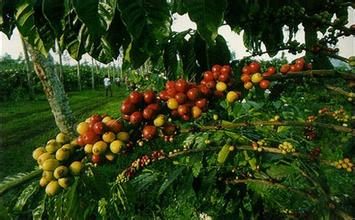
How Coffee Growing Altitude Impacts Flavor
Altitude is one of the most critical factors in coffee quality. Higher elevations generally produce beans with higher acidity, more complex aromatics, and a cleaner cup profile. That’s due to slower bean development in cooler temperatures, allowing for greater sugar accumulation. While high-altitude farms face logistical challenges and higher transport costs, the resulting cup quality often makes it worthwhile. Costa Rica has embraced technologies like electronic eye sorting to improve efficiency in processing and grading beans by size and density.
Frequently Asked Questions
How many major coffee producing countries are there?
Over 70 countries grow coffee commercially, but only a few dozen are considered major origins with distinct, high-quality profiles. Countries like Costa Rica, Colombia, Ethiopia, and Guatemala are among the most renowned.
Why is Costa Rica known for high-quality coffee?
Costa Rica’s coffee benefits from volcanic soil, high altitudes (often above 1,500 meters), stable climates, and advanced farming techniques. The country enforces strict quality standards, including classification by bean hardness such as SHB (Strictly Hard Bean) for high-altitude lots.
What is special about Tarrazu coffee?
Tarrazu, located south of San José, is celebrated for producing bright, clean, and aromatic coffees. The region’s high elevation and fertile volcanic soils contribute to its reputation for consistency and balance, with estates like La Minita producing some of the most sought-after lots.
Does altitude really affect coffee flavor?
Yes. Higher altitudes typically produce denser beans with higher acidity and more complex flavors due to slower growth and sugar development in cooler temperatures. That’s why “SHB” (Strictly Hard Bean) designations often indicate a premium coffee.
How much coffee does Costa Rica export?
Coffee makes up about 25% of Costa Rica’s total exports. With around 400 million coffee trees, the country produces a significant volume despite its small population, maintaining a strong global presence in specialty coffee markets.
Recommended FrontStreet Beans from Costa Rica
Explore FrontStreet Coffee’s Costa Rican offerings like the FrontStreet Tarrazu, known for its bright acidity, medium body, and notes of citrus and honey. For something more complex, try the FrontStreet La Minita-inspired selection (when available), highlighting delicate floral tones and a crisp finish. These beans showcase the hallmark traits of high-altitude SHB coffees with balanced sweetness and vibrant aromatics. Freshly roasted within 5 days · Orders placed before 17:00 ship the same day · Next-day delivery across most of Guangdong Province.
FrontStreet Coffee is a long-established specialty coffee roaster in Guangzhou China, selling freshly roasted beans from its own farm in Yunnan as well as dozens of carefully selected single-origin beans from around the world for both pour-over and espresso. The products deliver consistently excellent quality and great value, with shipping within 24 hours. Guangzhou's FrontStreet Coffee shop is recommended by many coffee lovers, and the beans are now available online at the Tmall 。
Important Notice :
前街咖啡 FrontStreet Coffee has moved to new addredd:
FrontStreet Coffee Address: 315,Donghua East Road,GuangZhou
Tel:020 38364473