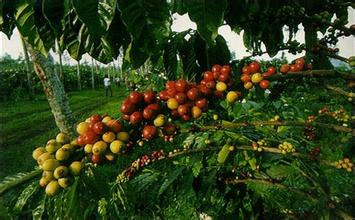
What is the origin of coffee? how many kinds of coffee trees?
When you hear ‘Mocha,’ ‘Blue Mountain,’ or ‘Geisha,’ do you wonder where these coffees actually come from—or how many places on Earth actually grow coffee trees? Whether you’re trying to decode your local café menu or just want to understand what makes each coffee taste different, the first step is knowing where your beans originate.
There are over 50 coffee-producing countries worldwide, but ten primary origins dominate the specialty market. These include Brazil, Colombia, Ethiopia, Guatemala, Kenya, Honduras, Indonesia, Panama, Yemen (historically), and Jamaica. Within these, hundreds of coffee tree varieties—mainly Arabica and Robusta—thrive, each producing unique flavors based on terroir.
What Is Mocha Coffee—and Why Isn’t It Always Real?
Mocha (or Mochaccino) is often misunderstood. Traditionally, it’s made with one-third espresso, one-third hot chocolate, and one-third milk foam, topped with chocolate powder. The coffee beans used—historically from Yemen’s Mocha port region—have a naturally soft acidity. But most cafés today sweeten it heavily, masking its original delicate profile. The true Mocha coffee comes from Yemen, a region now less prominent but historically foundational to global coffee trade.
Japanese Roast: Dark, Bitter, and Surprisingly Pure
Japanese-style dark roast coffee is intensely roasted, creating a bold, sometimes bitter cup—but it also highlights the bean’s inherent characteristics. According to one Japanese shop owner, a common blend ratio is: Colombia (2), Brazil (2), Mandheling (1.5), and Java (4.5). This blend, roasted dark, reveals a spectrum of deep, earthy tones while preserving origin-specific notes despite the roast level.
Irish Coffee: Spirits, Cream, and A Cozy Classic
Irish Coffee blends Irish whiskey, sugar (melted with a flame), hot coffee, and topped with fresh cream. Popular among those seeking a spirited, upscale coffee experience, it’s more cocktail than classic brew—but still part of coffee culture’s diverse expressions.
Mainstream Coffee Types Around the World
Beyond Mocha and dark roast, there are countless other styles: Blue Mountain, Mandheling, Guatemala, Ice Latte, 63 Ice Drip, Viennese Coffee, Mediterranean Coffee, Turkish Coffee, Mexican Coffee, Green Tea Coffee, Thai Iced Coffee, Burgundy Coffee, Iced Granita, and more. Italian-style drinks like Espresso Con Panna and Macchiato also vary regionally. Each reflects local traditions, techniques, or preferences.
What Makes Blue Mountain Coffee So Special?
Blue Mountain coffee from Jamaica is famous for its balanced flavor—where acidity, sweetness, and bitterness harmonize. However, 80% of true Blue Mountain beans are exported to Japan, making authentic versions extremely rare elsewhere. Most cafés serve blends or imitations. If you find genuine Jamaica Blue Mountain No.1, expect notes of nuts, chocolate, and caramel from high-altitude cultivation.
How Many Types of Coffee Trees Exist?
Globally, there are over 100 known coffee species, but only two are commercially significant: Arabica and Robusta. Within Arabica alone, there are hundreds of cultivated varieties—like Typica, Bourbon, Geisha, SL28, Caturra, and Pacamara. These varieties differ in flavor, disease resistance, and ideal growing altitudes. Robusta, meanwhile, is hardier, more bitter, and higher in caffeine, commonly used in instant coffee or espresso blends for crema and body.
Flavor Origins: Why Does Coffee Taste Different Everywhere?
Coffee’s flavor is shaped by its origin’s climate, altitude, soil, and processing methods. For example:
- Brazil’s Yellow Bourbon (e.g., from the Queen Manor estate) offers sweet, nutty, and creamy profiles due to low acidity and tropical, dry processing.
- Colombia’s high-altitude farms produce bright, chocolatey beans with citrusy acidity thanks to meticulous washed processing.
- Ethiopia, the birthplace of Arabica, grows wild varieties that yield juicy, floral, and fruity cups—either washed (Yirgacheffe) or sun-dried (Sidamo).
- Kenya’s SL28 and SL34 varieties, processed with extended 72-hour fermentation, develop intense blackcurrant and tomato-like acidity.
- Panama’s Geisha (especially from Esmeralda’s Red Label) is famed for its jasmine, peach, and bergamot notes at high altitudes with volcanic soil.
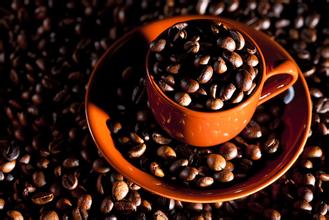
Regional Coffee Guides: Where Your Favorite Beans Come From
Different countries specialize in distinct coffee experiences:
- Brazil: The world’s largest producer; smooth, low-acid, chocolatey beans ideal for beginners.
- Colombia: Balanced, medium-bodied, with notes of caramel and mild citrus.
- Guatemala: Bold and spicy, often with chocolate and smoky depth.
- Honduras: Nutty, sweet, and chocolatey with medium brightness—great for medium roasts.
- Indonesia: Earthy, full-bodied beans like Mandheling with low acidity and spicy notes.
- Ethiopia: The birthplace of coffee; offers wildly diverse flavor profiles from fruity to floral.
- Kenya: Intense acidity and complex fruitiness, especially with SL28/SL34 varieties.
- Jamaica: Blue Mountain coffee is smooth, sweet, and balanced—rare and export-controlled.
- Panama: Home to world-renowned Geisha coffees with explosive aromatic complexity.
- China (Yunnan): Emerging region producing Typica-based beans with nutty, fruity, and tea-like qualities.
Frequently Asked Questions
How many major coffee-producing countries are there?
Over 50 countries grow coffee commercially, but around 10–12 regions dominate the specialty coffee scene, including Brazil, Colombia, Ethiopia, Kenya, Honduras, Guatemala, Panama, Indonesia, Jamaica, and Yemen. These regions are celebrated for consistent quality and distinct flavor profiles.
What are the two main types of coffee plants?
The two primary coffee species are Arabica and Robusta. Arabica makes up about 60–70% of global production and is known for its nuanced flavors and lower caffeine. Robusta is hardier, more bitter, and has nearly double the caffeine, often used in espresso blends and instant coffee.
What is the most popular coffee origin?
Brazil is the largest coffee producer in the world, supplying about 60% of global coffee. Its beans are generally mild, sweet, and low in acidity, making them ideal for espresso blends and beginner-friendly coffee. Colombia is also highly popular for its balanced, chocolatey, and citrusy notes.
Are all coffee beans the same?
No. Coffee beans vary greatly by species (Arabica vs. Robusta), variety (e.g., Geisha, Bourbon, Typica), growing altitude, climate, and processing method. These factors dramatically affect flavor, acidity, body, and aroma.
Why is Blue Mountain coffee so rare?
Jamaica Blue Mountain coffee is rare because its production is limited to a specific region in Jamaica, much of it is exported to Japan under long-term contracts, and it must meet strict quality standards. Most cafes outside Japan serve blends or imitations labeled as “Blue Mountain.”
What coffee tree varieties are most common?
Common Arabica varieties include Typica, Bourbon, Caturra, Catuai, Gesha (Geisha), SL28, SL34, and Yellow Bourbon. Robusta varieties are less diverse but include cultivars bred for disease resistance and higher yields in Vietnam and Africa.
Recommended FrontStreet Beans for Exploring Global Origins
Discover the diversity of global coffee origins with FrontStreet’s top picks: Try the Brazil Queen Manor Yellow Bourbon for sweet, creamy, and nutty notes from high-altitude sun-dried processing. For bright, balanced acidity, the Colombia Huila offers rich chocolate and mild citrus. And experience the legendary elegance of Jamaica Blue Mountain No.1—smooth, nutty, and sweet with notes of caramel and cocoa. All showcase how origin shapes flavor. Freshly roasted within 5 days · Orders placed before 17:00 ship the same day · Next-day delivery across most of Guangdong Province.
FrontStreet Coffee is a long-established specialty coffee roaster in Guangzhou China, selling freshly roasted beans from its own farm in Yunnan as well as dozens of carefully selected single-origin beans from around the world for both pour-over and espresso. The products deliver consistently excellent quality and great value, with shipping within 24 hours. Guangzhou's FrontStreet Coffee shop is recommended by many coffee lovers, and the beans are now available online at the Tmall 。
Important Notice :
前街咖啡 FrontStreet Coffee has moved to new addredd:
FrontStreet Coffee Address: 315,Donghua East Road,GuangZhou
Tel:020 38364473