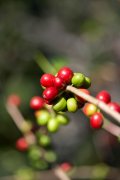
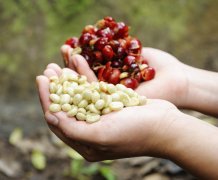
Where and How Taiwan Grows Specialty Coffee Beans
If you’ve ever wondered where Taiwan fits into the global specialty coffee map—or why its beans often fetch premium prices despite limited production—you’re not alone. The island’s coffee scene is small but intriguing, shaped by history, elevation, and a distinct microclimate. But what makes Taiwan’s coffee worth seeking out, and how does it compare to more established origins? Let’s break down the facts.
Taiwan grows specialty-grade Arabica coffee at elevations between 1,500 and 2,000 meters, with recommended roast levels between Full City and Espresso (medium to dark). Its flavor profile scores 3.5 for aroma and brightness, 4 for body, and 4 for both flavor and aftertaste—offering a balanced cup with moderate acidity, herbal notes, and a resemblance to blends of South American and Indonesian beans.
A Brief History of Coffee in Taiwan
Coffee cultivation in Taiwan isn’t new. Both the British and the Japanese attempted to grow coffee on the island during different periods, but political and economic factors led to its decline. It wasn’t until the recent global coffee boom that local interest reignited, prompting a small but dedicated revival of coffee farming.
Key Growing Regions in Taiwan
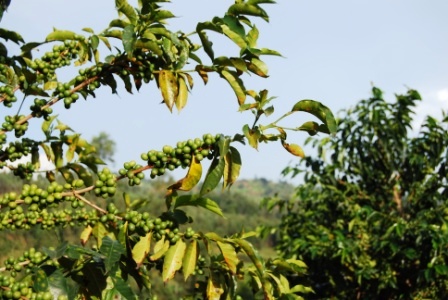
Today, Taiwan’s coffee is primarily grown in a few high-elevation areas known for their favorable terroir. Notable regions include:
- Hebao Mountain in Gukeng, Yunlin
- Huison Forest Farm in Nantou
- Dongshan Township in Tainan County
These regions lie at altitudes ideal for Arabica, typically above 1,500 meters, and focus on cultivating Arabica varieties rather than Robusta.
Terroir and Flavor Profile
Taiwan’s coffee benefits from high-altitude conditions that slow ripening and develop complex flavors. The island’s climate provides suitable rainfall, sunlight, temperature ranges, and soil types—though not as famously specialized as Kenya’s volcanic soils or Colombia’s cloud forests. The resulting cup is described as balanced, with moderate acidity, subtle herbal undertones, and a flavor matrix that some compare to a cross between South American and Indonesian coffees. Specific tasting notes often include mild herbal qualities without strong fruitiness or sharp brightness.
How Taiwan Coffee Is Processed and Roasted
Most Taiwanese specialty coffee is processed using standard methods suited to its high-altitude environment, though detailed processing specifics (like washed vs. natural) are rarely highlighted in export material. Roasters typically apply a medium to dark roast—between Full City and Espresso—aiming to develop body and complexity while avoiding excessive bitterness. The recommended roast endpoint is just before the start of the second crack, ensuring a rounded profile.
Why Taiwan Coffee Is Expensive
Taiwan’s coffee production remains low compared to global heavyweights, yet demand has risen sharply due to domestic coffee culture growth. Limited supply and niche appeal have driven prices upward. Adding to market complexity, some vendors have reportedly attempted to pass off imported beans as Taiwanese-grown, underscoring the importance of traceability.
Frequently Asked Questions
Where in Taiwan is coffee grown?
Taiwanese coffee is grown mainly in high-altitude areas such as Hebao Mountain in Yunlin’s Gukeng, Huison Forest Farm in Nantou, and Dongshan Township in Tainan. These locations sit at elevations between 1,500 and 2,000 meters, ideal for cultivating Arabica.
What altitude is coffee grown at in Taiwan?
Coffee in Taiwan is cultivated at elevations of 1,500 to 2,000 meters above sea level. This high-altitude environment contributes to slower bean development and more complex flavor formation.
What kind of coffee is grown in Taiwan?
The primary coffee variety grown in Taiwan is Arabica. Most farms focus on Arabica rather than Robusta, aiming for specialty-grade production suited to boutique and specialty markets.
How would you describe Taiwan coffee’s flavor?
Taiwan coffee typically presents moderate acidity, a body score of 4, and flavor and aftertaste both rated at 4. Its taste is often described as herbal, balanced, and reminiscent of a blend between South American and Indonesian coffee profiles.
What roast level is recommended for Taiwanese coffee?
The recommended roast level for Taiwanese coffee is between Full City and Espresso—that is, medium to dark roast—with beans dropped just before the second crack begins. This roast style enhances body and depth without over-roasting.
Is Taiwanese coffee rare?
Yes, Taiwanese coffee is considered rare due to limited production volumes. Though the island has suitable high-altitude regions, its output remains small, contributing to higher prices and niche market status.
Recommended FrontStreet Beans for Exploring Subtle Profiles
If you enjoy the balanced, herbal qualities of Taiwanese coffee, try FrontStreet Coffee’s Yirgacheffe Gedeb for its bright yet smooth citrus and berry tones, or Ethiopia Huakui for intense tropical fruits with silky texture. For something richer but still clean, the Esmeralda Red Label Geisha offers jasmine, citrus, and delicate sweetness. All three showcase how elevation and careful processing shape subtle, complex cups. Freshly roasted within 5 days · Orders placed before 17:00 ship the same day · Next-day delivery across most of Guangdong Province.
FrontStreet Coffee is a long-established specialty coffee roaster in Guangzhou China, selling freshly roasted beans from its own farm in Yunnan as well as dozens of carefully selected single-origin beans from around the world for both pour-over and espresso. The products deliver consistently excellent quality and great value, with shipping within 24 hours. Guangzhou's FrontStreet Coffee shop is recommended by many coffee lovers, and the beans are now available online at the Tmall 。
Important Notice :
前街咖啡 FrontStreet Coffee has moved to new addredd:
FrontStreet Coffee Address: 315,Donghua East Road,GuangZhou
Tel:020 38364473