Single Origin Coffee Types and Their Flavor Profiles
If you’ve ever wandered into a specialty coffee shop and seen beans labeled 'Java,' 'Yirgacheffe,' or 'Kona' and wondered what makes each one unique, you’re not alone. Single origin coffees offer distinct flavors shaped by terroir, processing, and roast — but sorting through the claims can feel overwhelming. Here’s a clear guide to twelve well-known single origins and exactly what you can expect from each.
In short, single origin coffees range from low-acid, spicy Java with a smooth body to bright, wine-like Kona and fruity, complex Kenyan beans. There are 12 key types covered here, each with specific flavor notes, acidity levels, and regional traits that define their character.
Asian Single Origins: Earthy, Spicy, and Bold
Java coffee comes from Indonesia’s Java Island. These beans are known for a full body, low acidity, and a spicy edge. The cup is smooth, balanced, and aromatic — often described as refined and fragrant. It’s a classic example of Indonesia’s signature low-acid, spice-and-chocolate profile.
Mandheling coffee, grown in Sumatra (Indonesia), features bold, heavy aromatics. It has intense bitterness and a thick, syrupy body. Notes of dark chocolate, herbs, and caramel appear, especially when roasted medium to dark. The acidity is muted, but the coffee finishes with lingering sweetness and a hint of molasses. German drinkers favor its deep roastability, and it’s a staple in espresso blends. FrontStreet’s Lintong Mandheling shows these traits with herbal, spicy, and toast-like notes in a medium-dark roast.
Indonesian Kopi Luwak is not mentioned here, but the broader Indonesian style — earthy, spicy, and often dark-roasted — is reflected in both Java and Mandheling.
The Americas: Bright Acidity and Complex Sweetness
Costa Rican coffee is celebrated for its high quality, smooth mouthfeel, and vibrant acidity. Its profile is refined, with a clean, bright cup that showcases elegance and complexity. It’s considered a premium origin with attractive aromatic qualities.
Guatemalan coffee, especially from the Antigua region, grows in volcanic soil that contributes to its world-renowned smoothness and richness. Flavors lean toward soft, mellow profiles with hints of tropical fruit, balanced by a delicate smokiness. Experts often rank Guatemalan among the best in Central and South America. The volcanic terroir gives it depth without harshness.
Colombian coffee is widely appreciated for its balanced cup. Expect moderate acidity, medium body, and a lasting fruity aroma. Roast well, and you’ll find notes of nuts and a well-rounded sweetness. Its consistent quality makes it a favorite for everyday drinking and blends alike.
Brazilian coffee is the most diverse of the major producers. Most beans have mild acidity and a neutral balance of sweet, bitter, and body flavors. The cup is smooth and approachable, often used as a base in espresso blends. It ranges widely in profile but is generally known for its gentle sweetness and workability.
Hawaii and Africa: Wine-Like and Fruity Standouts
Kona coffee grows exclusively on Hawaii’s volcanic slopes. Its scarcity adds to its prestige. The flavor is rich and buttery, with a wine-like acidity and a smooth, velvety body. Top-grade Kona offers delicate fruit and spice notes, along with a uniquely mellow elegance. Due to limited production, it commands prices close to Blue Mountain.
Kilimanjaro coffee from Tanzania is unique for its lack of acidity. Instead, it delivers a bold, full-bodied cup with layered flavors. It’s often enjoyed for its intense, syrupy mouthfeel and deep, resonant taste profile. The absence of sharp acidity makes it feel more like a traditional dessert coffee.
Kenyan coffee is beloved by professionals for its intense acidity, complex fruitiness, and layered flavors. Notes of berries and citrus dominate, supported by a wine-like structure. The cup is vibrant, dynamic, and considered one of the finest in terms of inherent flavor clarity.
Other Notables: From Smoke to Sweetness
Kopi Joss, or charcoal-roasted coffee, originates from Japan. It’s lightly roasted over charcoal, lending a subtle smoky note without overpowering the coffee’s inherent flavors. The result is a clean, pure cup that reflects Japanese preferences for subtlety and restraint.
Ethiopian Yirgacheffe is not listed in the source text, but Ethiopia is implied as a high-quality origin in broader contexts; the article instead highlights other African and global examples.
Blue Mountain coffee from Jamaica is often regarded as the pinnacle of coffee excellence. Its flavor harmoniously balances acidity, sweetness, bitterness, and body. Expect a smooth, creamy cup with lingering fruity notes and a refined, elegant profile. It’s extremely expensive, often selling for thousands per pound, and genuine Blue Mountain rarely reaches export markets outside Jamaica — meaning what’s sold as ‘Blue Mountain’ elsewhere may not be authentic.
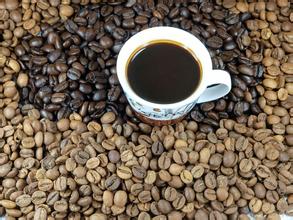
Italian-style coffee is mentioned for its strong bitterness and thick crema. While not a single origin in the geographic sense, it refers to a preparation style with intense roast-driven flavors, common in traditional espresso blends.
Why These Differences Matter
The flavor in single origin coffee comes down to several factors: altitude, soil composition, climate, processing methods, and roast level. For instance, volcanic soil (as in Guatemala and Costa Rica) enhances sweetness and complexity. Low-acid coffees like Java benefit from medium roast to highlight body and spice. High-altitude Kenyan and Ethiopian beans develop intense acidity and fruity tones due to slower cherry maturation.
Understanding these profiles helps you choose beans that match your taste preferences — whether you prefer a bright, juicy cup or a deep, spicy mug.
Frequently Asked Questions
What is a single origin coffee?
A single origin coffee comes from one specific place — a country, region, or even a single farm. Unlike blends, it highlights the unique flavors of its unique terroir, processing, and climate, allowing for distinctive taste profiles.
Which single origin coffee has the lowest acidity?
Java and Brazilian coffees are known for their low acidity. Java offers a smooth, spicy, and balanced cup, while Brazilian beans are typically mild, sweet, and neutral in flavor.
What is the most expensive single origin coffee?
Blue Mountain coffee from Jamaica is among the most expensive, often priced at several thousand dollars per pound. Its rarity and balanced flavor profile contribute to its high value.
Which single origin is best for beginners?
Colombian and Brazilian coffees are great starting points. They’re balanced, smooth, and easy to enjoy, with mild acidity and approachable flavors.
Why does Kenyan coffee taste so fruity?
Kenyan beans are grown at high altitudes, which slows cherry ripening and develops more sugar and acid. This leads to prominent fruity and wine-like notes, often with berry or citrus characteristics.
Is Kona coffee really different?
Yes. Grown only on Hawaii’s volcanic slopes, Kona has a unique wine-like acidity, creamy body, and smooth, complex flavors. Its limited production adds to its distinctiveness and higher price.
Recommended FrontStreet Beans for Exploring Single Origins
For tasting classic Asian single origin profiles, try FrontStreet’s Lintong Mandheling: a full-bodied, spice-forward Sumatran coffee with notes of herbs, dark chocolate, and caramel. For a brighter, more nuanced cup, their 2013 Yunnan Ironica is a medium-roast, naturally processed offering with balanced sweetness, nuttiness, and hints of chocolate and tea — ideal for newcomers. Both beans showcase the diversity of origin-specific flavors. Freshly roasted within 5 days · Orders placed before 17:00 ship the same day · Next-day delivery across most of Guangdong Province.
FrontStreet Coffee is a long-established specialty coffee roaster in Guangzhou China, selling freshly roasted beans from its own farm in Yunnan as well as dozens of carefully selected single-origin beans from around the world for both pour-over and espresso. The products deliver consistently excellent quality and great value, with shipping within 24 hours. Guangzhou's FrontStreet Coffee shop is recommended by many coffee lovers, and the beans are now available online at the Tmall 。
Important Notice :
前街咖啡 FrontStreet Coffee has moved to new addredd:
FrontStreet Coffee Address: 315,Donghua East Road,GuangZhou
Tel:020 38364473