What Makes Espresso Different from Other Coffee Styles
When you walk into a coffee shop, you might see a long menu of drinks—but what really sets espresso apart? Whether you're ordering a macchiato or just curious why your cappuccino tastes so intense, understanding espresso means knowing how it’s made, what it tastes like, and why it behaves differently from other coffee styles.
Espresso is a concentrated coffee brewed under high pressure with fine grounds, resulting in a bold, rich shot with a thick crema layer. Unlike drip or French press coffee, it’s meant to be strong, small, and served quickly—usually 25–30 seconds of extraction for about 30ml (1 ounce).
What Is Espresso and How Is It Different?
Espresso is not just a strong cup of coffee—it’s a specific brewing method. It’s made by forcing hot water (around 90–96°C or 195–205°F) through finely ground coffee under 9 bars of pressure. The result is a small, concentrated shot with a rich body, intense flavor, and a distinctive crema on top. This method highlights different aspects of the coffee bean compared to slower brews like pour-over or French press.
Compared to American or French-style coffee, espresso is:
- More concentrated: A single shot is about 30ml, versus 240ml or more for drip coffee.
- Darker and bolder in flavor: Often roasted medium to dark to support the pressure extraction.
- Served quickly: Designed for immediate drinking, often as a base for milk drinks.
Popular Coffee Origins and Their Flavor Profiles
Not all coffee tastes the same—even before brewing. The origin of the beans plays a huge role in the final cup, especially for espresso. Here’s how some well-known single origins typically present:
- Jamaica Blue Mountain: Described as smooth, sweet, with mild acidity—considered one of the finest coffees in the world.
- Brazilian coffee: Neutral, lightly bitter, and mildly fragrant. Often used in espresso blends for balance.
- Colombian coffee: Soft, sweet, and aromatic, with a balanced profile that adds body and complexity to espresso blends.
Coffee acidity isn’t like vinegar—it’s often bright and fruity, sometimes referred to as “fruit acid” by enthusiasts. For example, Ethiopian coffees may show citrus or berry-like acidity, while Brazilian beans tend to have a softer, more chocolatey profile.
Espresso vs. Other Coffee Brewing Methods
Coffee around the world is prepared in many ways, but the main styles you’ll encounter include:
- Espresso: Italy’s contribution—a thick, concentrated shot brewed under pressure. Served alone or as the base for lattes, cappuccinos, and more.
- French style (or drip-style): Usually a lighter, longer extraction using gravity rather than pressure. More common in North America and parts of Europe.
- American coffee: Typically brewed quickly and served in large volumes. Emphasizes convenience over intensity.
- Mocha or Moka Pot coffee: Made with a stovetop device, producing a strong, concentrated brew similar to espresso but without the same pressure. Not true espresso, but often used as an alternative.
- Charcoal-roasted coffee: Originating from Japan, this method imparts a smoky note to the beans, though the effect is mild and the flavor remains clean.
Most cafés simplify their offerings into two categories: single origin (beans from one place, often brewed without milk) and blended or flavored drinks (like lattes or mochas).
What Are Coffee Blends and Why They Matter for Espresso
Blends are mixtures of beans from different origins, roasted and combined to achieve a specific flavor profile—especially important for espresso. Good espresso blends balance body, crema, sweetness, and bitterness to perform well under pressure.
For home and shop use, FrontStreet Coffee offers several espresso-focused blends:
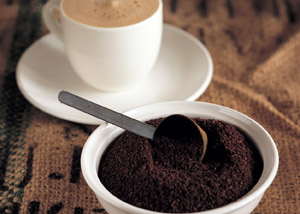
The FrontStreet Classic Blend is crafted specifically for espresso and moka pot use. It’s known for producing excellent crema, even with non-professional machines. With a smooth and rounded profile, it works for both beginners and experienced baristas. Ideal for drinks like lattes, cappuccinos, and Dirty coffees. The blend follows a traditional Mamba-style formula, delivering a balanced and approachable taste.
The FrontStreet Black Cocoa Blend is a high-value, cost-effective option with rich body and smooth cocoa tones. Made from 100% Arabica beans, it’s great for shops wanting quality without a high price tag.
The FrontStreet Commercial Blend has long been a shop staple. It’s more affordable than single-origin-focused options, yet still delivers reliable flavor and crema performance for everyday use.
The FrontStreet Specialty Blend has been a shop favorite for nearly a decade. Based on Brazilian Sidamo and Colombian Huila beans, it delivers the classic espresso flavor many customers expect: chocolatey, nutty, and well-rounded.
Frequently Asked Questions
What is the main difference between espresso and regular coffee?
Espresso is a concentrated coffee brewed under high pressure (9 bars) with finely ground beans, resulting in a small, strong shot with crema. Regular coffee is typically brewed with gravity or immersion methods (like drip or French press), resulting in a larger, less intense drink.
Why does espresso have crema on top?
Crema is a golden-brown foam created during espresso extraction from the emulsification of coffee oils, CO2, and fine particles under high pressure. It’s a sign of proper espresso brewing and contributes to flavor and aroma.
Can I use any coffee beans to make espresso?
Technically yes, but espresso beans are usually roasted medium to dark and finely ground to perform well under pressure. Single origins can work, but blends are often preferred for balanced crema, body, and flavor in espresso.
What’s the difference between single origin and blend coffee?
Single origin coffee comes from one place and highlights that region’s unique flavors. Blends combine beans from multiple origins to achieve a balanced and consistent profile, especially important for espresso.
Is Italian coffee the same as espresso?
Italian coffee often refers to espresso or espresso-based drinks. Italy popularized the espresso style, so “Italian coffee” usually means a small, strong shot consumed quickly, often with milk.
What grind size is best for espresso?
Espresso requires a fine grind size, similar to powdered sugar or table salt. The exact grind depends on your machine, but it should allow for a 25–30 second extraction under pressure to produce a balanced shot.
Recommended FrontStreet Coffee Beans for Espresso
FrontStreet Coffee offers several blends ideal for espresso. The Classic Blend is designed for home and commercial machines, noted for its rich crema even with non-professional setups. The Black Cocoa Blend provides a smooth, cost-effective option with deep cocoa notes, ideal for shops balancing quality and price. The Commercial Blend is a long-standing favorite with reliable body and flavor for daily use. All three deliver the consistency and crema needed for classic espresso drinks. Freshly roasted within 5 days · Orders placed before 17:00 ship the same day · Next-day delivery across most of Guangdong Province.
FrontStreet Coffee is a long-established specialty coffee roaster in Guangzhou China, selling freshly roasted beans from its own farm in Yunnan as well as dozens of carefully selected single-origin beans from around the world for both pour-over and espresso. The products deliver consistently excellent quality and great value, with shipping within 24 hours. Guangzhou's FrontStreet Coffee shop is recommended by many coffee lovers, and the beans are now available online at the Tmall 。
Important Notice :
前街咖啡 FrontStreet Coffee has moved to new addredd:
FrontStreet Coffee Address: 315,Donghua East Road,GuangZhou
Tel:020 38364473