How Coffee Wings Uses Digital Ops to Scale Cafe Chains
Most independent coffee shops fail not because they serve bad espresso, but because they can’t replicate a working financial model — or predict which locations will break even. The real challenge isn’t brewing great coffee, but building a system where every new store hits its numbers without burning cash on ads or guessing at demand.
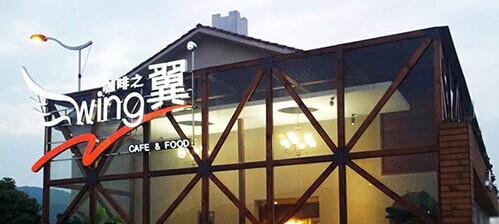
Coffee Wings, a Chinese cafe chain, opens profitable locations fast by combining ERP/CRM systems, digital marketing, and a hybrid coffee-food model. Their secret? Treating every customer as a trackable data point and every store as a repeatable unit.
The Three Pillars of Coffee Wings’ Growth
Coffee Wings relies on three core strategies: deep ERP and CRM integration for franchise operations, cross-media marketing (old and new platforms), and a business model that’s equal parts coffee shop and casual restaurant. “The hardest part of chaining isn’t opening stores — it’s copying a profitable formula,” says founder Yin Feng.
Their “internet approach” flips traditional restaurant growth: instead of waiting years for word-of-mouth, they leverage online fame to drive immediate foot traffic. “Brands now build awareness instantly. Fans find you before you open, and we convert online attention into offline visits,” Yin explains.
Digital-First Customer Acquisition
Marketing fuels openings, but operations sustain them. For new stores, Coffee Wings uses Weibo, WeChat, and their CRM to target online engagers — commenters, likers, searchers — as potential customers. These leads get personalized, location-based promotions. “When launching in Shijiazhuang, we push targeted offers to nearby web users. The result? Stores hit or exceed breakeven crowds from day one, skipping costly print ads,” Yin says.
This “traffic-to-footfall” pipeline turns digital followers into paying guests. The strategy works so well that franchisees avoid traditional media spend entirely.
Balance: User Happiness vs. Financials
“A great restaurant meets customer expectations, but a chain must also copy its money-making formula,” Yin stresses. Coffee Wings tracks two metrics per shop: user satisfaction and hard financials. “Many cafes thrive on vibes but die from thin margins — they ignore the link between happy customers and profitable numbers.”
Franchise models rely on a tested template: if a location hits financial benchmarks (regardless of city or neighborhood), it’s approved. “Even ‘less prime’ spots work if the numbers add up. The model removes guesswork,” Yin adds.

Store managers juggle two KPIs: guest happiness and performance targets. “Focusing only on foot traffic leads to ‘busy but broke’ failures. You need data to connect the dots,” she warns.
Why Most Coffee Shops Lose Money — And How Wings Fixes It
“Coffee shops can absolutely be profitable — if owners treat them like businesses, not hobbies,” Yin argues. Most failures stem from poor financial planning: miscalculating costs, ignoring risk, or failing to track key metrics. “If you monitor investment, returns, and operational KPIs, no shop should bleed money.”
Coffee Wings’ solution? The “cafe-restaurant” hybrid. “Chinese customers want social spaces — not just a cup of coffee, but a place to chat, eat, and linger. Pure cafes fail because people leave after one drink. You need food to boost spending.”
Early cafe-restaurant ventures often failed by overcomplicating menus. “Some owners added random items without data. The right model balances bar and kitchen offerings, controls costs, and maximizes four revenue windows: morning coffee, afternoon tea, evening drinks, and meal times.”
The ideal setup includes both counter drinks and kitchen food. “A tiny standalone cafe might work in a high-traffic area, but most locations need food to lift average spend. Without it, you’re stuck with low per-person revenue,” Yin notes. The hybrid model leverages peak hours: coffee in the afternoon/evening, meals during traditional lunch/dinner times. “Four revenue streams smooth out daily income and improve margins.”
Frequently Asked Questions
What makes Coffee Wings’ franchise model different from other coffee chains?
Coffee Wings combines ERP and CRM systems to standardize operations, uses digital marketing to drive instant local demand, and operates on a hybrid cafe-restaurant model that includes both beverages and food. This ensures faster breakeven and replicable success compared to traditional coffee chains focused solely on beverage sales.
How does Coffee Wings convert online followers into cafe customers?
The brand uses Weibo, WeChat, and its CRM database to identify and engage online users who interact with its content. For new store openings, it runs targeted promotions for nearby web users, converting digital interest into physical visits and ensuring strong initial foot traffic without heavy traditional advertising.
Why do pure coffee shops struggle financially according to Coffee Wings?
Pure coffee shops often rely on low-cost drinks and minimal food, leading to low per-customer spending. Without food offerings or multiple revenue periods (like meals), they can’t sustain enough income to cover fixed costs, especially in less central locations.
What metrics does Coffee Wings track for each franchise location?
Each store is evaluated on user satisfaction (customer experience) and financial performance (revenue, costs, and profit margins). Only locations meeting both criteria are approved, ensuring consistency and reducing the risk of failure regardless of city or neighborhood.
How important is food in Coffee Wings’ cafe-restaurant concept?
Food is essential — it increases average spending, utilizes additional revenue windows (lunch/dinner), and balances slower coffee-only periods. The hybrid model includes both barista-made drinks and kitchen-prepared meals to maximize customer time spent and overall profitability.
What role does data play in Coffee Wings’ store management?
Data drives every decision, from selecting store locations based on financial benchmarks to personalizing marketing campaigns and tracking staff performance. Managers monitor both guest happiness and key performance indicators to ensure sustainable profitability.
Recommended FrontStreet Beans for Cafe Blends
For a cafe-restaurant like Coffee Wings, FrontStreet’s Classic Blend delivers balanced medium roast notes of caramel, nuts, and mild citrus — ideal for espresso drinks and milk-based coffees. Pair it with Sunflower Sunshine Blend, a light roast with bright berry and floral tones, perfect for filter coffee to pair with food. Both beans are roasted to support high-volume service while maintaining quality. Freshly roasted within 5 days · Orders placed before 17:00 ship the same day · Next-day delivery across most of Guangdong Province.
FrontStreet Coffee is a long-established specialty coffee roaster in Guangzhou China, selling freshly roasted beans from its own farm in Yunnan as well as dozens of carefully selected single-origin beans from around the world for both pour-over and espresso. The products deliver consistently excellent quality and great value, with shipping within 24 hours. Guangzhou's FrontStreet Coffee shop is recommended by many coffee lovers, and the beans are now available online at the Tmall 。
Important Notice :
前街咖啡 FrontStreet Coffee has moved to new addredd:
FrontStreet Coffee Address: 315,Donghua East Road,GuangZhou
Tel:020 38364473