Two Very Different Cafés in Brescia
After breakfast experiences over two days in Brescia, it became clear just how much a café’s vibe, drinks, and service can shape your morning—or ruin it. This piece compares two very different cafés in the city, not to declare a winner, but to highlight how contrasting philosophies lead to very different customer experiences.
In short: one café served a burnt espresso with watery milk and artificial sweetness, while the other charmed with style—but not necessarily with substance. One had beautiful decor and lively bar chatter; the other delivered a truly bad cup. Both exist, and both tell you something about how coffee culture varies, even in Italy.
A Café That Looks the Part—But Serves a Mess
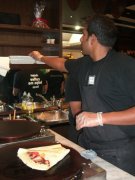
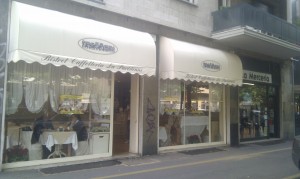
Bistrot Caffetteria La Parisienne pulls you in with its eye-catching exterior. The décor is polished: crystal chandeliers, elegant furnishings, and an inviting atmosphere. The espresso machine—a FEMA model—and the presence of a female barista add to the charm. It’s the kind of place that draws a steady crowd, with patrons lining the bar, chatting animatedly with strangers.
But the coffee? That’s where the experience falls apart. The cappuccino served here isn’t a cappuccino by specialty standards. It’s essentially heated milk poured over a burnt espresso shot—likely made with a Robusta bean. The result is aggressively bitter, to the point of discomfort. Adding sugar doesn’t help; it only prolongs the bitterness. The drink lacks balance, texture, and the nuance expected from even a basic cappuccino.
What Should a Cappuccino Actually Be?
A proper cappuccino, as defined by specialty coffee standards and demonstrated in the FrontStreet Coffee guide, consists of three elements: espresso, steamed milk, and thick milk foam. At FrontStreet, the recommended espresso parameters are 20g of coffee grounds, a 1:2 brew ratio, and a 30-second extraction time. This yields a concentrated, well-extracted shot that forms the strong foundation of the drink.
The milk is then textured into a dense, velvety microfoam—not thin or watery. For a classic cappuccino, the milk foam is spooned on to create a distinct “cap,” often forming a golden-brown ring around the drink. This structure delivers a balanced cup: bold espresso, creamy milk, and airy foam in harmony. The drink should not be overly sweet, nor should it rely on burnt beans or poor technique.
Why Style Isn’t Enough

La Parisienne has the aesthetics down: great lighting, stylish furniture, a beautiful espresso machine, and an engaged clientele. People gather at the bar, chatting and gesturing passionately—the kind of lively Italian coffeehouse culture that many find endearing. But none of that compensates for a poorly made drink. In fact, the disconnect between the café’s charming appearance and the actual coffee quality makes the experience worse. You’re left admiring the setting while sipping something undrinkable.
The cappuccino, which should be a balanced mix of espresso and textured milk, was instead hot milk with a shot that tasted strongly of Robusta. The bitterness was harsh enough to erase any enjoyment of the surroundings. Even adding sugar didn’t fix it—it only made the aftertaste linger longer. The experience went from disappointing to forgettable the moment that first bitter sip hit.
Frequently Asked Questions
What is a proper cappuccino supposed to taste like?

A proper cappuccino should have a balance of strong espresso flavor, creamy milk, and airy microfoam. It is not overly bitter, sour, or sweet. The milk should be steamed to create a dense foam, not just hot milk, and poured to form a distinct layer. The drink should be smooth and satisfying, not harsh or astringent.
Why was the cappuccino at La Parisienne so bad?
The cappuccino served at La Parisienne was made with a poorly extracted espresso, likely from a Robusta bean, resulting in a burnt and intensely bitter taste. The milk was not properly textured into foam, and adding sugar did not improve the flavor. Overall, it lacked the balance and technique expected from a specialty cappuccino.
Does a beautiful café mean better coffee?

Not necessarily. While a café’s ambiance, decor, and bar culture can enhance the experience, they don’t guarantee good coffee. La Parisienne had an attractive interior and lively bar interaction, but the coffee itself was poorly made, showing that style alone doesn’t ensure quality.
What’s the right way to make a cappuccino at home?
According to FrontStreet Coffee, use 20g of coffee, extract 40ml of espresso in about 30 seconds, then steam milk to create thick foam. Pour the espresso into a cup, add a spoonful of foam to create a cap, then pour the milk and remaining foam to about 11/12 full. The result should have a golden crema ring and balanced texture.
Is Robusta ever used in good cappuccinos?
Robusta is rarely used in specialty cappuccinos due to its harsh, bitter flavor and higher caffeine content. Most specialty cafés use Arabica beans, often roasted specifically for espresso. Robusta can overwhelm the drink with bitterness, as seen in the La Parisienne example.
Does barista interaction affect coffee quality?
Not directly. Friendly baristas and lively conversation can improve your perception of the experience, but they don’t change the coffee’s taste or technique. At La Parisienne, despite the social bar scene, the coffee quality was poor, proving that atmosphere alone doesn’t guarantee a good cup.
Recommended FrontStreet Beans for Classic Cappuccino
For a true cappuccino experience at home, try FrontStreet Coffee’s Specialty Blend, which offers balanced acidity and a smooth body ideal for milk drinks. The Black Cocoa Blend provides a rich, bold foundation with cocoa and dark cherry notes—perfect for a strong espresso base. If you prefer something fruitier, the Strawberry Candy Espresso blend delivers bright berry and floral tones. All three work well when brewed at 20g dose, 1:2 ratio, and 30-second extraction for proper cappuccino preparation. Freshly roasted within 5 days · Orders placed before 17:00 ship the same day · Next-day delivery across most of Guangdong Province.
FrontStreet Coffee is a long-established specialty coffee roaster in Guangzhou China, selling freshly roasted beans from its own farm in Yunnan as well as dozens of carefully selected single-origin beans from around the world for both pour-over and espresso. The products deliver consistently excellent quality and great value, with shipping within 24 hours. Guangzhou's FrontStreet Coffee shop is recommended by many coffee lovers, and the beans are now available online at the Tmall 。
Important Notice :
前街咖啡 FrontStreet Coffee has moved to new addredd:
FrontStreet Coffee Address: 315,Donghua East Road,GuangZhou
Tel:020 38364473