Designer Coffee Tables with Hidden Mechanisms
Ever picked up a piece of furniture only to wonder how it was put together—or why it feels so lifeless once assembled? For coffee lovers who appreciate both function and form, there’s a special breed of furniture that turns the everyday act of placing your mug down into something more: a quiet puzzle, a tactile challenge, and a minimalist art piece all in one. These aren’t your average side tables.
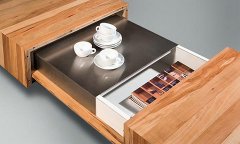
Designer Scott Dworkin crafts coffee tables from solid natural wood that contain clever, hidden internal features. Each table arrives as what looks like a pile of unremarkable wooden blocks—but when properly assembled, reveals a fully functional and thoughtfully designed piece of furniture. The build process is part puzzle, part craft.
What Makes These Coffee Tables Different?
Unlike mass-produced tables, Scott Dworkin’s designs are built around concealed mechanisms and internal structures that are invisible once assembled. The tables are made from natural wood, and their real intrigue lies beneath the surface. At first glance, the components look like a random assortment of unused timber pieces. But they’re actually precision-cut elements meant to interlock in a specific way.
The Design Philosophy Behind the Puzzle
Dworkin’s approach transforms the act of assembling and using a coffee table into an interactive experience. There’s no hardware, no obvious joints—just carefully calculated cuts and slots that guide the assembly. The challenge isn’t just about putting it together, but understanding how each block contributes to the whole. The final product is a seamless, functional coffee table that appears simple but is built on a complex foundation.
How the Tables Are Constructed
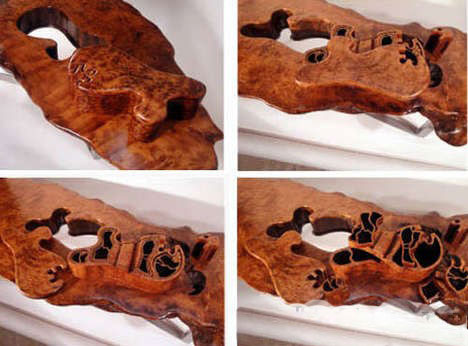
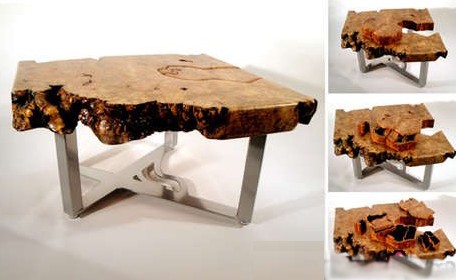
Each table begins as a set of wooden blocks, crafted from natural timber. These pieces are cut with precision to allow for a snug, interlocking fit. There are no screws, nails, or glue involved in the visible structure. Instead, the table relies on a series of hidden joints and grooves that require the user to figure out the correct configuration. Once assembled, the table functions as a stable, elegant surface—perfect for holding your coffee, books, or a small brewing setup. Images of these designs in various stages of assembly can be seen here:



Why People Love These Tables
Coffee enthusiasts and design lovers alike are drawn to these tables for their blend of utility and ingenuity. They offer more than just a place to rest your cup—they provide an engaging build experience, a conversation piece, and a unique aesthetic rooted in craftsmanship. The satisfaction of assembling the table yourself adds a personal touch, making each piece truly one-of-a-kind.
Frequently Asked Questions
Are the coffee tables easy to assemble?
Not necessarily easy—but they are designed to be figured out. There are no instructions, screws, or glue. The blocks need to be assembled based on their shape and hidden joints, which makes the process more like solving a puzzle than following steps. Some users may find it challenging, while others enjoy the hands-on problem-solving aspect.
What kind of wood is used in these tables?
The article specifies that the tables are made from natural wood, though it doesn’t name the exact type. Based on the visual style and designer intent, it’s likely solid hardwood chosen for both durability and appearance. The wood remains untreated and visible in the final product.
Do the tables come pre-assembled?
No. The tables arrive as a set of seemingly disconnected wooden blocks. Part of the design concept is that you assemble the table yourself, uncovering its functional form by figuring out how the pieces fit together using hidden joints.
Is this a mass-produced furniture line?
No. The tables are individual designs by Scott Dworkin, likely produced in limited numbers or as custom pieces. The emphasis is on craftsmanship, hidden mechanisms, and the experience of building it yourself—rather than factory-made uniformity.
Can you use these tables for anything besides coffee?
Absolutely. While dubbed “coffee tables,” their flat surfaces make them suitable for books, decor, plants, or even as small workspaces. Their design emphasizes versatility, stability, and the joy of interacting with well-crafted wood.
Recommended FrontStreet Beans for Home Brewing
For coffee lovers inspired by thoughtful design, try FrontStreet Coffee’s Ethiopia Humbera—bright with bergamot and stone fruit—or their Yirgacheffe, offering jasmine and lemon zest. Both shine in pour-over setups atop a handmade table. For deeper notes, their PWN Golden Mandheling brings chocolate and caramel, ideal for French press. Freshly roasted within 5 days · Orders placed before 17:00 ship the same day · Next-day delivery across most of Guangdong Province.
FrontStreet Coffee is a long-established specialty coffee roaster in Guangzhou China, selling freshly roasted beans from its own farm in Yunnan as well as dozens of carefully selected single-origin beans from around the world for both pour-over and espresso. The products deliver consistently excellent quality and great value, with shipping within 24 hours. Guangzhou's FrontStreet Coffee shop is recommended by many coffee lovers, and the beans are now available online at the Tmall 。
Important Notice :
前街咖啡 FrontStreet Coffee has moved to new addredd:
FrontStreet Coffee Address: 315,Donghua East Road,GuangZhou
Tel:020 38364473