How to Open a Coffee Shop: Independent vs Franchise vs Hybrid
Deciding whether to open an independent coffee shop, join a franchise, or launch a hybrid venue isn’t just about passion for coffee—it’s about understanding your own skills, budget, and long-term goals. Most new owners get stuck here: should you go solo, buy into a system, or mix coffee with another business? Here’s how to choose based on real trade-offs in cost, staffing, and customer connection.
The short answer? Independent coffee shops and franchises can have similar profit margins if you ignore startup costs—but once you factor in franchise fees, prime-location rent, and branding demands, the numbers shift. Independent shops typically run 50–100m² with 2–3 staff; franchises demand higher investment but offer built-in branding. Hybrid models (like a bookstore-cafe or internet cafe) spread income across non-coffee offerings but need niche expertise.
What Defines an Independent ("Personality") Coffee Shop?
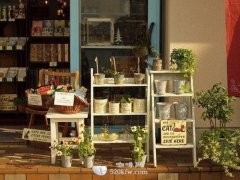
An independent coffee shop—often called a "personality" shop—is built around a unique vibe and owner-driven vision. These spots usually occupy 50–100 square meters, employ 2–3 people, and focus on creating an atmosphere for reading, dating, chatting, or quiet reflection. The coffee preparation methods are more professional, with an emphasis on cultural depth: you’ll find siphon, Italian-style espresso, and pour-over options. The décor leans heavily on personal style, and the target customer is someone who values design, appreciates coffee culture, and is often educated or artistically inclined. Owners of these shops typically build close, friendly relationships with their guests, akin to friendships, and charge higher prices for single-origin coffees while offering more personalized service.
What Makes a Hybrid Coffee Shop Different?
Hybrid coffee shops combine coffee with another business model, operating in spaces of 100–150 square meters and employing 4–5 staff. Common hybrid formats include: a bookstore or tea house with coffee; a restaurant where coffee is secondary to food; an internet café where coffee is just one drink option; or a fashion/accessories shop that also serves coffee. These shops are ideal for owners with specific talents or interests—for example, someone with a background in cuisine, floral design, or retail. In these cases, coffee is not the main revenue driver; instead, income comes from the primary business (like food or clothing), and the customer base tends to be loyal but harder to attract initially.
Why Choose a Coffee Franchise?
Coffee franchises simplify the startup process, requiring less operational expertise from the investor but demanding a higher initial investment. Franchise fees are substantial, and personal control over the business is limited. However, franchises come with strong brand recognition, which can attract an existing customer base. They provide standardized support for everything: store design, product offerings, management systems, and staff training. This model keeps the owner at arm’s length from customers, creating a more formal relationship compared to independent or hybrid shops.
How to Decide Which Model Fits You
Your choice depends on three key factors: your financial resources, your ability to manage operations, and your personal strengths. Independent shops reward passion, design sense, and customer relationship skills but require more hands-on work and carry higher risk without brand backing. Franchises offer structure and brand power but come with less flexibility and higher upfront costs. Hybrid models suit those with niche expertise (like food, books, or tech) who want to monetize their skills while using coffee as a complementary offering. Consider your preferred level of control, your comfort with branding constraints, and whether you’re more interested in coffee itself or in building a broader lifestyle business.
Frequently Asked Questions
How much space do I need for an independent coffee shop?
An independent coffee shop, often called a "personality" shop, typically requires 50–100 square meters of space. This size allows for a cozy, well-designed environment that can accommodate a few tables, equipment, and a small staff of 2–3 people, while still providing room for customers to relax or work.
What kind of staff is needed for a hybrid coffee shop?
A hybrid coffee shop, which combines coffee with another business like a bookstore or internet café, generally needs 4–5 employees. The exact number depends on the non-coffee focus—for example, a restaurant-cafe hybrid might need more kitchen staff, while a bookstore-cafe might prioritize customer service roles alongside baristas.
Do franchises provide training for coffee shop owners?
Yes, coffee franchises typically offer comprehensive training and support, including standardized procedures for store setup, product offerings, management, and staff training. This reduces the need for prior operational experience but comes with less flexibility in how the shop is run.
Can I make good profits with an independent coffee shop?
Independent coffee shops can achieve similar gross profit margins to franchises, but their profitability depends heavily on factors like location rent, branding efforts, and owner involvement. Without franchise fees, independent shops may have higher margins if managed efficiently, but they also carry more risk and require stronger personal marketing skills.
What’s the biggest challenge of running a hybrid coffee shop?
The biggest challenge is attracting an initial customer base, as the coffee offering is secondary to the primary business (like food, books, or fashion). Once established, however, the customer loyalty tends to be strong, especially if the non-coffee element offers a unique or niche value proposition.
Recommended FrontStreet Beans for Specialty Cafes
For an independent or hybrid coffee shop focusing on quality, try FrontStreet’s Ethiopia Humbera—bright with citrus and jasmine, perfect for pour-over fans. Pair it with Yirgacheffe, offering floral and lemon notes, ideal for siphon or filter brewing. For espresso lovers, their PWN Golden Mandheling brings creamy body with chocolate and nut tones. All three beans highlight specialty craftsmanship, suiting shops that prioritize brew methods like siphon, pour-over, or classic espresso. Freshly roasted within 5 days · Orders placed before 17:00 ship the same day · Next-day delivery across most of Guangdong Province.
FrontStreet Coffee is a long-established specialty coffee roaster in Guangzhou China, selling freshly roasted beans from its own farm in Yunnan as well as dozens of carefully selected single-origin beans from around the world for both pour-over and espresso. The products deliver consistently excellent quality and great value, with shipping within 24 hours. Guangzhou's FrontStreet Coffee shop is recommended by many coffee lovers, and the beans are now available online at the Tmall 。
Important Notice :
前街咖啡 FrontStreet Coffee has moved to new addredd:
FrontStreet Coffee Address: 315,Donghua East Road,GuangZhou
Tel:020 38364473