How the Rotary Filter Press Coffee Cup Works
If you’ve ever wished your coffee routine could start with less hassle and end with more flavor, you’re not alone. Many coffee drinkers get fed up with bulky brewers, messy filters, or brewing methods that waste precious coffee essence at the bottom of the pot. What if there were a way to brew a clean, full-flavored cup with almost no tools—and drink it right away?
In short: the rotary filter press coffee cup uses a two-cup system—one with a built-in filter and one as an outer chamber. You pour in medium-fine or fine coffee grounds, press the two cups together, rotate them, and you're done. No extra accessories. No extra steps. Just clean coffee in the inner cup and insulation from the outer one.
What Is a Rotary Filter Press Coffee Cup?
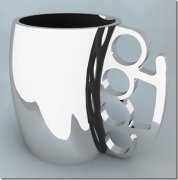
The rotary filter press coffee cup is a minimalist, two-part brewing device that looks like a regular travel mug—but does far more. It consists of an inner cup with a built-in filter and an outer insulated cup. You combine both cups, add coffee and water, then perform just two mechanical actions: press down and twist. That’s it. No paper filters. No separate pour-over setup. No need to pour brewed coffee into another vessel. The result is a clean, flavorful brew ready to drink instantly—with the outer cup keeping it hot.
Why Fine Grind Works Without Clogging or Sediment
Here’s where it gets technical. Most single-serving brewers struggle with fine coffee grinds—they either clog or let gritty sediment into your cup. But the rotary press has a built-in solution. The inner cup doesn’t just filter your brew—it also acts as a pre-filter that screens out overly fine coffee particles before extraction even begins. These micro-fines are among the biggest enemies of clean coffee flavor, often causing the unpleasant grittiness you taste in poorly filtered brews. By removing them upfront, the cup ensures a smoother extraction. Once the usable coffee grounds are in place, you pour water over them, and because you're using finer grinds, extraction happens faster. The shorter brew time also helps maintain a stable water temperature, improving consistency. Finally, twisting the two cups together applies gentle pressure, extracting more soluble material from the coffee puck—boosting body and aroma without pushing through unwanted solids.
How It Compares to French Press and AeroPress
Let’s be clear: neither the classic French press nor even the enhanced AeroPress can match this design’s simplicity and filtration precision—without adding extra steps or gear.
French Press
The traditional French press uses a relatively coarse mesh filter, which often lets coffee fines through—resulting in that familiar sludge at the bottom of your cup. Brew time is long, water temperature tends to drop, and there’s no built-in pre-screening for fine particles. Some versions let you press and drink directly, but you still need a separate cup. Even then, the unpressed coffee grounds at the base go to waste, taking valuable flavor compounds with them.
AeroPress
The AeroPress, especially in its ‘enhanced’ filter-paper setup, does a better job filtering out fines and allows for higher pressure during extraction. It produces a cleaner, stronger brew than a French press—but it requires paper filters, careful assembly, and several pieces that don’t store together neatly. It’s effective but fiddly compared to the rotary system’s two-part simplicity.
How to Use the Rotary Filter Press Coffee Cup
Using the rotary filter press couldn’t be simpler. Here’s the step-by-step:
- Start with medium-fine or fine coffee grounds—finer than typical pour-over, but not espresso-fine.
- Combine the inner (filtered) cup and outer (insulated) cup.
- Add your ground coffee to the inner cup.
- Pour hot water (ideally around 93°C / 200°F) over the grounds at your desired brew ratio—exact numbers depend on taste, but 1:15 to 1:17 is common.
- Let it steep briefly—there’s no fixed time, but aim for around 30 to 60 seconds depending on grind and dose.
- Press the two cups down firmly, then rotate them. This action filters the coffee and compresses the coffee puck to enhance extraction.
- Remove the inner cup if needed, or drink directly from the unit. The outer cup helps retain heat.
- The compacted coffee puck remains at the bottom of the inner cup but doesn’t affect the flavor of what you’ve already brewed.
Frequently Asked Questions
Can I really use fine coffee grounds without getting sludge in my cup?
Yes. The inner cup of the rotary filter press has a built-in filter that pre-screens out overly fine coffee particles before brewing starts. This stops grit from entering your cup, even when using fine or medium-fine grinds. The final filtration ensures a clean, grit-free brew.
How is this better than using a standard French press?
Unlike a French press, which often lets fine coffee particles through its metal mesh and leaves unpressed grounds at the bottom, the rotary press filters out those problematic fines before brewing. It also uses a shorter immersion time, maintains better water temperature, and presses the coffee puck to boost extraction—all without leaving unused coffee behind.
Does it work as well as an AeroPress?
It depends on what you value. The AeroPress gives you strong, clean coffee with the help of paper filters and pressure. But it requires more parts, more steps, and paper filters. The rotary press gives you a similarly clean cup with fewer parts, no paper, and a simple press-twist motion. It’s easier to use on the go and doesn’t waste any coffee.
Is the coffee hotter for longer compared to other methods?
Yes. The outer cup of the rotary filter press works like an insulated travel mug, keeping your brewed coffee hot for longer periods—just like a standard insulated cup would. Since you drink directly from the unit, there’s no extra transfer step that cools the coffee down.
Do I need special filters or accessories?
No. The entire brewing system is contained within the two cups. There are no paper filters, no mesh baskets, no extra tumblers or lids required. Everything you need is built in.
Can I use it for tea as well?
Yes. The design works just as well for loose leaf tea. Simply replace the coffee grounds with your favorite tea leaves, adjust water temperature and steep time accordingly, and use the same press-twist method.
Recommended FrontStreet Coffee for Rotary Brewing
For the rotary filter press, try FrontStreet Coffee’s Ethiopia Humbera—a bright Ethiopian single origin with notes of blueberry, jasmine, and citrus, which shines through fine-immersion brewing. Also excellent is the Yirgacheffe, offering floral aromas, lemony acidity, and a juicy body. For something deeper, the PWN Golden Mandheling delivers a syrupy mouthfeel with notes of dark chocolate and brown sugar. All three handle fine to medium-fine grinds well and develop complexity under gentle pressure. Freshly roasted within 5 days · Orders placed before 17:00 ship the same day · Next-day delivery across most of Guangdong Province.
FrontStreet Coffee is a long-established specialty coffee roaster in Guangzhou China, selling freshly roasted beans from its own farm in Yunnan as well as dozens of carefully selected single-origin beans from around the world for both pour-over and espresso. The products deliver consistently excellent quality and great value, with shipping within 24 hours. Guangzhou's FrontStreet Coffee shop is recommended by many coffee lovers, and the beans are now available online at the Tmall 。
Important Notice :
前街咖啡 FrontStreet Coffee has moved to new addredd:
FrontStreet Coffee Address: 315,Donghua East Road,GuangZhou
Tel:020 38364473