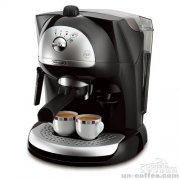
How to Maintain Your Coffee Machine: Key Cleaning Tips
If your espresso shots are slow, your milk frother isn’t steaming well, or your machine just isn’t pulling like it used to, the issue may not be the beans — it could be a dirty machine. Over time, mineral deposits, old coffee oils, and trapped grounds build up inside your machine, leading to poor performance or even permanent damage. But with regular care, you can keep everything running smoothly.
To maintain your coffee machine properly, aim to descale it based on usage frequency (usually every 1–3 months), clean coffee oils from the grinder monthly, and flush out coffee and milk residues after every use. These three steps tackle the most common causes of machine failure and poor extraction.
What Is Scale and Why Does It Clog Your Machine?
Scale refers to mineral deposits — mostly calcium and magnesium — that build up inside your coffee machine over time. These come from the water you use to brew. As water passes through the boiler, group head, and internal pipes, minerals gradually solidify. Left unchecked, scale restricts water flow, reduces brewing pressure, and can fully block pipes. In severe cases, it can cause your machine to stop working altogether.
How to Descale Your Coffee Machine Effectively
The frequency of descaling depends on how often you use your machine and the hardness of your local water. As a general rule, descale every 1–3 months for regular home use. Commercial machines in hard-water areas may need it as often as every few weeks. Always follow your machine’s instructions for descaling, and use a descaler formulated for coffee equipment. This removes built-up minerals and helps maintain consistent pressure and temperature during extraction.
Coffee Oils: The Hidden Cause of Grinder and Brew Issues
Every time you grind coffee, the beans release natural oils. These oils build up on the burrs, burr chamber, and internal parts of your grinder. Over time, they cause the burrs to slip or grind unevenly, which affects shot quality. If your grinder struggles to turn, produces inconsistent grinds, or your shots run too fast or slow without obvious reason, old oil may be the culprit. If you can’t remove the burr set yourself, take the machine to a professional for a deep clean. For most home users, wiping down accessible parts and cleaning the burrs monthly helps maintain performance.
Flushing Residues: Coffee Grounds and Milk Buildup
Modern coffee machines often have an auto-clean function, but it’s not always enough. After each use, especially if you pull espresso shots and steam milk, you should follow the manufacturer’s cleaning procedure to flush out coffee grounds and milk residues. Milk proteins and sugars stick to tubes and the steam wand, leading to bacterial growth and blockages. Coffee puck residue left in the portafilter, group head, or drain can also affect taste and function. If automatic cleaning doesn’t fully clear the system, manually rinse or re-clean problem areas until no visible residue remains.
Frequently Asked Questions
How often should I descale my home coffee machine?
Descaling is recommended every 1–3 months for regular home use, depending on how often you brew and your local water hardness. In areas with very hard water or for heavy daily use, you may need to descale more frequently — some commercial environments descale weekly or biweekly.
What happens if I don’t clean coffee oils from my grinder?
If coffee oils aren’t cleaned regularly, they build up on the burrs and internal parts of the grinder. This causes the burrs to slip, grind inconsistently, or become difficult to turn. Over time, it leads to poor extraction, uneven shots, and can affect the flavor of your coffee. Monthly cleaning or professional servicing is advised.
Can milk residue damage my espresso machine?
Yes. Milk proteins and sugars stick to the steam wand, milk system hoses, and internal passages. If not cleaned thoroughly after each use, they cause clogs, bacterial growth, and can spoil the taste of milk drinks. Always flush and clean the steam wand and milk system right after use.
Is auto-clean enough to keep my machine in good shape?
Auto-clean functions help, but they often don’t remove all coffee grounds or milk residues. For best results, follow up with manual cleaning where needed — especially around the group head, portafilter, steam wand, and milk system. Regular flushing and occasional deep cleaning ensure long-term performance.
What’s the biggest mistake people make with machine maintenance?
The biggest mistake is neglecting regular cleaning — especially descaling and oil removal. Many users only address problems once shots slow down or flavors decline, but by then, scale or oil buildup may already be causing permanent damage. A little routine maintenance prevents major repairs later.
Recommended FrontStreet Coffee Beans for Home Brewing
For the best results from a well-maintained machine, try FrontStreet Coffee’s Ethiopia Humbera — bright with citrus and floral notes — or Yirgacheffe, offering juicy berry and stone fruit. Both single origins shine when brewed through a clean espresso or pour-over setup. For something deeper, their PWN Golden Mandheling delivers a syrupy body with chocolate and nut tones. Freshly roasted within 5 days · Orders placed before 17:00 ship the same day · Next-day delivery across most of Guangdong Province.
FrontStreet Coffee is a long-established specialty coffee roaster in Guangzhou China, selling freshly roasted beans from its own farm in Yunnan as well as dozens of carefully selected single-origin beans from around the world for both pour-over and espresso. The products deliver consistently excellent quality and great value, with shipping within 24 hours. Guangzhou's FrontStreet Coffee shop is recommended by many coffee lovers, and the beans are now available online at the Tmall 。
Important Notice :
前街咖啡 FrontStreet Coffee has moved to new addredd:
FrontStreet Coffee Address: 315,Donghua East Road,GuangZhou
Tel:020 38364473