
Coffee Farm
Latest articles, industry insights and brewing guides
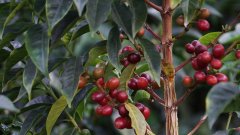
Guatemala La Linda Estate Bourbon Caturra High-Altitude Coffee
Learn how Guatemala’s high-altitude La Linda Estate produces nuanced Bourbon and Caturra coffees with volcanic soil and cool climate influence.
Cupido Estate SHB Coffee from Panama’s Baru Volcano
This SHB Panama coffee from Cupido Estate near Baru Volcano features honey and washed processes, offering notes of white grape, caramel, and honey.
Guji Sidamo Lion King: Ethiopia's Natural Process Heirloom Coffee
This Guji-region Ethiopian coffee, processed naturally at 1800–2000m, offers jasmine, citrus, and ripe berry notes with 17–18 mesh screen size.
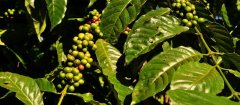
Papua New Guinea Washed Coffee: Chilmil Estate Peaberry
Chilmil Estate in PNG’s Western Highlands produces bright, fruity washed coffee with diverse varieties. This peaberry lot comes from a farmer-owned cooperative.
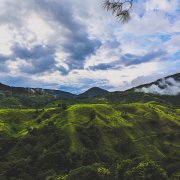
Indonesia’s Yellow Mandheling: Sourced from Gayo Highlands
Explore the origin and profile of Indonesia’s G1-grade Mandheling coffee from the Gayo highlands, processed via traditional wet hulling.
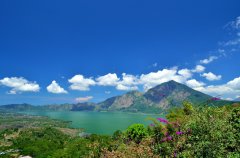
Indonesia's Kintamani Volcano Single Origin Coffee
Discover how Rodney and partners elevated Bali’s Kintamani coffee with experimental processing, achieving exceptional quality rivaling Central American beans.
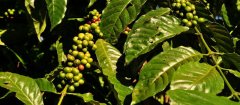
South African Coffee Beans: Mild Acidity, Central America-like Flavor
South African coffee has aromatic, mild acidity resembling Central American beans. Grown in the northeast, it blooms thanks to Kenyan-origin trees.
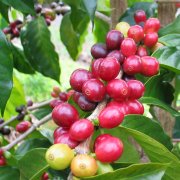
Saint Helena Coffee: What Napoleon Thought Was the Best
Napoleon praised Saint Helena Island’s coffee as the island’s finest export. Learn why this rare single-origin has a legendary reputation.
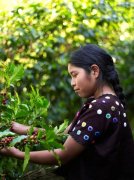
What Makes Rwandan Coffee Unique in Africa?
Explore why Rwandan washed Arabica beans deliver such refined, vibrant flavors—learn how climate, processing, and elevation shape its signature taste.
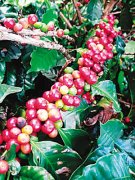
Where Is Robusta Coffee Grown Around the World?
Madagascar is one of the few major producers of robusta coffee, with plans to expand arabica cultivation. Discover key regions growing robusta beans.
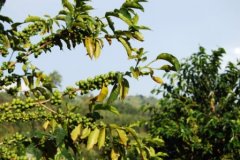
What Makes Kenyan Coffee So Flavorful?
Kenyan coffee stands out for its vibrant acidity and fruity complexity, grown at high altitudes and processed with precision.

How Ethiopia Sun-Dried Coffee Is Processed
Explore how Ethiopian coffee is processed using the traditional sun-dried (natural) method, a technique that shapes its iconic bright, fruity flavors.

What Makes Ethiopian Coffee Unique? Specialty Bean Guide
Explore Ethiopia’s diverse highland coffee origins, from Yirgacheffe’s citrus brightness to Harrar’s wild berry notes. Learn why these beans rarely suit dark roasts.

Colombian Coffee Flavors: Berry, Honey, Vanilla, Juicy Sweetness
Discover why Colombian coffee delivers bright berry, honey, vanilla, and juicy sweetness—plus production facts, flavor profiles, and top-growing regions.
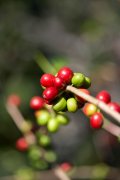
Zimbabwe Coffee Beans: High-Quality Arabica for Coffee Lovers
Zimbabwe produces premium Arabica coffee with fruity notes and smooth body, rivaling Kenya AA. Learn where it comes from and why it stands out.

Colombian Coffee Origins and Brewing Methods Explained
Learn where Colombia’s specialty coffee comes from, how it’s grown, graded, and traditionally brewed for a smooth, balanced cup.

What Makes Colombian Coffee Unique?
Colombia produces 13 million 60kg bags yearly—second only to Brazil. Its washed arabica is famed for balanced, smooth flavor with bright acidity.
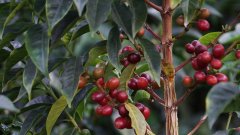
Zaire's Historic Arabic Coffee Beans: Quality and Decline
Northeastern Zaire (now DR Congo) once produced top-tier Typica and giant coffee beans, though quality has declined over time.
Zambian Specialty Coffee: Lighter than Kenya, Great for Afternoon Cups
Zambian coffee offers a lighter, gentler cup than Kenyan beans but shares similar fruit-forward complexity. Grown in regions like Kasama and Nakonde.
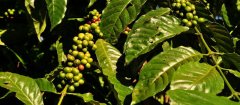
Uganda’s Specialty Arabica Coffee: Where It Grows & What Makes It Stand Out
Uganda produces just 10% Arabica, mostly from Elgon, Bugisu, and Rwenzori regions. Harvested Jan–Feb, it’s prized for high elevations and unique profiles.