
Coffee Farm
Latest articles, industry insights and brewing guides

What Is Kopi Luwak Coffee and How Much Does It Cost?
Kopi Luwak, or civet coffee, costs up to $50 per cup. Learn how it’s made, why it’s controversial, and what real cat poop coffee really tastes like.
What Is Kopi Luwak Coffee and Why Is It Controversial?
Learn the origins, ethics, and flawed production behind civet coffee, along with why most ‘Kopi Luwak’ sold today is fake.

Ethiopian Coffee Regions Known for Fruity Beans
Explore Ethiopia’s famous coffee-growing regions like Yirgacheffe and Sidamo, known for their high-altitude, fruit-forward specialty beans.
Civet Coffee: Prices, Myths, and What Really Matters
Learn the truth behind kopi luwak—its origins, ethical issues, flavor claims, and why 85% of what’s sold is fake.
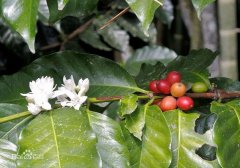
What Specialty Coffee Beans Come from Côte d'Ivoire?
Côte d'Ivoire is the world’s top Robusta producer, mainly growing medium-sized beans in the south. Here’s what you need to know.
Single Origin Coffee Types and Their Flavor Profiles
Discover the distinct characteristics of 14 single origin coffee types, from Jamaican Blue Mountain to Kenyan AA, and their typical price ranges.
What Makes Ethiopian Sidamo Coffee Unique?
Explore Ethiopia Sidamo coffee’s diverse flavors, altitude range, and wild natural profiles. Learn why this region produces such complex single origins.
Why Kopi Luwak Coffee Costs So Much — And Isn’t Worth It
Kopi Luwak, or civet coffee, costs $200–$400 per kg — but most isn’t wild or rare. Here’s the truth behind its price and flavor.
How Kopi Luwak Coffee Is Made and Why It’s So Expensive
Learn how civet coffee is produced, why it costs up to $200 per cup, and whether it’s worth the luxury price tag.
What Is Kopi Luwak Coffee and Why Is It So Expensive?
Learn how civet coffee is made, why it costs hundreds per cup, and what makes its flavor uniquely polarizing among coffee experts.
What Is Kopi Luwak Coffee and Why Is It So Expensive?
Learn what makes kopi luwak coffee unique, how it’s made, why most on the market are fake, and how much it really costs per pound.
What Makes Colombian Coffee Special? Supermo, Narino & Export Insights
Colombian coffee, especially Supermo and Narino grades, offers balanced flavor with soft acidity. Find out where it comes from, how it’s graded, and why Starbucks sources it.
What Makes Colombian Coffee Unique? Taste, Grade & Origin
Colombian coffee is known for its smooth, balanced profile with bright acidity and medium body. Learn why it’s called 'green gold' and what sets it apart.
What Are the Key Characteristics of Popular Coffee Beans?
Explore the flavor profiles of 7 major coffee origins including Mandheling, Colombian Supremo, and Kenyan AA, with tasting notes and roast traits.
Kopi Luwak: What It Is, How It’s Made, and What It Costs
Discover what makes Kopi Luwak unique, how it’s produced, brewing details, and how much a cup really costs. Plus: the controversies and flavor debate.
What Makes Colombian Coffee Unique?
Colombian coffee is celebrated for its sweet aroma, balanced acidity, and smooth body—traits shaped by high-altitude growing and careful processing.
What Makes Colombian Coffee Unique? Taste & Profile Explained
Colombian coffee is known for its balanced, sweet, and smooth profile—often used in premium blends. Learn what gives it that distinctive flavor.
Kenya Coffee Characteristics and Varieties Explained
Explore the bright fruitiness, high acidity, and unique flavor profile of Kenyan coffee, grown at 1500–2100m altitude with two annual harvests.
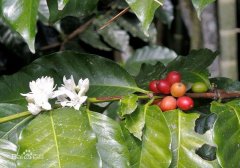
What Is Cuban Crystal Mountain Coffee Cubita?
Cuban Crystal Mountain Coffee, known as Cubita, is a top-tier Cuban bean grown near Jamaica’s Blue Mountains with similar balanced flavors.

How Coffee Beans Differ by Country of Origin
Learn how regional growing conditions shape the flavor of coffee beans from Africa, Indonesia, and the Americas.