
Coffee Farm
Latest articles, industry insights and brewing guides

What Makes Papua New Guinea Coffee Special?
Learn why PNG coffee is prized for its high-altitude quality, organic growth, and balanced fruit-and-nut flavors — plus how quality recovered after 1990s declines.

How Yemeni Mocha Coffee Beans Are Traditionally Processed
Learn how Yemen’s historic Mocha coffee beans are grown, harvested, and processed—including unique drying and milling methods that shape their flavor.

Where Yemen’s Historic Mocha Coffee Beans Are Grown
Explore the origins of Yemen’s historic Mocha coffee—small, irregular beans with bright acidity, spice, and hints of chocolate grown in rugged highland terraces.

What Makes Yemeni Mocha Coffee Beans Unique
Explore the distinctive traits of Yemen’s Mocha coffee, from its small, round beans to its spicy-chocolatey profile and historic roots.

Tanzania Coffee Origin and Brewing Guide
Discover the smooth, aromatic Tanzania Chagga AA coffee, grown near Kilimanjaro, with notes of citrus, nuts, and honey. Learn its origins and brewing tips.

What Makes Tanzanian Coffee Special?
Tanzanian coffee offers bright acidity, floral notes, and sweet complexity—especially from the high-altitude Chagga AA near Kilimanjaro.

What Makes Rwandan Coffee Taste Like Red Apple and Honey?
Discover the clean, fruity, and floral profile of Rwandan coffee, especially the bright red apple, cherry, cinnamon, and honey notes of high-grown Bourbon varietals.

How Rwanda Washed Coffee Is Processed on Raised Beds
Learn how Rwanda’s washed coffee is processed using raised beds for sun drying—key steps, profiles, and what makes Karnogi a CoE winner.

Rwandan Coffee Farms and Their Distinctive Bourbon Flavor
Discover how Rwanda’s high-altitude, volcanic soil, and cooperative farming produce clean, sweet washed Bourbon coffees with citrus and floral notes.
Where Rwandan Coffee Comes From and How It’s Processed
Explore Rwanda’s coffee origins, how its beans are grown, harvested, processed, and graded—plus the unique auction system driving global quality.
What Makes Rwandan Coffee Unique in Specialty?
Explore Rwandan coffee’s fruit-forward profile, high-altitude terroir, and key washed processing traits shaping its global reputation.

Kenyan Coffee Flavor Profile: Blackcurrant, Cranberry, and Floral Notes
Kenyan coffee is prized for its vibrant acidity, complex fruitiness, and floral aromas. Learn why it’s a favorite among specialty roasters worldwide.

Kenya Coffee Washed Processing Method Explained
Learn how Kenya’s iconic washed coffee is processed—SL28, SL34, double fermentation, and auctions explained in detail.
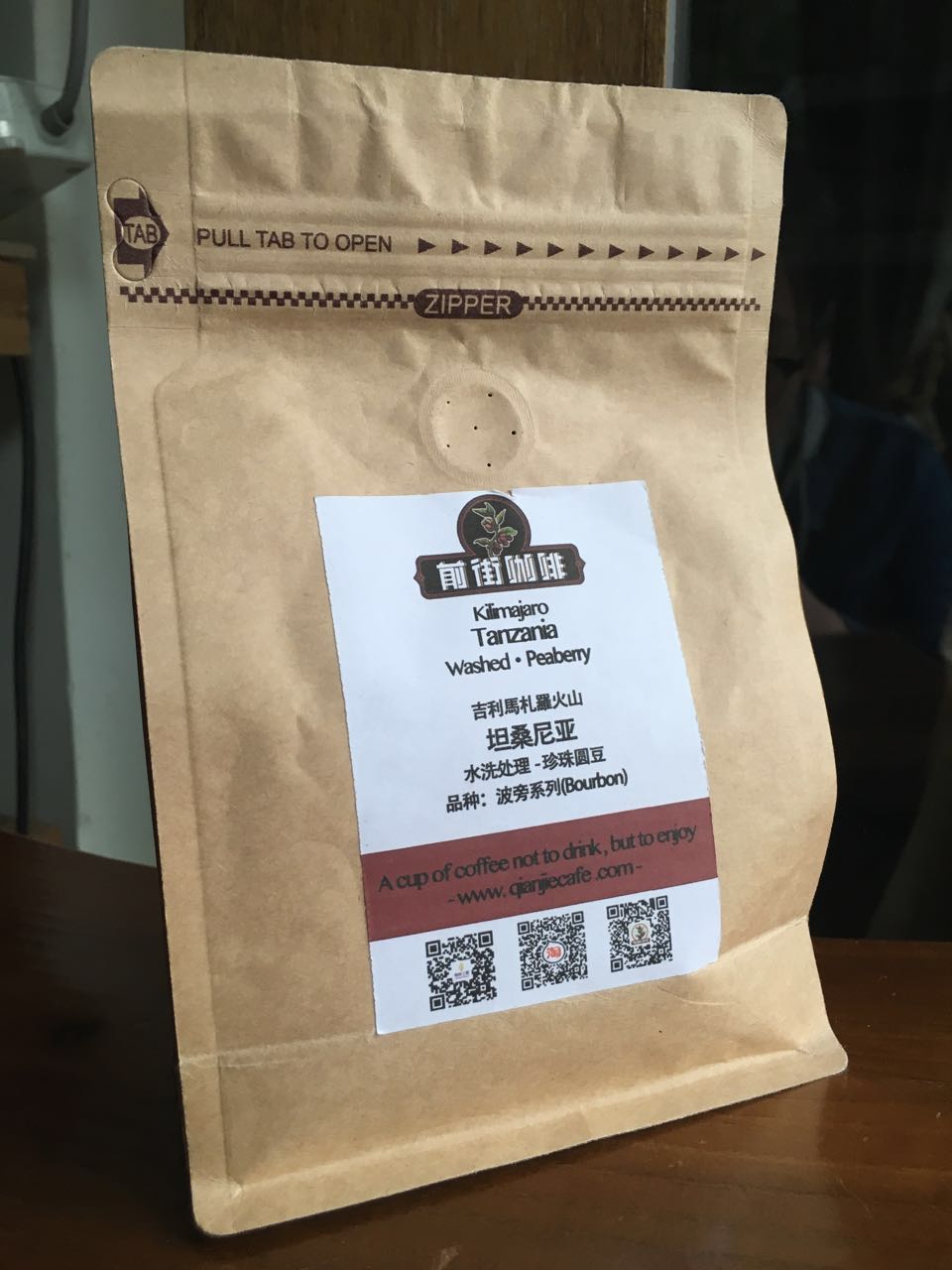
The Origins and Processing of Kenyan Specialty Coffee
Kenyan coffee is celebrated for its bright acidity and fruity complexity. Learn where it comes from, how it’s grown, and why it stands out globally.
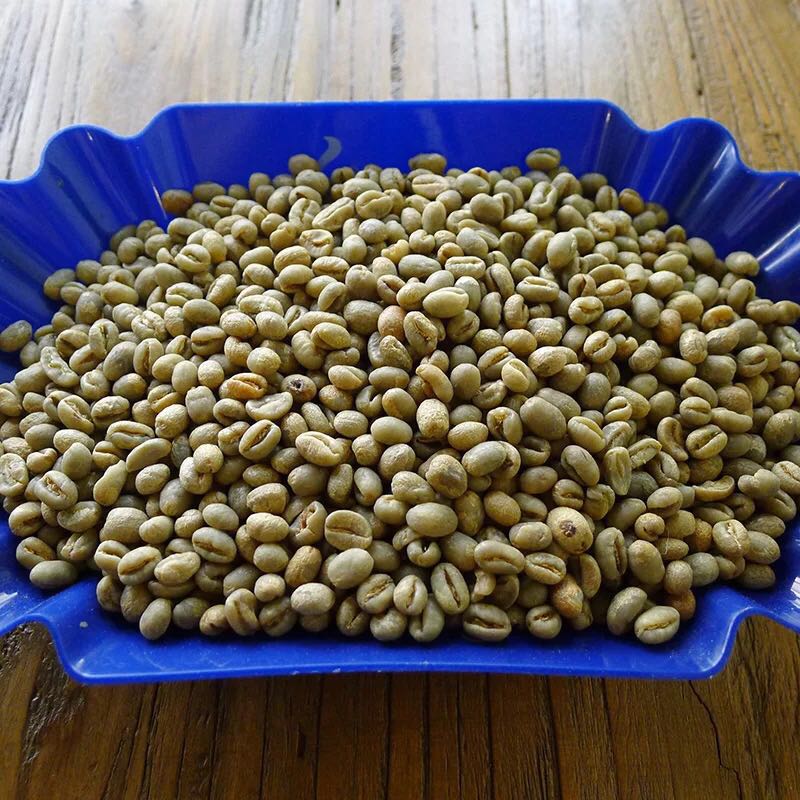
What Makes Kenyan Coffee So Special?
Kenyan coffee is prized for its vibrant acidity, complex fruitiness, and meticulous auction system ensuring quality at every step.

What Does Tahiti Arabica Coffee Taste Like?
Tahiti Arabica is a rare coffee from French Polynesia known for its elegant flavor and smooth body—here’s what makes it special.
What Makes Ethiopian Coffee Unique? Specialty Guide
Explore Ethiopia’s role as coffee’s birthplace, its wild-growing varieties, and why its high-altitude beans deliver distinctive floral and fruity flavors.
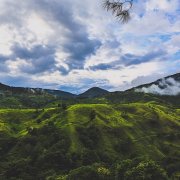
Papua New Guinea Typica Peaberry Coffee Beans
Learn about PNG peaberry beans grown at high altitudes, their history, flavor, and why quality improved after 1993 reforms.

How Colombia Processes Its Specialty Coffee Beans
Colombia’s coffee processing methods focus on washed techniques and regional microclimates to produce balanced, high-quality beans.
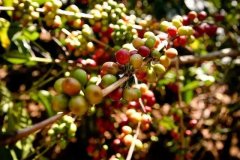
Hawaiian Coffee: What Makes Kona So Rare and Special?
Hawaiian Kona coffee grows on just 1,400 hectares—less than 5% of U.S. coffee labeled 'Kona' is the real thing. Here’s why it’s unique.