
Coffee Knowledge
Latest articles, industry insights and brewing guides

Coffee Roast Levels and Roasting Equipment Explained
Learn the types of coffee roasting machines and how roast levels affect flavor, from light to Italian roast, with key temperature stages.
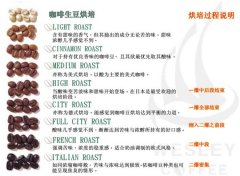
Deep vs Light Roast Coffee What's the Difference
Deep roasts develop sweetness and body; light roasts highlight origin flavors. Here’s how roast level shapes your cup.

How to Judge Coffee Freshness by Oiling
Fresh light roasts should look dry; dark roasts should shine. Learn what coffee bean oil really means for freshness.

Why Dark Roast Coffee Has More Caffeine Than Light Roast
Dark roast beans often contain more caffeine per cup—not less—due to higher roast loss and greater bean usage. Here’s the science.

Cinnamon, City, and French Roasts Explained: What’s the Difference?
Learn how roast levels like cinnamon, city, and French affect coffee flavor, from bright acidity to deep bitterness. Key insights for specialty coffee drinkers.
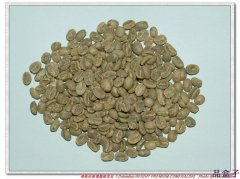
How We Roasted Colombia's Premium Emerald Coffee Beans
This 2011 FrontStreet roast of Colombia HEIGHT PREMIUM ESMERALDA stopped at first crack’s end—here’s how bean size variation impacted the profile.

Understanding Coffee Roast Levels and What They Mean
Learn how coffee roast levels—light, medium, dark, and extra dark—affect flavor, aroma, and acidity. Discover the science behind coffee roasting.
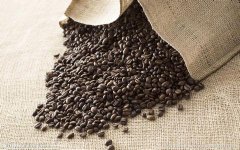
Coffee Roasting Basics: Dehydration, Ramp, Smoke, and Drying Phases
Learn when to start dehydration, how fast to ramp heat, manage smoke, and use the drying phase. Key temps, times, and techniques explained.
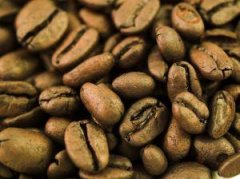
How Coffee Roasting Unlocks the World’s Richest Aromas
Learn how proper roasting transforms raw coffee beans into intensely aromatic brews, releasing over 800 flavor compounds through controlled heat.
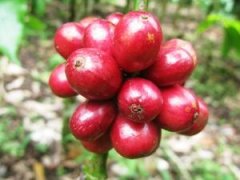
How Heat Transfer Works in Coffee Roasting: Conduction, Convection, Radiation
Understand how conduction, convection, and radiation affect your roast—key principles every specialty coffee roaster needs to master.
How Coffee Roast Levels Are Defined and How They Taste
Learn how coffee roast levels like Cinnamon, City, and French are scientifically measured using Agtron numbers, and how roast affects flavor, acidity, and caffeine.

Coffee Roast Levels Explained: From Light to Spanish
Learn the full range of coffee roast levels—from New England to Spanish—how they look, taste, and what each means for flavor development.

How to Roast Coffee at Home Using a Hand Pan
Hand pans don't allow fine roast profiling, but you can still roast evenly. Focus on avoiding blotchy beans and uneven heat for a solid home roast.

Ethiopia’s Four Coffee Cultivation Systems Explained
Ethiopia grows coffee under four distinct systems: forest, semi-forest, garden, and plantation. Learn how these methods shape its legendary cup diversity.
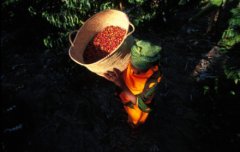
Why Ethiopian Coffee Looks Deceptive But Tastes Exceptional
Scientific studies show Ethiopian coffee from the Kafa Forest region scores higher in cup quality despite less impressive bean appearance than northern varieties.
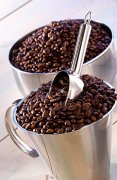
Ethiopian Coffee Bean Grades Explained
Learn how Ethiopian coffee beans are graded by defect count—Grade 1 for washed, Grades 3–5 for natural—and why Grade 4 often gets downgraded.
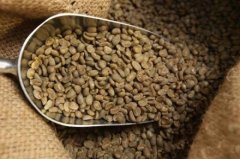
Ethiopian Coffee Yields Set to Rise Steadily
Ethiopia’s coffee output has climbed from 500–600 kg/ha to 1.6 tonnes/ha with new high-yield, disease-resistant varieties and improved farming conditions.
Where Did Arabica Coffee Originate? Ethiopia Explained
Arabica coffee comes from Ethiopia — here’s the proof, from genetics to history, plus why its coffee diversity remains unmatched.

World’s Major Coffee Growing Regions and Their Characteristics
Explore the globe’s top coffee-producing regions, their ideal climates, altitude ranges, and unique flavor profiles for each major origin.
What Makes Jamaican Blue Mountain Coffee So Special?
Not all 'Blue Mountain' beans taste like true Jamaican Blue Mountain Coffee. Only beans grown at 3,000–5,000 feet and processed properly deliver the signature balance.