
Coffee Knowledge
Latest articles, industry insights and brewing guides

Harar Coffee Region in Ethiopia: What Makes It Unique
Explore Ethiopia’s Harar coffee region, known for high-altitude cultivation and distinctive natural processing. Discover its history, climate, and flavor profile.

Ethiopia’s Lesser-Known Coffee Growing Regions Explained
Explore Ethiopia’s overlooked coffee regions like Teppi, Gimbi, and Illubabor—learn their altitudes, processing styles, and flavor profiles outside Yirgacheffe.

Sidamo Coffee: Ethiopia’s Wild, Fruit-Forward Region
Learn what makes Ethiopian Sidamo coffee unique — from processing methods to flavor profiles, altitude, and wild forest heritage.

Ethiopia’s Four Coffee Cultivation Systems Explained
Learn how Ethiopia grows its coffee through forest, semi-forest, garden, and plantation systems — and why most remain low-tech and non-organic.

Blend First or Roast First? Coffee Blending Basics
Roast then blend for a set recipe, or blend then roast to test components? Learn which method works best for different coffee goals.

Handmade Wire Mesh Coffee Roasting for Beginners
Learn how to roast green coffee beans using a low-cost wire mesh hand roaster — a simple, effective beginner method with clear steps.
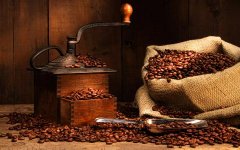
How to Tell if Your Coffee Beans Are Fresh
Learn five simple ways to check coffee bean freshness by smell, sight, sound, color, and grind. Key signs include aroma, texture, and roast shade.

What Determines a Great Cup of Coffee? 3 Key Factors
A great cup depends on three elements: the green coffee bean quality, the roast profile, and your brewing technique.

Beginner Coffee Roasting: 3 Key Goals Before You Start
Before roasting coffee beans at home, define your goals: why roast, how you'll brew it, and the flavor profile you want.

20 Coffee Roast Profiles Using the Apollo Home Roaster
Explore how to roast 20 different coffee origins on the Apollo home roaster, with tips on charge weight, roast duration, and flavor outcomes.

How to Roast Guatemala Antigua La Flor Coffee Beans
Learn how to roast Guatemala Antigua La Flor coffee beans for balanced floral and citrus flavors with a smooth profile. Includes ideal roast time and notes.

How to Control Coffee Roast Degree: A Step-by-Step Guide
Learn how to determine and control your roast level, with insights from a Tanzania Ruvuma AAA roast stopped at first crack.

How Roast Level Affects Island and African Coffee Flavor
Roasting Tanzanian Ruvuma AAA to first crack or early second gives bright fruit and sweetness. Here’s what happens at different roast stages.

Roasting Tanzania Ruvuma AAA: Profile & Approach
Learn how a medium-light roast on Tanzania Ruvuma AAA highlights its bright fruit and sweetness, stopped just at first crack’s end.

How to Roast Rwandan Gatare Coffee: Key Roast Timing
Roast Rwandan Gatare washed beans just after first crack ends, before second crack begins, with slightly elevated heat for best results.

Roasting Congo Kivu Lake Peaberry Coffee Beans
This article explores issues in roasting Congo Kivu Lake Peaberry beans, including high defect rates and off-flavors after roasting.

How to Roast Indonesian Sumatra 19-Mesh Mandheling Coffee
Learn how FrontStreet Coffee roasted 19-mesh Sumatra Mandheling beans to bring out herbal, sweet-acidic notes with solid body and clarity.

Coffee Roast Levels Explained for Roasters
A detailed breakdown of coffee roast stages from light to dark, including flavor profiles, surface appearance, and when each is used.
Acids in Roasted Coffee: What’s Really in Your Cup?
Find out which acids dominate in roasted coffee, how roast level affects acidity, and why coffee’s pH doesn’t tell the whole story.

What Happens During Coffee Roasting After Harvest
After harvest, coffee beans must be roasted to develop flavor. Roasting triggers chemical changes that create aroma, color, and body in your cup.