
Coffee Knowledge
Latest articles, industry insights and brewing guides

Where Did Coffee Latte Art Actually Come From?
Latte art began as a theatrical coffee performance in the West. Discover how it evolved from a visual spectacle to a key part of espresso craft.
Latte Art Practice: Pouring Water to Build Foundation
Learn the fundamentals of latte art by practicing with water—improve stability and control your pitcher movements before working with milk.
Why Center Pouring Works Better in Pour-Over Coffee
Center pouring creates stronger extraction than full-surface immersion. Water flows through more coffee grounds, resulting in richer flavor.
The 10 Most Common Defect Coffee Beans You Should Know
Learn the 10 key types of coffee defect beans that impact flavor and grade, from black beans to moldy ones—vital for quality control.
The World Map of Coffee Bean Origins
Discover where coffee grows best, from the equatorial coffee belt to key producing regions, and which species thrive where.
What Is Jamaican Blue Mountain Mavis Bank Peaberry?
Only about 2% of Jamaican Blue Mountain beans are Peaberry. Here’s what makes Mavis Bank Peaberry rare, balanced, and sought after.
How Coffee Roasting and Blending Create Great Flavor
Learn how roast level and blending shape your coffee’s flavor, from light to dark roast profiles and the art behind coffee blends.

How Much Caffeine Is Really in Espresso?
Espresso has less caffeine than most coffee brewing methods. Here’s why your shot has just 1/3 to 1/2 the caffeine of a drip cup.
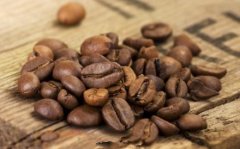
What to Do With Used Pour-Over Coffee Grounds
Discover five practical uses for leftover pour-over coffee grounds, from fridge deodorizing to exfoliation, based on real tests by a home coffee enthusiast.

Why You Shouldn't Drink Single Origin Coffee Too Hot
Single origin coffee tastes best when slightly cooled—not piping hot. Discover the ideal serving temperature and timing for peak flavor.
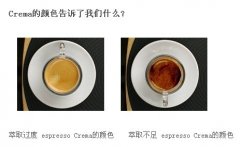
What Espresso Crema Color Really Tells You
The color of espresso crema—ranging from pale tan to nearly black—reveals clues about extraction time, temperature, and coffee strength.
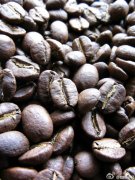
What Makes Coffee Acidic? A Deep Dive Into Coffee Acidity
Learn why some coffees taste more acidic than others, how roast and brew methods affect acidity, and what pH means for your cup.
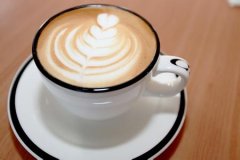
Why Bloom Coffee During Pour-Over? The Science Behind It
Bloom enhances extraction by releasing trapped gases. Learn how long to bloom based on roast level and why it improves your pour-over.
What Makes Hawaiian Kona Coffee So Unique?
Discover why 100% pure Kona coffee is rare, flavorful, and highly prized — and how to spot the real thing.
Where the World’s Specialty Coffee Is Grown
Explore the top global regions producing specialty-grade Arabica coffee, from Ethiopia and Kenya to Colombia and Indonesia.
What Makes Jamaican Blue Mountain Coffee So Special?
Learn why Jamaican Blue Mountain coffee commands such high prices, how it’s grown, and what makes it truly unique among specialty coffees.
How Different Coffee Brewers Shape Your Cup
Explore how steam-driven, vacuum, and drip brewers affect your coffee’s flavor, plus key tools like grinders and siphons for better home brewing.
How to Choose and Store Fresh Coffee Beans
Learn how to pick fresh-roasted coffee beans and store them properly to preserve flavor. Keep beans away from heat and moisture.
How Coffee Affects Your Body: Benefits Backed by Facts
Coffee boosts energy, aids digestion, and even helps fight odors. Here’s what science and tradition say about coffee’s real effects on your health.
How to Tell if Your Coffee Beans Are Fresh
Learn how to assess coffee bean freshness by smell, appearance, sound, and color — four simple checks every home roaster should know.