
Coffee Knowledge
Latest articles, industry insights and brewing guides

Ethiopian Coffee Culture characteristics of Ethiopian Coffee Export
Professional coffee knowledge exchange more coffee bean information please follow coffee workshop (Wechat official account cafe_style) Coffee is the core of Ethiopian culture, coffee production is both a loving labor and an important source of income. This crop has been integrated into the culture and economy of the country. The country is the sixth largest coffee producer, according to reports, in 2018
Coffee planting guidelines Coffee Tree planting elements Coffee planting soil
Professional coffee knowledge exchange more coffee bean information Please pay attention to the coffee workshop (Wechat official account cafe_style) A strong and healthy coffee tree needs to balance several factors: sun, water, wind and nutrients in the soil. However, when it comes to soil quality, there are many misunderstandings. Healthy soil is a basic aspect of coffee cultivation, and as a farmer wants to learn from your crops
Coffee treatment methods | selection of coffee treatment methods characteristics of various coffee processing methods
Professional coffee knowledge exchange more coffee bean information Please follow the coffee workshop (Wechat official account cafe_style) most coffee producers want to produce the most profitable and therefore the most delicious coffee, but they are limited by the environment. Coffee is more closely related to its surroundings than most foods. Before deciding whether to produce washed coffee, honey-treated coffee or tanning place
Introduction to the processing of coffee honey the flavor of coffee beans treated with honey describes the taste characteristics of honey treated coffee
Professional Coffee knowledge Exchange more information on coffee beans Please follow the coffee workshop (Wechat official account cafe_style) if handled properly, honey-treated coffee tastes like someone put honey and brown sugar in your coffee, even though the name actually comes from the stickiness of coffee beans during processing. In many ways, this kind of coffee is between washed coffee and sun-treated coffee.
Flavor description of sun-treated coffee beans taste characteristics of sun-treated coffee beans
Professional coffee knowledge exchange more information about coffee beans Please follow the coffee workshop (Wechat official account cafe_style) sun treatment, also known as the drying process, is a back to basics method that originated in Ethiopia. The fruit is left on the coffee beans, and when the coffee dries, the coffee is almost undisturbed. Although the investment is small, certain climatic conditions are still needed to ensure the fruit and
Coffee washing treatment characteristics of washed coffee beans is water washed coffee good?
Professional coffee knowledge exchange more coffee bean information please follow the coffee workshop (Wechat official account cafe_style) washing coffee washing coffee only pay attention to the coffee beans themselves. They let you taste the taste on the inside, not on the outside. You see, sun-treated or honey-treated coffee requires coffee cherries around the beans are delicious. However, washed coffee
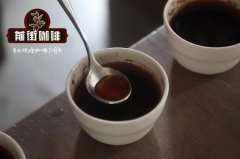
In which country is the Costa Rica Goddess Garden introduced?
Professional coffee knowledge exchange More coffee bean information, please pay attention to coffee workshop (Weixin Official Accounts cafe_style) Front Street Coffee-Costa Rica Goddess Manor geisha Introduction Costa Rica coffee planting area is volcanic terrain with fertile volcanic ash, mild and suitable temperature, and stable and abundant rainfall, are all factors that make coffee become Costa Rica's main agricultural products, and
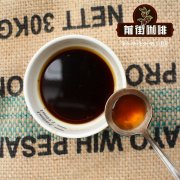
How to flush out the flavor of scented tea and share it with Yega Chuefei.
Professional coffee knowledge exchange more coffee bean information please follow the coffee workshop (Wechat official account cafe_style) Qianjie Coffee-washed Yega Chuefei brewing sharing Yejia Chuefei is synonymous with fruity and floral coffee, clean and bright taste and lively acidity unforgettable. Yega Xuefei is an excellent producing area with many legends, and it is also one of the boutique coffee markets in the past decade.
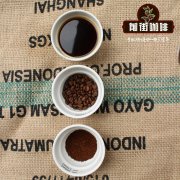
A brief introduction to the Flavor of Yejiaxuefei Coffee beans
Professional coffee knowledge exchange more coffee bean information please follow the coffee workshop (Wechat official account cafe_style) Qianjie Coffee-Yega Ficher flavor brewing sharing Yega Xuefei is a small town in Ethiopia, 1700-2100 meters above sea level, is one of the world's highest coffee-producing areas, but also synonymous with Ethiopian boutique coffee. Lake Turkana, Lake Abaya

Comparative introduction of Yega Xuefei hand-flushing method to share the flavor of Manning Sidamo coffee
Professional coffee knowledge exchange more coffee bean information please follow the coffee workshop (Wechat official account cafe_style) Qianjie Coffee-Coffee Coffee from Sidamo and Manning Coffee in Indonesia is very diversified in quality, but we usually refer to Tibika or its varieties grown in the mountains around Lake Toba. Coffee gourmets around the world have commented

Sidamo Coffee and Colombian Coffee introduce the difference between Sidamo and Colombian Coffee
Professional Coffee knowledge Exchange more coffee bean information please follow Coffee Workshop (Wechat official account cafe_style) Front Street Coffee-comparison between Coffee Coffee and Colombian Coffee Sidamo is a coffee-producing area of southern Ethiopia at an elevation of 46007200 feet (14002194 m) above sea level and the southernmost part of the Ethiopian plateau bordering Kenya. From Ethiopia, a well-known coffee producing area.
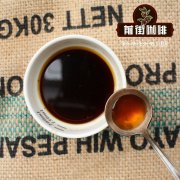
How to drink Sidamo Coffee correctly introduce the taste of Sidamo Coffee
Professional coffee knowledge exchange more coffee bean information please follow the coffee workshop (Wechat official account cafe_style) front street coffee-Sidamo coffee tasting and taste introduction Sidamo coffee is a famous boutique coffee area in southern Ethiopia, growing in the southernmost Ethiopian plateau between 4600 and 7200 feet (Sidamo administrative region) above sea level, is heavy in southern Ethiopia

Brief introduction of Candlestick Coffee in Sidamo
Professional coffee knowledge exchange more coffee bean information please follow the coffee workshop (Wechat official account cafe_style) Qianjie Coffee-Sidamo Candle Coffee brief introduction to the candle producing area Sidamo grows in the southernmost Ethiopian plateau between 4600 and 7200 feet above sea level (Sidamo Province), is a famous boutique coffee area in southern Ethiopia, bordering Kenya and east of Gemma
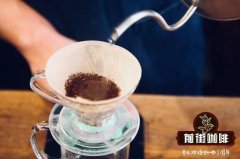
Is Sidamo Yega Sheffield? what's the relationship between Yega Chefe and Sidamo?
Professional coffee knowledge exchange more coffee bean information please follow the coffee workshop (Wechat official account cafe_style) Qianjie Coffee-A brief introduction to the relationship between Yegashifi and Sidamo Ethiopia has unique natural conditions suitable for growing all imaginable varieties of coffee. A large amount of coffee production (95%, 2011 data) is done by small shareholders. Ethiopia

Introduction of Ethiopian Sidamo Coffee description of characteristics and Flavor of Sidamo Coffee beans
Professional coffee knowledge exchange more coffee bean information please follow Coffee Workshop (Wechat official account cafe_style) Front Street Coffee-Ethiopian Sidamo Coffee introduction Sidamo State is located in southern Ethiopia, and the terrain is changeable, belonging to nutrient-rich volcanic soil. Sidamo Coffee is rich in acidity and strong aroma. Sidamo coffee is perfect between aroma and taste.

Introduction of Humbera Coffee Bean A brief introduction to the characteristics of Sidamo Sakura Coffee
Professional coffee knowledge exchange more coffee bean information please follow the coffee workshop (Wechat official account cafe_style) front street coffee-Sidamo Sakuran introduction Sidamo grows in the southernmost Ethiopian plateau between 4600-7200 feet (Sidamo province), is a famous boutique coffee area in southern Ethiopia, bordering Kenya, southeast of Gemma, just south of the capital

Introduction to the skills of making coffee by hand 15g how much water to make it correctly
Professional coffee knowledge exchange more coffee bean information please follow the coffee workshop (Wechat official account cafe_style) Front Street Coffee-Panamanian Hartman Coffee hand to share hand-brewed coffee gourmet ratio practical parameters [heavy taste] 1 10 grams of coffee 11 (milliliters of black coffee), that is, the golden cup standard of 1Ze12.5 coffee 1purl 13.5 (beans weigh more milliliters than raw water) [moderate taste] 1:1

Introduction to the powder-to-water ratio of Columbia coffee beans by hand
Professional coffee knowledge exchange more coffee bean information please follow Coffee Workshop (Wechat official account cafe_style) Front Street Coffee-Columbia Coffee hand brewing parameters sharing Today Colombia is the world's third largest coffee producer and exporter, the world's largest exporter of Arabica coffee beans, and the world's largest exporter of washed coffee beans. The unique geographical environment makes me
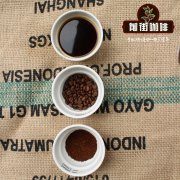
& description of taste and flavor of quot; Colombian coffee variety Colombian coffee bean producing area
Professional coffee knowledge exchange more coffee bean information please follow the coffee workshop (Wechat official account cafe_style) front street coffee-Colombian coffee flavor introduction about the history of Colombian coffee cultivation, among which the Spanish missionary Jose Gumilla mentioned in his book "The Illustrated Orinoca" that it spread on both sides of the Meta River in 1730.