
Coffee Knowledge
Latest articles, industry insights and brewing guides

French filter kettle, tea maker, French Press
Also known as French filter kettle, tea maker, French Press, a simple brewing apparatus consisting of a heat-resistant glass bottle (or transparent plastic) and a metal filter with a pressure rod, which originated in France around 1850. At first, it was mostly used to brew black tea, so it is also called tea maker. The principle of using a pressure pot to make coffee: by soaking, through water and coffee
French press, tea maker, French Press
Also known as French Press, French Press, a simple brewing appliance originating in France around 1850 consisting of a heat-resistant glass bottle body (or transparent plastic) and a metal filter with a pressure rod. At first, it was mostly used for brewing black tea, so it was also called a tea maker. The principle of brewing coffee in a press pot: by steeping it through water and coffee
Coffee concentrate extraction coffee utensils
There are various ways to extract coffee utensils such as steam pressurized coffee maker and siphon. And related to a wide variety of appliances, too numerous to list. It is also fun to use coffee utensils with a simple and generous design and a decorative feel. Looking for coffee utensils that suit you can make your relationship with coffee closer. Espresso maker Happy Day blue, green, gray
How to Brew Coffee Without Making It Bitter
Avoid bitterness and preserve flavor by brewing coffee between 90–96°C, using fresh water, and not reheating brewed coffee.
Common Coffee Misconceptions Debunked
Learn why coffee isn’t harmful, how much caffeine is too much, and whether addiction is real — based on expert research.

How Grind Size Affects Coffee Extraction Rate and Strength
Learn how grind size influences coffee extraction rates, concentrations, and taste — and find the optimal balance for better brews.
Why Coffee Flavor Changes Over Time and How Temperature Affects It
Coffee’s flavor shifts due to temperature sensitivity, chemical changes, and oxygen exposure. Here’s why your cup tastes different as it cools.
What Makes Coffee Taste Bitter? The Real Science
Coffee bitterness comes mostly from compounds other than caffeine. Here’s how roast level, bean type, and brewing change the taste.
Three Key Factors That Shape Your Coffee’s Flavor
Learn how water temperature, brew time, and grind size affect extraction and flavor balance in your coffee. Adjust these to suit taste preferences.
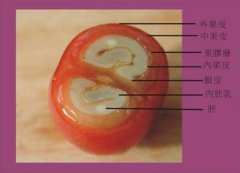
The Structure of Coffee Cherries: From Skin to Bean
Every roasted coffee bean comes from a coffee cherry. Here's what’s inside—from the outer skin to the prized green bean inside.
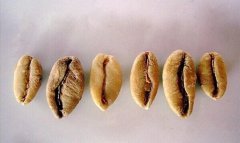
What Is Liberica Coffee? The Rare Bean Explained
Liberica makes up just 5% of global coffee production. Learn why this large-bean variety is tough to grow, hard to process, and rarely used commercially.
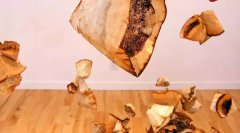
Can You Cup Coffee While Sick? What Happens to Your Palate
Yes, you can technically cup coffee while sick—but your impaired smell greatly reduces accuracy. Here’s what actually changes and whether it’s worth doing.

How Often Should You Clean Your Espresso Machine Group Head?
A 19-day experiment shows daily group head cleaning improves espresso flavor more than weekly or no cleaning.

How Water Temperature Affects Coffee Extraction by Roast Level
Learn how to adjust water temperature for coffee brewing based on roast level—lower for dark roasts, higher for light roasts—to optimize extraction.
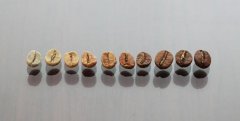
Why Unroasted Coffee Is Unsafe and How Roast Level Affects Flavor
Unroasted coffee beans are unsafe to drink due to stomach-upsetting acids. Learn how light, medium, and dark roasts develop flavor through Maillard and caramelization reactions.

What Is Specialty Coffee? The True Definition Explained
Specialty coffee means high-scoring, expertly grown, roasted, and brewed beans—here’s what sets it apart from regular or ‘premium’ coffee.
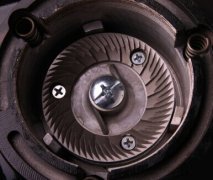
Stable Grind Size: Why Your Grinder Matters More Than You Think
A great grinder delivers consistent coarse-to-fine particle ratios—not perfect uniformity. Here’s how grind stability impacts your extraction.

How Siphon Coffee Differs from Pour-Over: Key Traits
Discover how siphon coffee offers richer, more stable extraction than pour-over, with a smoother or bolder taste depending on your filter choice.

How to Store Coffee Beans & Buy Fresh Specialty Coffee
Learn the best way to store roasted coffee beans and choose fresh specialty coffee to preserve flavor and aroma for optimal brewing.

The History and Science of Coffee Roasting
Learn how coffee roasting evolved from 13th-century Ethiopia to modern industrial methods, and what affects your cup’s flavor.