
Coffee Knowledge
Latest articles, industry insights and brewing guides

Panama Coffee Beans Compared: Specialty Profiles
A side-by-side look at Panamanian specialty coffee beans: Hartmann La Frontera Geisha (92-point natural), Lerlda Estate Catuai (87-point honey), and more.

Beginner Coffee Questions Answered: Sweetness, Brewing, and More
Why does black coffee taste sweet? Is it really healthier? Find quick answers to your top beginner coffee questions, backed by facts.

What Is Natural Process Coffee and How Does It Taste?
Learn how natural process coffee is made, why it’s sweeter, and which regions produce the best examples — with profiles from Ethiopia, Brazil, and Colombia.

What Is Coffee Bloom and Why It Matters
Learn the science behind coffee bloom, how long to let it sit, and how much water to use for optimal extraction.
What Is Coffee Bloom and How Does It Work?
Learn the science behind coffee bloom—why it’s essential for even extraction, how long to let it last, and how much water to use.

How Coffee Shops Keep Customers Coming Back
Learn why great customer service, not just coffee quality, keeps patrons loyal—and how staff behavior shapes repeat visits.

How to Brew Pour-Over Coffee: Step-by-Step Guide
Learn the full pour-over coffee technique with exact grind size, water ratio, timing, and how to adjust flavor.

How to Steam Milk for Silky Microfoam in Coffee
Learn the key steps to creating smooth, velvety microfoam for coffee—temperature, sound cues, steam pressure, and proper technique matter.

What Happens to Green Coffee Beans During Roasting
Green coffee beans turn brown through chemical changes during roasting. Find out how color, size, and flavor develop in just 8–20 minutes.

5 Popular Pour-Over Methods for Specialty Coffee
Explore five well-known manual brewing styles for pour-over coffee, from Japanese volcano pour to academic drip, with pros, cons and key details.

Famous Coffee Origins in the Malay Archipelago
Discover why Indonesia’s Sumatra produces some of Asia’s most iconic specialty coffees, including Mandheling DP1 and Reserve Mandheling.

Key Factors That Shape Kona Coffee Growing Conditions
Explore the critical elements—soil, altitude, sunlight, cloud cover, rainfall, and slope—that determine the unique profile of Hawaiian Kona coffee.

Why Kona Coffee Commands Premium Prices
Discover why Kona coffee fetches premium prices due to its volcanic soil, ideal microclimate, and high yield per hectare compared to Latin America.

What Is Mandheling Coffee and Why Does It Age Well?
Mandheling isn't a region or variety, but a historical mishearing. Learn where the name comes from, what defines great Mandheling, and why aged versions taste so sweet.

What Makes Hawaiian Kona Coffee So Special?
Kona coffee grows only on Hawaii’s volcanic slopes, yielding rich, wine-like beans with limited supply and blue-mountain-level pricing.

Why Brazilians Love Their Own Coffee So Much
Brazilian coffee suits mass tastes due to low acidity, nuttiness, and smooth body. Explore regional styles, from Bahia washed to Conillon supermarket beans.
Guatemalan Coffee Bean Flavor Profile Explained
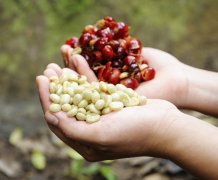
Discover the vibrant acidity and complex fruit-chocolate notes of Guatemalan highland coffee, shaped by volcanic soils and microclimates.

What Makes Brazilian Coffee So Unique?
Brazil produces over 98% of its coffee from just four states. Discover why its flatland-grown, sun-dried beans dominate global supply.
Why Charcoal-Roasted Coffee Is Known as the World’s Most Bitter
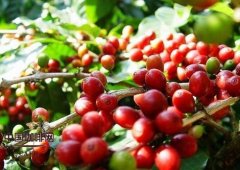
Charcoal-roasted coffee earned its reputation as the world’s bitterest brew thanks to Japanese roasters pushing darkness and bitterness to the extreme.

What Is Mocha Coffee? Origins and Meaning Explained
Learn where Mocha coffee comes from, why it’s called Mocha, and how it relates to chocolate-flavored espresso drinks today.