
Coffee Knowledge
Latest articles, industry insights and brewing guides
What Does Mocha Coffee Taste Like?
Mocha coffee beans deliver bold acidity with winey, fruity, spicy, and chocolatey notes—here’s why Ethiopia and Yemen are famed for this complex origin.
Why Guatemala’s Antigua Region Makes Elite Coffee
Antigua, Guatemala produces some of the world’s most balanced, complex coffees thanks to volcanic soil, high altitude, and microclimates.
What Is Jamaican Blue Mountain Coffee?
Learn why Jamaican Blue Mountain coffee commands premium prices, how it’s made, and what makes its balanced flavor truly unique.
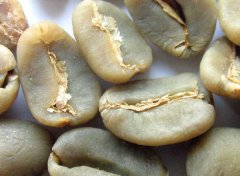
What Is a Coffee Peaberry or Caracoli?
Peaberry coffee beans form when only one rounded bean develops inside a coffee cherry. Learn why they’re rare, whether they taste better, and what makes Kona Peaberry special.
What Is Honey Process Coffee and How Does It Work?
Honey process coffee combines washed clarity with natural sweetness. Learn how it’s done, why it varies by climate, and what honey types mean.
Coffee Roasting & Machine Glossary: Key Terms Explained
Learn essential coffee roasting terminology—from afterburners to first crack—with clear definitions for specialty roasters and home enthusiasts.
How to Brew Better Coffee: 5 Essential Tips
Learn the key factors that make coffee taste better—from freshness and grind to water quality and brewing technique.
Why Coffee Smells So Good: Caramelization & Maillard Reaction
Learn how caramelization and the Maillard reaction during roasting create coffee’s complex, aromatic flavors. Discover the science behind your favorite cup.
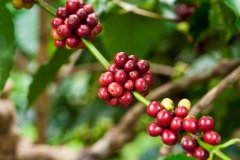
How Much Caffeine Is Really in Your Coffee?
Caffeine is a natural stimulant found in coffee. Learn how much is typically in a cup, its effects, risks, and why it varies by bean and brew.
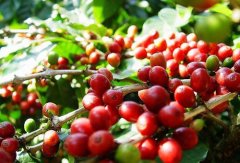
Arabica Coffee Makes Up 65–80% of Global Production
Arabica beans account for 65–80% of global coffee production. Their delicate flavor and aroma make them unique—but also highly vulnerable to disease.
What Are the Four Most Famous Coffees in the World?
Discover the four globally renowned coffees: Jamaica Blue Mountain, Gloria Jean’s, Cubita, and Kopi Luwak — their origins, flavors, and rarity.
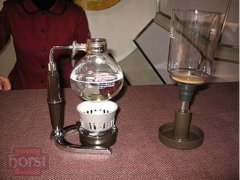
6 Ways to Brew Coffee: Methods and Tools Explained
Explore six common coffee brewing methods—each with unique tools and techniques—to find your ideal extraction style.
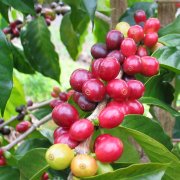
How to Staff a Home-Roast Coffee Shop
Running a home-roast café? Hiring the right people matters more than equipment or permits. Here’s how to build a team that keeps your roastery running.
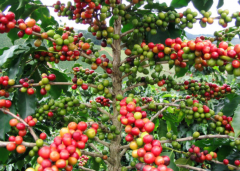
Single-Origin Coffees from the Middle East and South Asia
Explore key single-origin coffees from Yemen, India, Indonesia, and Vietnam — including Mocha Sanani, Mandheling, and Weasel Coffee — with tasting notes and regional profiles.

Single Origin Coffee from Latin America’s Top Regions
Explore the major single origin coffee regions of Latin America, including Brazil, Colombia, Guatemala, and more, with key details on flavor profiles and production areas.
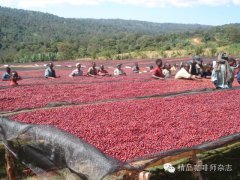
African Coffee Origins: Key Specialty Regions
Discover the major African coffee-growing regions known for high-quality beans, including Ethiopia, Kenya, Rwanda, and more with distinct flavor profiles.

How to Use a French Press: Key Brewing Tips
Get the best French press coffee with the right grind, water ratio, and 4-minute brew time. Avoid over-extraction and sludge with these pro steps.
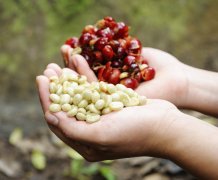
Top 10 Specialty Coffee Beans of 2011/12 by SCAA
Discover the top 10 highest-scoring specialty coffees of 2011/12 from the SCAA’s Coffees of the Year competition, including Ethiopian and Colombian Geishas.
What Is the Academic Pour-Over Method in Specialty Coffee?
The academic pour-over method is a stable, beginner-friendly way to brew filter coffee with consistent results using a centered pour and bloom.

How the Drip Method Works for Pour-Over Coffee
The drip method, a slow manual pour-over technique, enhances sweetness and minimizes bitterness—but demands patience and steady hands.