
Coffee Knowledge
Latest articles, industry insights and brewing guides

How to Start a Specialty Coffee Shop: Key Considerations
Starting a specialty coffee shop? Know the essentials: business planning, financial control, customer retention, and realistic expectations.

How to Order Coffee Like a Pro in Specialty Cafés
Learn what not to order and how to get better coffee in cafés—plus expert tips on espresso, milk temps, and cup sizes.

What Kind of Water Makes the Best Coffee?
Not all water is equal for brewing coffee. Learn which TDS and pH levels produce the cleanest, most flavorful cup at home.

How Roast Level Shapes Coffee Flavor Profiles
Learn how light, medium, and dark roasts develop distinct aromas through Maillard and pyrolytic reactions, with breakdowns of flavor compounds in each range.

How to Evaluate Milk Foam Quality: 4 Key Standards
Find out what makes great milk foam: surface shine, no big bubbles, ideal temperature, and zero waste. These four measurable standards define professional-grade microfoam.

How to Brew Better Coffee with Chemex and KONE Filter
Using a KONE stainless steel filter with Chemex creates smoother, richer pour-over coffee with better consistency. Here’s how to get the best results.

Why Latte Art Is a Full-Spectrum Barista Skill
Latte art requires mastery of espresso extraction, milk handling, equipment tuning, and cup selection. Here’s how pros put it all together.

Why the Hario V60 Is the Most Popular Pour-Over Dripper
The Hario V60’s design lets you control water flow, grind size, and extraction time—key to its vibrant, clean cup. Here’s why it’s loved worldwide.

What’s the Best Water Temperature for Brewing Coffee?
The ideal brewing temperature for coffee is around 86–93°C (187–199°F), but coffee grounds' heat impacts the final cup temperature significantly.
What Temperature Should You Brew Coffee At?
The optimal brewing temperature for coffee is around 93°C (199°F), but final drink temp averages 86°C (187°F). Here’s why precision matters.

Key Roasting Terms Every Roaster Should Know
Learn the essential roasting milestones—balance point, first crack, and more—that define a roast profile and affect coffee flavor development.
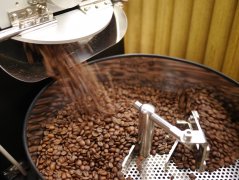
Roaster Types: Direct, Semi-Hot Air, and Hot Air Compared
We break down the pros and cons of three common coffee roasting methods—direct fire, semi-hot air, and hot air—and which works best for single origins.

Ethiopian Coffee Cooperatives: Names, Altitudes & Certifications
Discover 24 Ethiopian coffee cooperatives by name, altitude range, soil type, certifications, and production details for specialty buyers.

How to Modify Your Coffee Roaster with a Differential Pressure Gauge
Adding a differential pressure gauge to your roaster helps monitor airflow and adjust the exhaust dynamically during roast phases like first crack.

How Grind Size and Machine Choice Affect Coffee Flavor
Learn how grind size, temperature, and freshness impact your coffee’s flavor—and which grinders work best for home brewing.

How to Choose the Right Latte Art Pitcher for Your Pour
Find out which latte art pitcher—sharp, round, or triangular—works best for heart, tulip, or leaf designs, and why your tool affects your pour.

What Are Coffee Defects and How Are They Classified?
Learn the 9 most common coffee defects, how they form, and how SCAA classifies them — with clear counts on what counts as a full defect.
How to Quickly Build Coffee Skills for Industry Entry
Learn the five essential modules to master coffee skills fast—from grinding and brewing to cupping and roasting—for entering the specialty coffee trade.

Yemen Mocha Coffee: Flavor, Roast, and Origin Guide
Discover Yemen’s unique coffee profile, ideal roast levels, and what makes its bold, winey acidity and chocolate notes so sought after.

Kenya Mocha Mint Coffee: Rare Processed Arabica
Learn how Kenya Mocha Mint coffee is made through unique wet processing and 6-month sun drying, resulting in low caffeine and bold flavor.