
Coffee Bean
Latest articles, industry insights and brewing guides
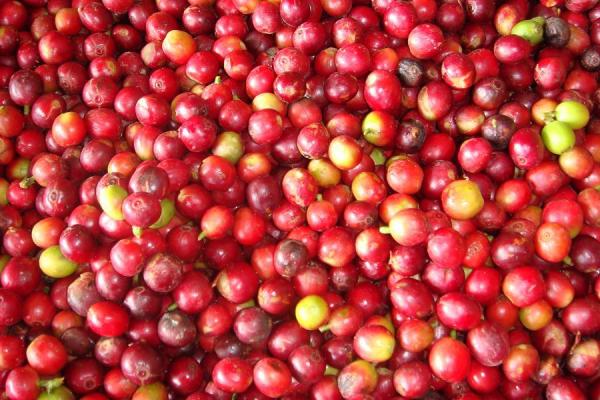
Brazilian Coffee Varieties, Harvesting & Processing Explained
Learn how Brazil grows and processes most of the world’s coffee, from flatland plantations to semi-washed methods and classic flavor profiles.

What Is Colombian Supremo Coffee? A Full Guide
Colombian Supremo is a top-grade coffee known for balance and smoothness. Learn what makes it special, where it comes from, and who it’s for.
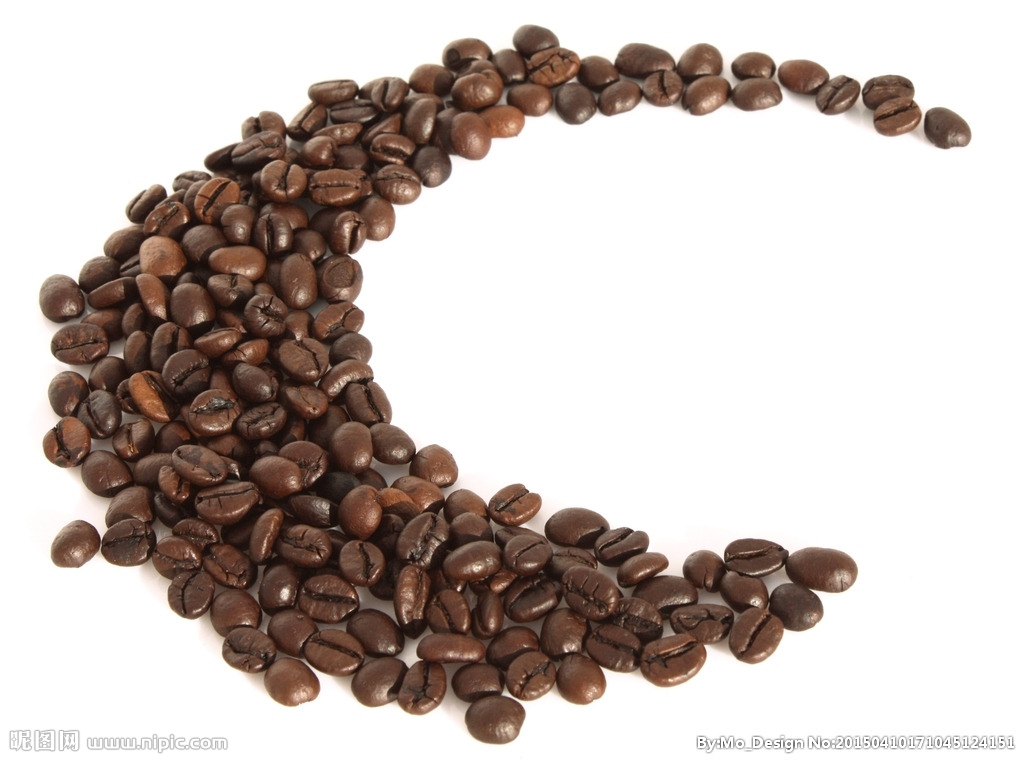
How Colombian Coffee Beans Are Graded for Specialty Quality
Learn how Colombian coffee beans are graded by defects, size, region, and legal standards. Discover what makes a Grade AA or Special Grade bean.
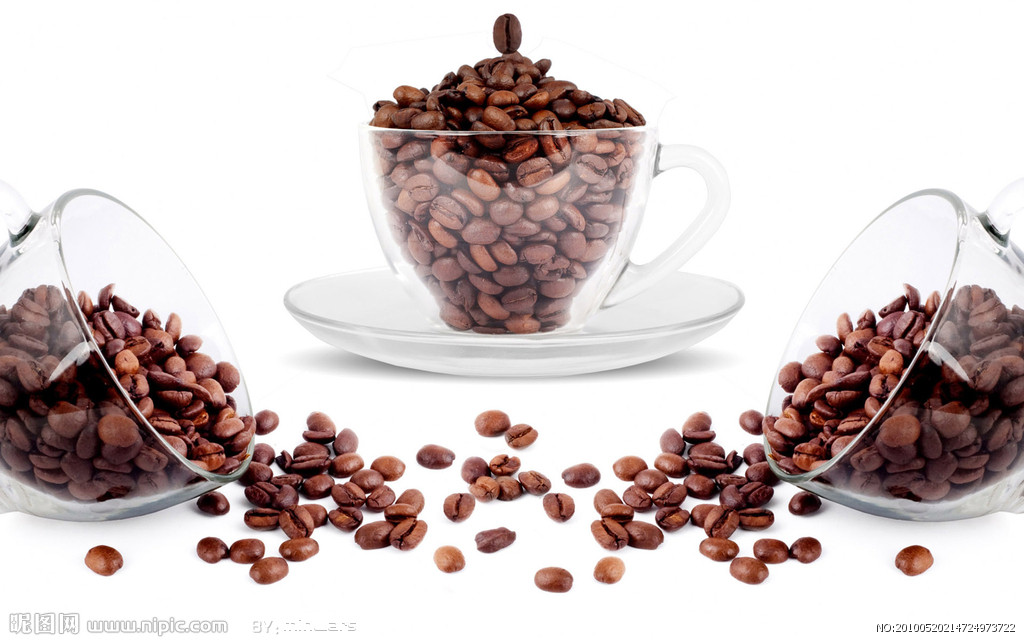
How to Identify and Grade Specialty Coffee Beans
Learn how to identify specialty coffee beans by origin, grade, and appearance, and understand the global systems used to classify green coffee.

How Different Packaging Affects Green Coffee Beans
Learn how packaging like GrainPro impacts green coffee quality during long shipments, and why burlap sacks fall short for specialty beans.
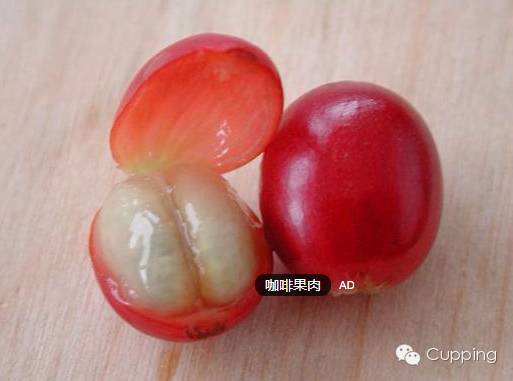
Fermented Coffee Faults: Pulp, Rice, and Medicinal Notes
Explore three key fermented coffee aromas: coffee pulp, basmati rice, and medicinal tones. Learn their origins, sensory traits, and impact on cup quality.
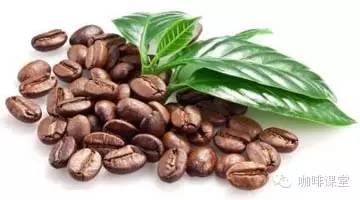
The Three Major Coffee-Growing Regions of the World
Explore the flavor profiles and key origins of coffee from Africa, the Americas, and Asia, including Ethiopia, Colombia, and Indonesia.
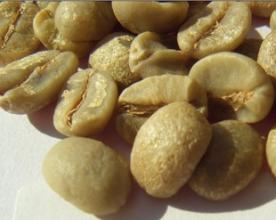
Brazil Cerrado Coffee: What Makes It Specialty?
Learn how Brazil’s Cerrado region became a globally recognized source of high-quality, mechanically farmed specialty coffee with unique growing conditions.
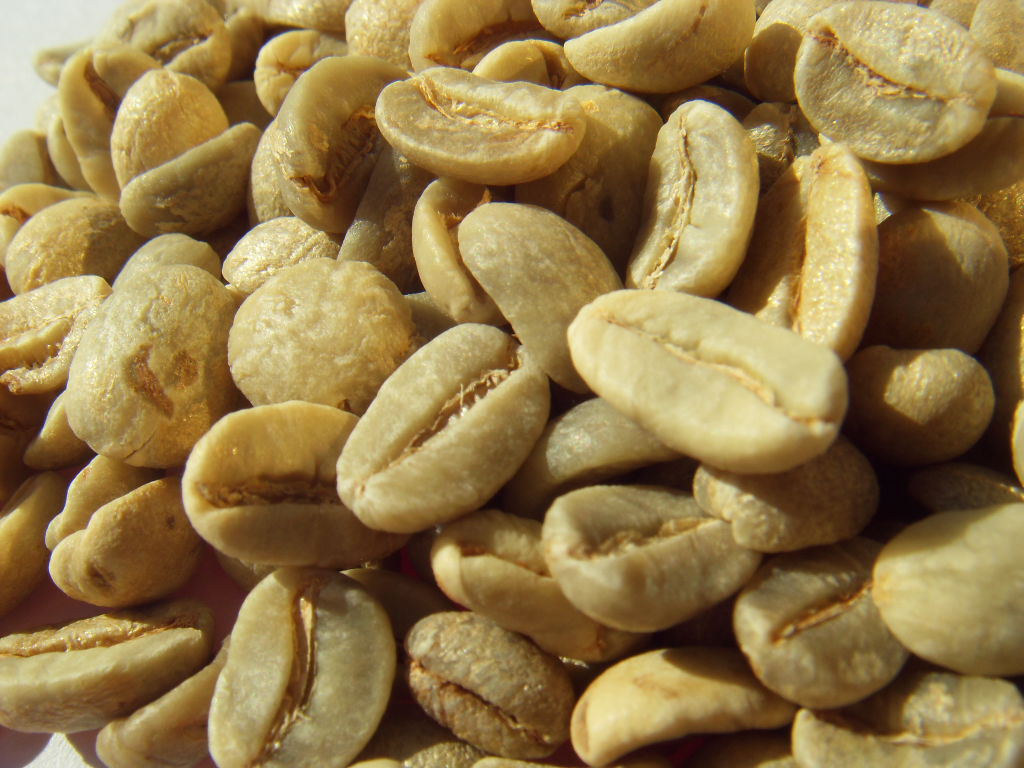
Brazil Yellow Bourbon Coffee: Subtle Sweetness Explained
Find out why Brazil Yellow Bourbon coffee delivers mild sweetness and how roast level and grind size affect its profile.
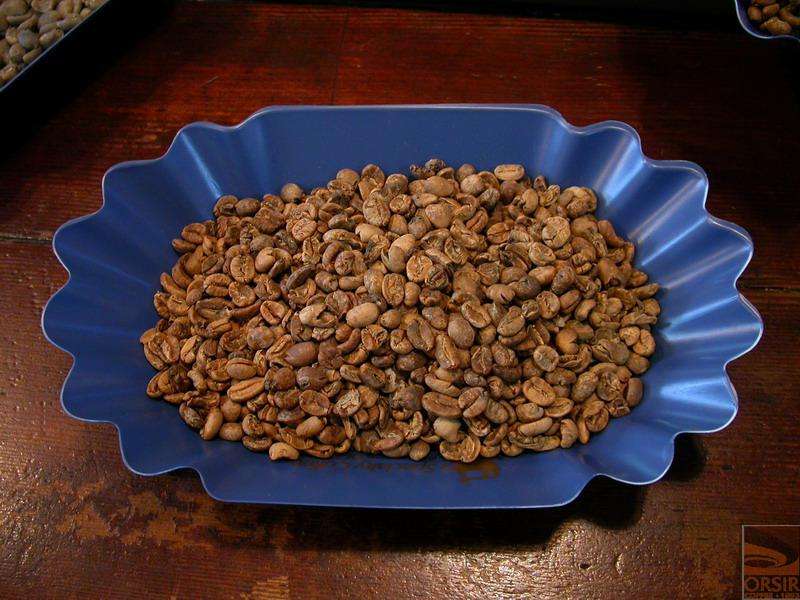
What Are Frog Beans? Rainforest Alliance Certified Coffee Explained
Rainforest Alliance certified coffee is nicknamed 'frog beans' due to the iconic frog logo. Here’s what the certification means for farming, sustainability, and your cup.
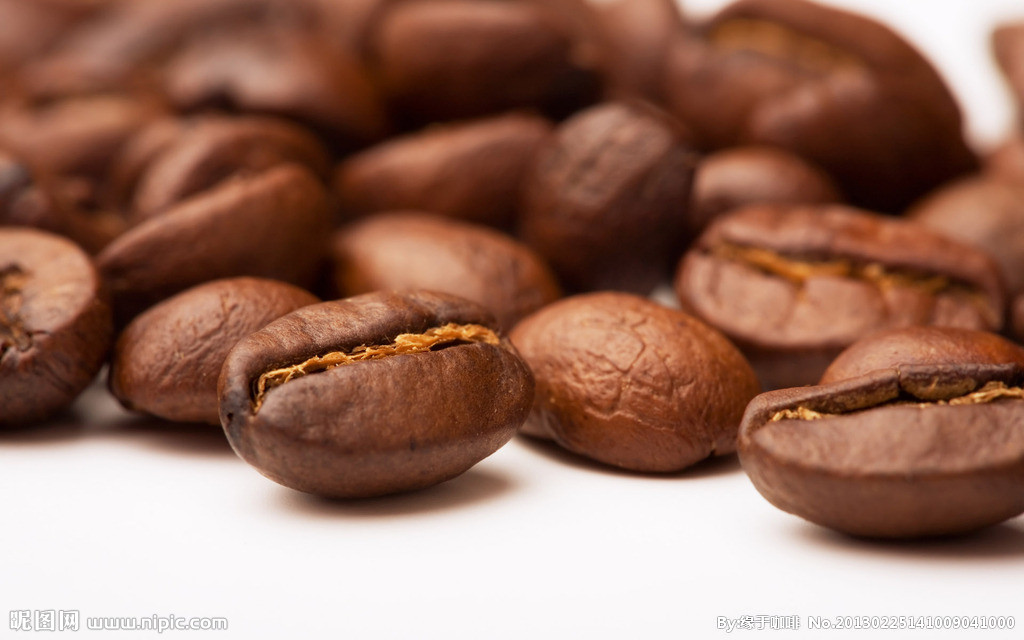
What Is Laurina? The Naturally Low-Caffeine Coffee Bean
Laurina is a rare Bourbon mutation with 0.6% caffeine—naturally low-caffeine and still flavorful. Here’s how it differs from decaf processed beans.
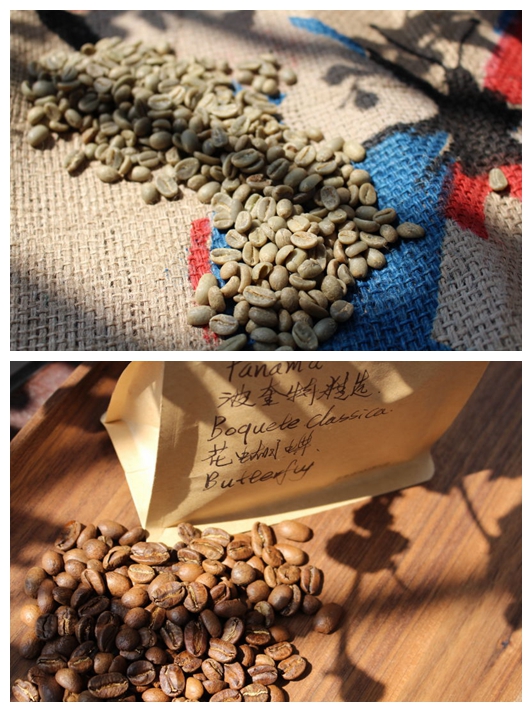
Panama Boquete Butterfly Coffee Beans Breakdown
This Panama Boquete Butterfly lot includes around 40% Geisha, grown at 1400–1700m with volcanic soil and washed processing. Here’s what makes it special.
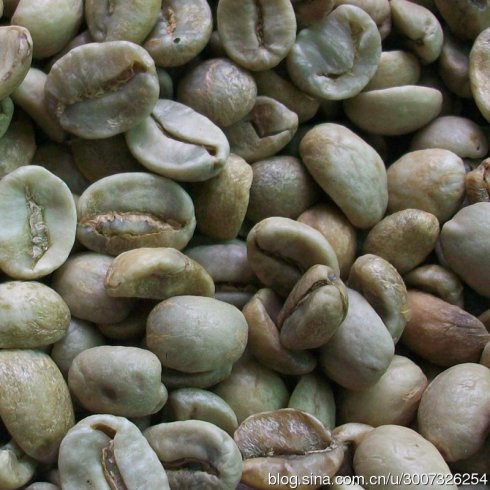
India’s Kent: The High-Yield Typica-Derived Coffee Variety
Kent is a high-yielding, disease-resistant Typica hybrid discovered in India, but it hasn’t won major cupping awards. Learn its history and role in coffee.
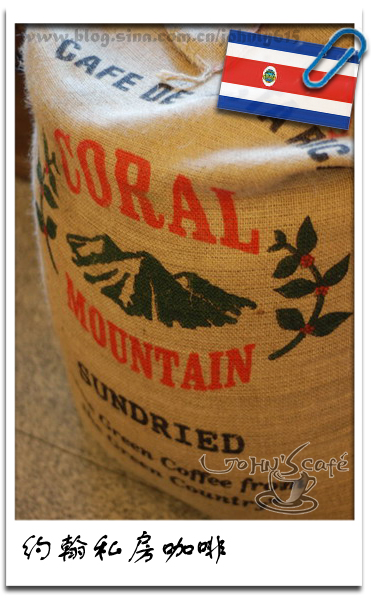
Costa Rica Coral Mountain: A Washed & Sun-Dried Specialty Bean
Explore Costa Rica’s Coral Mountain coffee: a 2009 SHB Caturra, 100% sun-dried at 1500m in Tres Rios, known for clean sweetness and floral complexity.
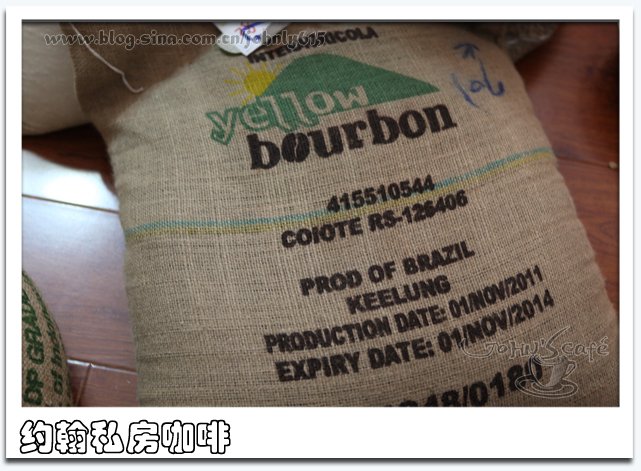
Brazilian Yellow Bourbon: Coiote Estate Pulped Natural Review
This single-origin Brazilian Yellow Bourbon from Coiote Estate is a rare high-altitude microlot with sweet, citrusy, and chocolatey notes.
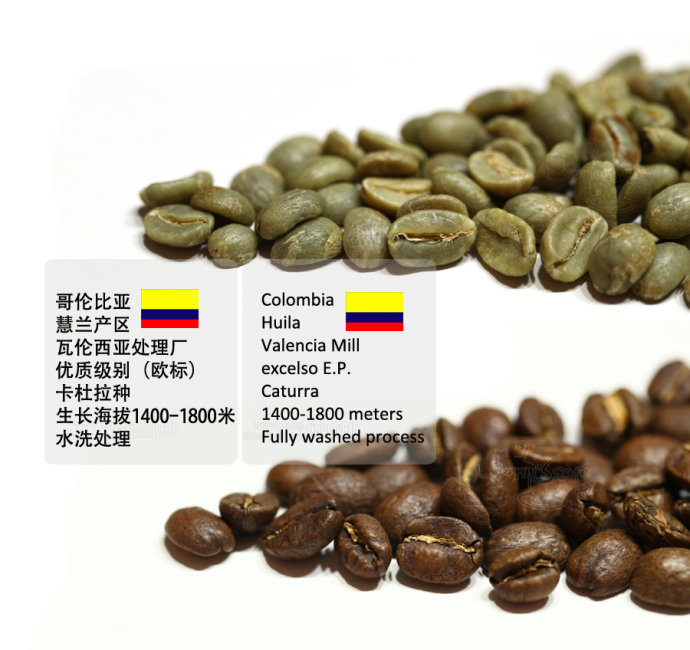
What Makes Colombian Huila Valencia Coffee Special?
Discover why certain Colombian Huila beans, like those from the Valencia family, deliver complex flavors while others fall flat.
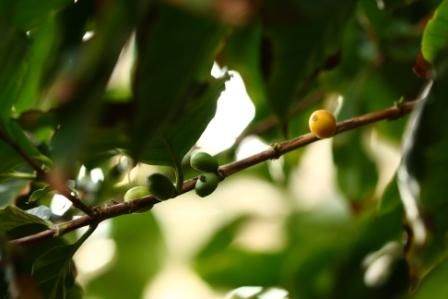
What Conditions Do Coffee Trees Need to Thrive?
Learn the ideal climate, altitude, and soil conditions for growing coffee trees, and how coffee cherries are harvested into beans.
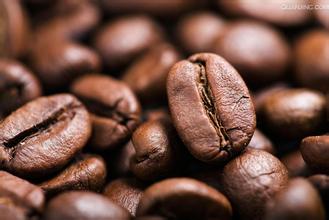
What Chemicals Are Actually in Your Coffee?
A cup of coffee brewed with traditional methods contains over 200 compounds; espresso methods can extract up to 1,500. Here’s what’s really in your brew.
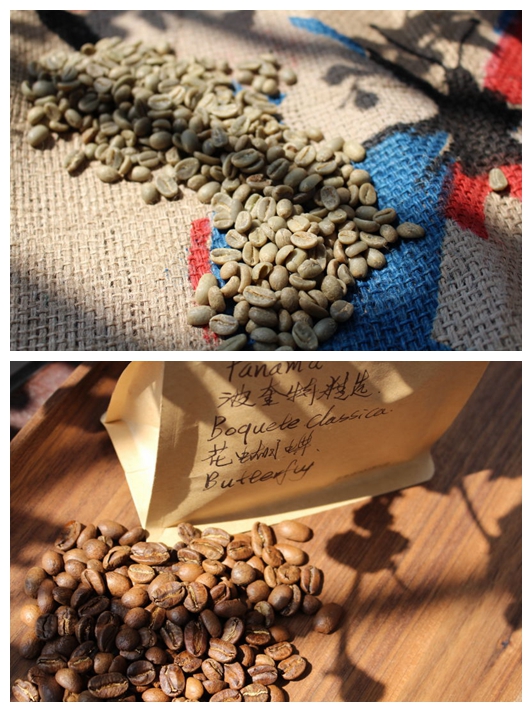
Panama Boquete Butterfly Coffee Beans Breakdown
Learn what makes Panama Boquete Butterfly beans special — with 40% Geisha, volcanic soil, and a complex floral-citrus profile.
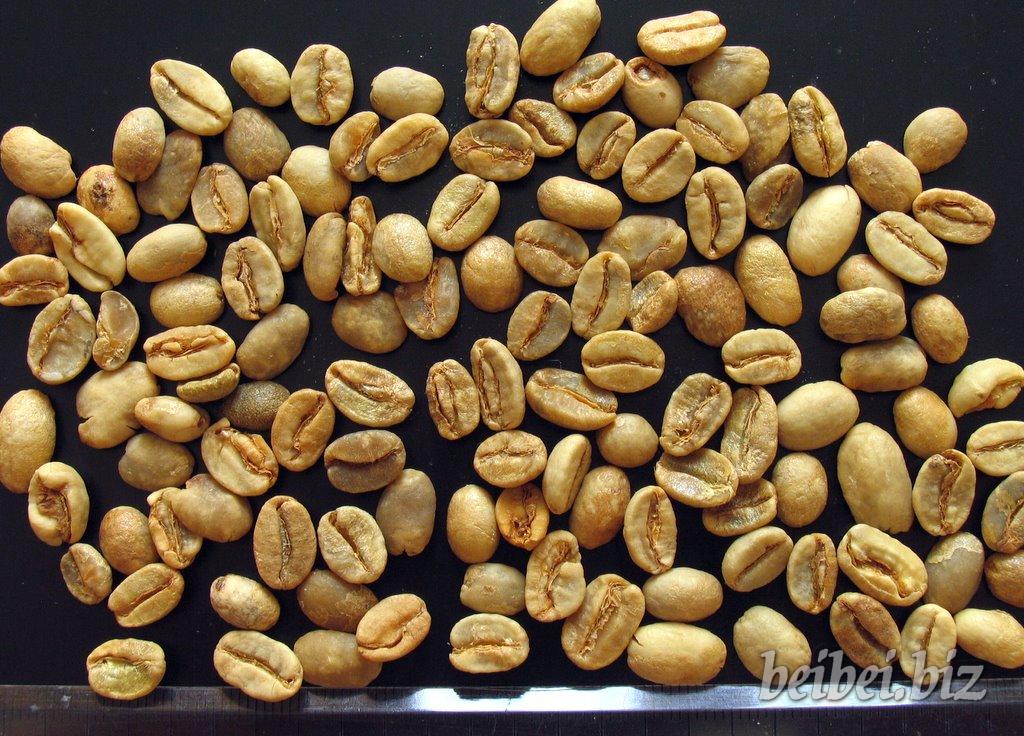
Ethiopian Harar Mocha: Flavor Notes & Roast Impact
Light-roasted Harar mocha shows citrus in siphon brew. Discover its unique traits, grade 5 appearance, and how roast level shapes flavor.