
Coffee Bean
Latest articles, industry insights and brewing guides

India’s Plantation A Coffee: What Makes It Unique
Indian Plantation A coffee is famed for its bold, creamy profile and unique monsooning process. Discover its origins, processing, and flavor traits.

Tanna Coffee: The Volcanic Single Origin From Vanuatu
Grown at the base of an active volcano in Vanuatu, Tanna coffee boasts rich volcanic soil, bright acidity, and sweet depth—here’s why it’s world-class.

What Makes Ethiopian Yirgacheffe Coffee Unique?
Discover why Ethiopian Yirgacheffe coffee is famed for its bright floral notes, juicy citrus acidity, and silky mouthfeel, plus how to brew it perfectly.
What Makes Jamaican Blue Mountain Coffee So Expensive?
Learn why Jamaica Blue Mountain coffee costs so much, from its tiny production area to Japan’s near-monopoly on exports.
What Is Coffee Blending and Why It Matters
Blending coffee balances flavor, ensures consistency, and lowers costs. Learn how roasters craft blends for espresso and beyond.
How to Spot Real Kopi Luwak in Raw Coffee Beans
Identify authentic kopi luwak beans by examining their silvery skin color and checking for intact inner shells—most reliable before roasting.
Bali Single-Origin Robusta: High-Elevation Specialty Beans
A rare Bali-grown Robusta offers intense complexity at $50/kg—here’s why elite roasters seek these ultra-selected beans despite their wild edge.
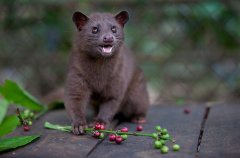
Indonesia’s Kopi Luwak: The World’s Most Expensive Coffee
Kopi Luwak, or civet coffee, sells for over $227 per pound. Learn how it’s made from digested coffee cherries and why it commands such a high price.
What Defines Specialty Coffee Beans and Coffee
Learn the 6 strict criteria for specialty coffee beans and what makes a cup truly 'specialty'—from origin to freshness.
Do Coffee Beans Really Come in Male and Female?
Learn what 'male' and 'female' coffee beans really mean—spoiler: it's not biology. The rare peaberry is often called 'male,' but it's just a fluke of nature.
Why Brazil Produces the World’s Most Coffee
Brazil grows more coffee than any country, thanks to a 1727 gift of Bourbon seeds. Its beans are smooth, sweet, and ideal for espresso blends.
How Brazil Grades Coffee by Taste, Not Altitude
Brazil ranks coffee by cup quality, not elevation. Its 5-tier taste-based system prioritizes flavor over physical traits like bean size.
What Does a Coffee Fruit Actually Look Like?
Most people have only seen roasted or green coffee beans—but the coffee fruit, often called a 'coffee cherry,' looks like a small red berry. Here’s what’s really inside.
Why Colombian Coffee Beans Are So Productive
Colombia produces some of the world’s highest-quality coffee beans, thanks to its ideal climate and high-altitude terrain. Here’s how.
Colombian Coffee Grading: Size Matters Most
Colombian coffee is graded by bean size, not flavor. Supremo (18+ mesh) isn’t inherently better—origin details matter more for quality.
What Are Elephant Bean Coffee Beans?
Elephant beans, or Maragogype, are giant coffee beans up to three times larger than normal. Learn where they come from, how they taste, and why they’re rare.
Jamaica Blue Mountain Coffee Beans Explained
Learn what makes Jamaica Blue Mountain coffee unique, from its strict classification to flavor profile and proper brewing methods.
Major Coffee Bean Origins and Their Flavor Profiles
Explore the key coffee-growing regions and their distinctive single-origin beans, with detailed flavor, grade, and processing traits for informed buying.
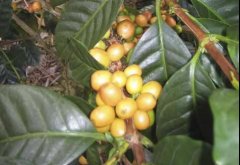
What Is Pacamara Coffee? All About This El Salvador Specialty Bean
Pacamara is a rare hybrid coffee variety from El Salvador, bred in the 1950s from Pacas and Maragogype. Grown 900–1500m high, it produces bold flavours and large beans—when yields allow.
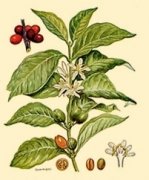
The Four Main Types of Coffee Beans Explained
Discover the four commercial coffee species—Arabica, Robusta, Liberica, and Excelsa—and how they differ in flavor, growing conditions, and global use.