
Specialty Coffee Beans
Latest articles, industry insights and brewing guides

Starbucks Partners with Yunnan Coffee Producer for Local Expansion
Starbucks teams up with Yunnan’s Aini Group to boost high-quality Arabica sourcing and processing in the region.
Yunnan Is Now Starbucks' Sole China Coffee Bean Source
Starbucks sources all its China-grown coffee beans exclusively from Yunnan through a joint venture with local group Aini. This makes Yunnan its only bean region in mainland China.
Pu'er Coffee in Yunnan: China’s Hidden Gem
Pu'er, Yunnan produces 58% of China’s coffee, with cup scores topping 88. Learn why this region aims to be China’s coffee capital.
Sumatran Coffee: What Makes Mandheling Unique?
Sumatran coffee, also called Mandheling, is a bold, earthy Indonesian single origin known for its full body and low acidity. Learn how it's processed and brewed.
Yemeni Coffee History and African Origins of Specialty Coffee
Explore the rich history of Yemeni coffee production, its role in global trade, and how African nations shaped today’s specialty coffee industry.

Indonesian Mandheling Coffee Beans: What Makes Them Unique?
Explore the visual and flavor differences between Indonesian Mandheling and typical Mandheling coffee beans, with images of raw Mandheling from Rasuna.
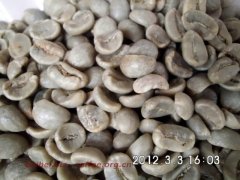
What Do Indonesian Mandheling Coffee Beans Look Like?
See what 2010-harvest Mandheling beans from Indonesia’s Rasuna Lasurena look like, and how they compare to typical Mandheling in appearance.

Indonesia Rasuna Rasanu Mandheling Coffee Beans: 2010 Harvest
Explore the visual and regional traits of 2010-harvest Indonesian Mandheling beans from Rasuna Rasanu, compared to typical Mandheling.
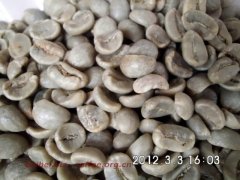
Indonesia Mandheling Coffee Beans: What Makes Them Unique
See how Indonesian Mandheling beans like Rasuna look compared to typical Mandheling. Discover the visual differences and processing origins.

Indonesian Grade 1 Mandheling Coffee Beans
Explore the long-lasting quality of Grade 1 Indonesian Mandheling beans, known for aging well and developing unique flavors over time.

Indonesian Grade 1 Mandheling Coffee Beans Explained
Learn why Indonesian Grade 1 Mandheling coffee beans, like PWN Golden Mandheling, age well and develop unique complexity over time.
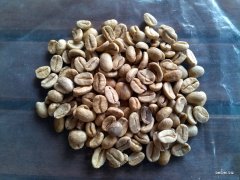
Kopi Luwak Coffee Beans: What to Know About Civet-Arabica Beans
These civet-consumed Arabica beans show dehydration signs and likely predate two years. See what sets kopi luwak apart from regular beans.
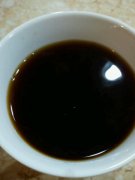
What Is Wahana Mandheling Honey Process Coffee?
A smooth, low-acid Indonesian coffee from Wahana Estate with mild sweetness and no earthy notes—ideal for espresso and pour-over.
Why Jamaica’s Blue Mountain Coffee Farmers Are Struggling
Japanese buyers cutting back on premium Blue Mountain coffee have slashed farmer incomes, while costs soar and global demand shifts.
What Makes Panamanian Coffee So Unique?
Explore Panama’s high-altitude microclimates, volcanic soils, and the famed Geisha variety that make its coffee globally sought after.
Geisha Coffee Beans Fetch Record $66 per Pound
Panama's Esmeralda Geisha beans topped this year’s online auction at $66 per pound, maintaining their status as the world’s most sought-after specialty coffee.
What Is Specialty Coffee? Gourmet and Blue Mountain Explained
Learn what makes specialty coffee like Jamaica Blue Mountain No.1 and Gourmet Cubita stand out. Discover the standards, origins, and flavors behind top-tier beans.
Icatu Coffee: Brazil’s Hybrid Arabica-Robusta Success Story
Learn how Icatu evolved from Robusta-Arabica crosses into a high-performing Brazilian specialty coffee variety with COE recognition.
Wild Robusta vs Farmed Arabica in Kopi Luwak Coffee
Kopi Luwak comes in two main types: wild Robusta from around 1,200m in Indonesia, and farmed Arabica fed to civets at higher altitudes.

Nestlé’s Instant Coffee Made with Premium Yunnan Arabica
Nestlé produces instant coffee using selected high-grade Yunnan small-bean Arabica, grown in China’s Yunnan Province. These beans are part of the region’s premium coffee offering.