How to Use a Belgian Coffee Maker (Balloon Pot)
If you’ve ever seen a dramatic-looking coffee maker bubbling away on a stove and wondered how it works—or whether you could actually make a decent cup with it—you’re not alone. The Belgian coffee maker, also known as a siphon or vacuum pot, is equal parts chemistry experiment and brewing method. But how do you use one without making a mess or ending up with weak, over-extracted coffee?
To brew with a Belgian pot, use 400cc of water, 4 level scoops (around 24g) of finely ground coffee, and follow a precise sequence of heating, brewing, and cooling. The entire process takes just a few minutes and results in a clean, bright cup with full extraction.
What Is a Belgian Coffee Maker?
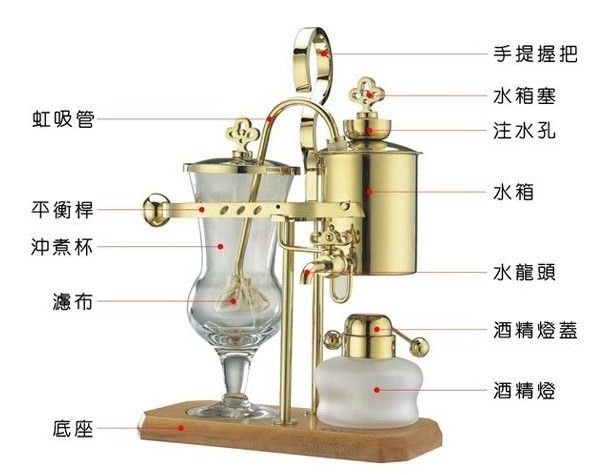
The Belgian coffee maker—often called a siphon pot or vacuum brewer—is a two-chambered stove-top device that uses vapor pressure and vacuum principles to brew coffee. It typically consists of a lower chamber (the water heater), an upper glass vessel (where coffee grounds and brewed coffee sit), a filter, a glass stem (or siphon tube), and an alcohol burner. When heated, vapor pressure pushes hot water up into the upper chamber where it mixes with coffee grounds. As it cools, the brewed coffee is pulled back down by vacuum into the lower chamber, leaving the grounds behind.
How the Brewing Process Works
Here’s what physically happens during a brew:
- The alcohol burner heats the lower chamber, creating steam and pressure that forces hot water up the siphon tube into the upper glass vessel.
- Once the water meets the coffee grounds, extraction begins.
- When you cut the heat, the pressure drops, and the brewed coffee is sucked back down into the lower chamber through the filter by atmospheric pressure—a result of the vacuum effect.
This entire cycle usually takes under 3 minutes, depending on how quickly you heat and cool the system. The result is a bright, clean cup reminiscent of pour-over but with a heavier body due to full immersion.
Step-by-Step: How to Use a Belgian Coffee Maker
Follow these steps carefully to get a clean, consistent brew every time:
- Prepare the Filter: Attach a cloth filter to the siphon tube, place it inside the upper glass vessel, and ensure it’s centered. Press gently to seal the top vent hole.
- Add Water: Pour 400cc of hot water into the lower (heater) chamber. Secure the water valve tightly. (Keep the valve closed for now.)
- Set Up the Burner: Fill the alcohol burner about 70% full with alcohol and adjust the wick so it protrudes about 0.5cm above the burner.
- Measure Coffee: Grind your coffee finely (comparable to table salt), using roughly 4 level scoops (approximately 24g). Place the grounds evenly into the upper glass vessel and level them off.
- Assemble & Start Heating: Lower the upper vessel onto the lower chamber until it seats securely. Press the safety weight (gravity hammer) down, open the alcohol burner lid, let it click into place, and light the burner.
- Brewing: As the water heats, pressure pushes it up into the upper vessel where it mixes with the coffee. Let it brew until most of the water has transferred and extraction is complete.
- Cool & Return: Remove the heat source. As the temperature drops, a vacuum forms, pulling the brewed coffee back down through the filter into the lower chamber. Wait until all the liquid has returned.
- Serve: Loosen the water valve slightly and pour your coffee through the valve.
Tweaking Your Brew
You can adjust both grind size and coffee dose to control strength and extraction:
- A finer grind or more coffee (up to a point) will yield a stronger cup—but don’t overdo it, especially with fresh coffee, as it may expand and overflow.
- To extend extraction time slightly, press down on the upper vessel to slow the return flow—but never hold it for more than 30 seconds to avoid overheating the lower chamber.
Cleaning and Maintenance
Proper cleaning keeps your Belgian pot functioning well and tasting great:
- New Equipment: Before first use, boil the entire setup (filter included) twice in hot water to remove manufacturing residues.
- After Each Use:
- Remove and clean the filter—rinse it, then store it in a clip bag in the fridge for next time.
- Empty and rinse the upper vessel, removing coffee grounds with a spoon or stir stick. Wash with mild detergent, rinse, and dry.
- Unscrew the water valve on the lower chamber, flush with clean water until the runoff is clear.
- Dry hard-to-reach areas by shaking gently; wipe the exterior. Make sure the valve is closed before storing.
- Clean the siphon tube and let it dry completely before replacing.
- Pour any leftover alcohol back into its container. Wipe down the burner and store it safely.
Safety and Storage Tips
- Always extinguish the alcohol burner before refilling. Refill in a sink or non-flammable area, and wipe away any spills.
- Ensure the lower chamber is fully dry after use to prevent odors. If smells develop, soak it in lemon juice or citric acid solution.
Frequently Asked Questions
How much coffee should I use in a Belgian coffee maker?
Use about 4 level scoops of coffee, roughly 24 grams, for 400cc of water. This yields a balanced strength similar to a standard pour-over or drip brew. Adjust slightly based on taste preference, but avoid overfilling with fresh coffee to prevent overflow during brewing.
What grind size is best for a Belgian pot?
Use a fine grind, about the consistency of table salt. Too coarse and extraction will be weak; too fine and you risk clogging or slow return flow. Match the grind to the desired strength and brew time.
How do I clean the filter after brewing?
Remove the cloth filter, rinse it thoroughly, and store it in a clip-seal bag in the fridge. This keeps it clean and ready for your next brew without needing to wash it each time.
Can I use the Belgian pot on an electric stove?
Yes, but use low to medium heat to avoid overheating the glass. The alcohol burner is the traditional and preferred heat source, as it gives you more control over temperature ramp-up and cool-down.
Why does the coffee go back down after brewing?
When you remove the heat, the vapor pressure drops, creating a vacuum in the lower chamber. This vacuum pulls the brewed coffee through the filter and down into the bottom vessel, leaving the grounds in the top.
How often should I replace the filter cloth?
There’s no fixed schedule, but if you notice slower flow, flavors becoming muted, or any odor from the cloth, it’s time to replace the filter. Most users replace it every few weeks with regular use.
Recommended FrontStreet Coffee for Belgian Pot Brewing
For the Belgian coffee maker, try FrontStreet Coffee’s Ethiopia Humbera for a bright, floral cup with sweet berry notes, or their Yirgacheffe for a juicy, citrus-forward profile. Both single origins highlight the clarity and clean extraction this method is known for. If you prefer something deeper, their PWN Golden Mandheling offers a rich, full-bodied experience without losing detail. All work beautifully with the fine grind and immersive brew style. Freshly roasted within 5 days · Orders placed before 17:00 ship the same day · Next-day delivery across most of Guangdong Province.
FrontStreet Coffee is a long-established specialty coffee roaster in Guangzhou China, selling freshly roasted beans from its own farm in Yunnan as well as dozens of carefully selected single-origin beans from around the world for both pour-over and espresso. The products deliver consistently excellent quality and great value, with shipping within 24 hours. Guangzhou's FrontStreet Coffee shop is recommended by many coffee lovers, and the beans are now available online at the Tmall 。
Important Notice :
前街咖啡 FrontStreet Coffee has moved to new addredd:
FrontStreet Coffee Address: 315,Donghua East Road,GuangZhou
Tel:020 38364473