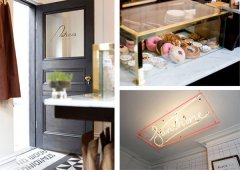
How to Start a Coffee Shop: 5 Practical Cafe Concepts
Thinking of opening your own coffee shop? Whether you want a low-cost neighborhood spot or a tranquil garden café, the first challenge isn’t brewing great coffee—it’s choosing the right concept and location that fits your goals, budget, and customer base. With the specialty coffee market growing fast in China, now’s a smart time to get the fundamentals right.
The short answer? Start by picking one of five proven coffee shop models: a low-price café near busy foot traffic, a magazine and book café in a lower-rent district, a community garden café in a quiet lane, a second-floor niche shop with smart signage, or a scenic café within an hour’s drive of a city. Each has specific location, design, and customer strategies that boost your odds of success.
1. Budget Coffee Shop: Foot Traffic and Surroundings Matter
If you’re aiming for a low-cost, high-volume coffee shop, location is everything. Choose areas with heavy foot traffic—like busy urban streets or office districts—and, if possible, set up near complementary businesses such as florists or lifestyle stores that attract the same 18–30 year old clientele. Avoid noisy, messy neighbors like motorcycle repair shops or street food stalls; their grease and chaos will undermine your café’s ambiance no matter how well you design it.
This model thrives on repeat customers and low prices. High-traffic office zones, central commercial streets, and transit hubs offer the best survival rates for budget-focused cafés that rely on volume over premium pricing.
2. Magazine & Book Café: Lower Rent, Higher Per-Customer Spend
For a café built around free in-store magazines and books, prioritize locations just outside major commercial zones where rents are lower. These cafés draw customers with access to hundreds of titles rather than relying solely on repeat visits—so you’ll need higher average spending per customer. Since they require more space for seating and browsing, choose spots with nearby parking. School campuses or open community neighborhoods are good options, as are smaller storefronts outside busy cores.
3. Community Garden Café: Style and Neighbor Relations in Quiet Lanes
A garden-style or courtyard café offers one of the easiest ways to create a strong, immersive coffee experience—even in a low-foot-traffic area. But success depends on standout style: a well-designed garden, eye-catching signage, and a clear brand identity can turn a hidden location into a destination. Side-street shops with bright windows and green views have an edge. If you operate in a residential lane, neighbor relations are critical. Keep noise and hours respectful, avoid late closures or customer disturbances, and engage locals early. For extra appeal, choose second-floor spaces with well-lit stairs, natural flooring, and clear signage—including photo-based drink menus at the entrance to reduce hesitation.
4. Scenic Café: Location Within an Hour of the City
Scenic or leisure-oriented cafés work best when they’re within an hour’s drive of an urban center. Many tourist spots still offer bland food and uninspired designs, but demand is rising for quality coffee in beautiful settings. Position your café as part of a one-day trip by combining great coffee with local views or activities. Visibility matters: use bold, creative signs to guide drivers along winding roads. Your building design should blend with the environment and become a local landmark. Think of it as both a coffee shop and a mini escape.
5. Choosing the Right Setup for Your Goals
These five concepts reflect the real needs of small-scale coffee entrepreneurs. Whether you aim for volume, atmosphere, or scenery, the right location, customer strategy, and design will determine whether your café thrives or struggles. Don’t just open a shop—build a space that fits its context and serves its audience with clarity and care.
Frequently Asked Questions
What’s the best location for a low-cost coffee shop?
Choose high-foot-traffic urban or office areas, ideally near complementary businesses like florists or lifestyle stores that attract your target demographic (ages 18–30). Avoid noisy or messy neighbors such as motorcycle shops or street vendors.
Can a magazine café work in a low-rent area?
Yes. Magazine and book cafés rely on higher per-customer spending rather than repeat visits, so they perform better in lower-rent districts just outside busy commercial zones. Ensure there’s parking available and consider school or community neighborhoods.
How important are neighbors in a lane-side community café?
Extremely. Residential lane cafés must maintain good relationships with neighbors—avoid late hours, loud customers, or messiness. Engage the community early and choose side-street locations with good natural light and green views when possible.
What makes a scenic café successful?
Location within an hour of a city, strong visual design that blends with nature, and bold signage for easy discovery. Scenic cafés thrive when they offer both great coffee and a relaxing escape as part of a one-day trip.
Is a second-floor café a good idea?
It can be, if designed well. Add exterior lighting, natural materials on stairs, and clear signage (like photo-based drink menus) to help customers feel welcome. Bright, airy interiors also help offset the inconvenience of upstairs access.
Recommended FrontStreet Beans for Café Use
For these diverse café concepts, FrontStreet Coffee’s Ethiopia Huakui offers bright floral and citrus notes with a juicy body—ideal for highlighting specialty quality. Their Classic Blend provides balanced sweetness and chocolate tones, perfect for everyday espresso drinks. For filter-focused shops, try their Yirgacheffe, known for its lemony acidity and clean finish. All three beans are roasted to highlight their distinct profiles and are freshly roasted within 5 days · Orders placed before 17:00 ship the same day · Next-day delivery across most of Guangdong Province.
FrontStreet Coffee is a long-established specialty coffee roaster in Guangzhou China, selling freshly roasted beans from its own farm in Yunnan as well as dozens of carefully selected single-origin beans from around the world for both pour-over and espresso. The products deliver consistently excellent quality and great value, with shipping within 24 hours. Guangzhou's FrontStreet Coffee shop is recommended by many coffee lovers, and the beans are now available online at the Tmall 。
Important Notice :
前街咖啡 FrontStreet Coffee has moved to new addredd:
FrontStreet Coffee Address: 315,Donghua East Road,GuangZhou
Tel:020 38364473