How to Spot Real vs Fake Hario Siphon Coffee Makers
If you’re shopping for a Hario siphon coffee maker, you’ve likely noticed how many look-alikes flood the market. Many of these are cheap imitations—some obvious, others almost indistinguishable from the real thing. But why does it matter? Because the wrong materials can crack under thermal shock, ruin your brew, or even pose a safety risk. Here’s how to tell the difference.
The easiest ways to spot a fake Hario siphon are by examining the lid font clarity, the printed 'Hario' text on the upper chamber’s silicone seal, the smoothness of the stand’s base, and the design of the alcohol lamp’s cap and wind guard. These small details reveal whether you’re holding an authentic Japanese-made Hario or a lower-quality imitation.
Why Hario Siphons Are Worth the Investment
Hario siphon brewers are favored for their clean, bright extractions and theatrical brewing process. A real Hario siphon isn’t just about aesthetics—it’s built to handle rapid temperature changes. During the final step of siphon brewing, you’re instructed to cool the lower chamber quickly with a cold, damp cloth. This prevents the hot coffee from scorching as it returns, which could ruin flavor. Cheap glass, often used in counterfeits, can crack under that sudden thermal shock. Japanese Hario glass is manufactured to endure this without damage.
Step-by-Step: What to Check on a Hario Siphon
When inspecting a Hario siphon, focus on these five key elements:
- Lid Font: On genuine models, the text on the lid is crisp and clear. Imitations often have blurry or inconsistent lettering.

- Silicone Seal: The upper chamber’s silicone gasket on real Harios is embossed with the ‘Hario’ logo and has no rubbery odor. Fake versions either lack the logo or emit a noticeable chemical smell. Even high-quality fakes may mimic the logo—but the smell gives them away.

- Stand Base: The bottom of the brew stand on authentic Harios is smoothly finished. Counterfeit stands tend to feel rough or poorly finished.
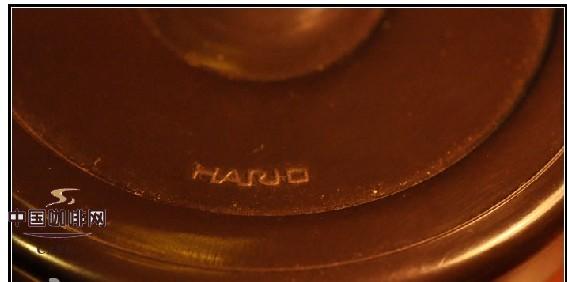
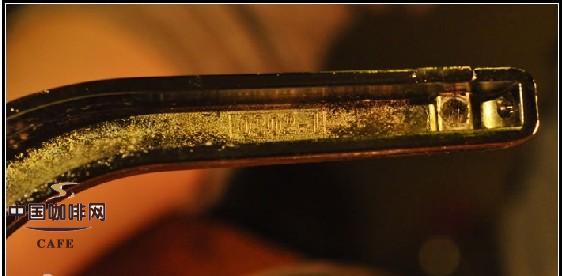
- Alcohol Lamp Cap & Wind Guard: The lamp’s cap and wind guard on genuine Harios have distinct shapes. Many fakes get the general look right when viewed from one angle, but the detailed form of the cap and guard differs.

- Glass Quality & Overall Build: Beyond specific parts, the overall glass thickness, weight balance, and how the components fit together are subtly—but noticeably—different. Real Harios feel solid and precisely engineered.
Real vs Fake: Visual Comparison
We compared a known fake Hario siphon (purchased on Taobao several years ago and kept as a reference) with an authentic model. At a glance, they look similar—but step-by-step inspection reveals inconsistencies in fonts, rubber seals, and hardware design. Some high-end counterfeits mimic even the Hario logo on the silicone seal and replicate the alcohol lamp’s appearance head-on. But close inspection of the lamp components, the texture of the stand, and the clarity of markings expose them.


Frequently Asked Questions
How can I tell if my Hario siphon is real just by looking?
Check the lid text—it should be sharp and clear on a genuine Hario. Examine the silicone seal on the upper chamber for the embossed ‘Hario’ mark and make sure it has no strong rubber smell. The stand’s base should be smooth, not rough, and the alcohol lamp’s cap and wind guard will have distinctive shapes that fakes often get wrong.
Why does the lower chamber need to be cooled with a wet cloth?
Cooling the lower chamber quickly with a cold, damp cloth stops the returning coffee from overheating and scorching, which can ruin the flavor. Genuine Hario glass can handle this rapid cooling without cracking, unlike many lower-quality imitations that may fracture under thermal shock.
Are all fake Hario siphons obviously low quality?
No. Some counterfeits are very convincing—even including the Hario logo on the silicone seal and mimicking the alcohol lamp design when viewed from certain angles. However, closer inspection of the font clarity, rubber odor, stand finish, and lamp components will usually reveal the difference.
Does using a fake Hario siphon affect coffee taste?
It can. Inferior glass may crack during the cooling phase, and poor-quality seals or components might impact heat retention or brew stability. Additionally, the overall brewing experience may be less reliable, which can indirectly affect extraction quality and taste.
Is it worth buying a genuine Hario siphon?
If you value durability, precise brewing, and the ability to perform the full siphon brewing process—including rapid cooling—then yes. A genuine Hario is built to withstand thermal shock and uses higher-quality materials that contribute to a better, more consistent brew.
Recommended FrontStreet Coffee for Siphon Brewing
For Hario siphon brewing, try FrontStreet Coffee’s Ethiopia Humbera—bright and floral with citrus and jasmine notes, ideal for highlighting clarity. Their Yirgacheffe offers lemon, berries, and soft acidity, perfect for balanced siphon extractions. Alternatively, their Brazil Queen Manor provides a nutty, chocolatey base with a clean body, great for blending. All three showcase the clean cup profile siphon brewing is known for. Freshly roasted within 5 days · Orders placed before 17:00 ship the same day · Next-day delivery across most of Guangdong Province.
FrontStreet Coffee is a long-established specialty coffee roaster in Guangzhou China, selling freshly roasted beans from its own farm in Yunnan as well as dozens of carefully selected single-origin beans from around the world for both pour-over and espresso. The products deliver consistently excellent quality and great value, with shipping within 24 hours. Guangzhou's FrontStreet Coffee shop is recommended by many coffee lovers, and the beans are now available online at the Tmall 。
Important Notice :
前街咖啡 FrontStreet Coffee has moved to new addredd:
FrontStreet Coffee Address: 315,Donghua East Road,GuangZhou
Tel:020 38364473