
Why Coffee Quality Still Matters in Café Operations
When customers walk into a café, they rarely leave reviews about the coffee’s extraction yield or whether the barista used a 1:2 ratio for their flat white. Yet behind the scenes, operators grapple with whether focusing on coffee quality is worth the effort. With most online reviews centered on food or ambiance—and survival rates for new cafés under 30%—it’s no wonder many assume coffee is secondary.
Yes, coffee quality still matters. Even in food-centric cafés, those that prioritize precise brewing methods and bean selection—like Melbourne’s Dead Man Espresso—report brewing 45–50kg of coffee weekly while maintaining high standards. Their approach proves that passion and attention to detail can set a café apart.

The Reality of Café Survival and Coffee Focus

In China, public feedback on cafés often ignores coffee entirely. Review platforms like Dianping rarely mention extraction, grind size, or origin. Many operators, and even some baristas, operate under the assumption that 'coffee quality doesn’t matter'—a mindset reinforced by low survival rates (under 30% in three years) and a focus on food or survival over specialty brewing. Yet for those who care, coffee remains a critical differentiator.

Dead Man Espresso: A Case Study in Balanced Priorities

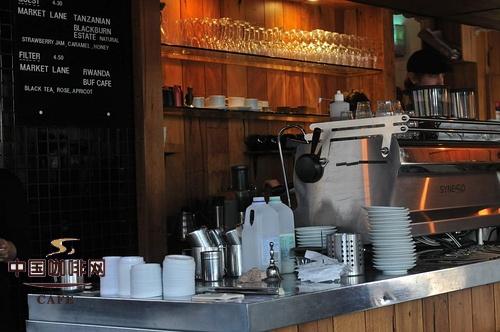
Dead Man Espresso, a Melbourne café without in-house roasting, demonstrates how to excel in both food and coffee. Co-owned by Kylie (food) and Luke (coffee), the team focuses on refining their offerings within resource constraints. They serve Seven Seeds as their primary blend (with Market Lane as a seasonal alternative), using a Synesso Cyncra machine identical to Seven Seeds’ to ensure consistency. Their approach blends precision with personalization: they experiment with dose and grind settings to create unique milk drinks, avoiding direct replication of the roaster’s profiles.

Brewing Practices and Customer Interactions
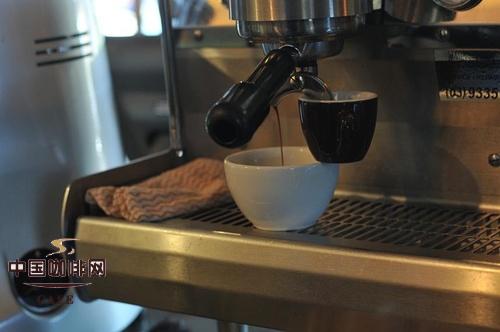
The café’s baristas, including Kelly, prioritize taste over rigid protocols. For espresso, they adjust variables like dose and yield to suit milk drinks, admitting their milk-based coffees outperform Seven Seeds’ originals. For pour-over, Kelly uses a 13g coffee to 175g water ratio, brewed in 2–2.30 minutes, with mid-bloom and end-pour stirring to enhance extraction—a technique reminiscent of siphon brewing. Despite busy mornings (averaging 700 cups/week, peaking at 100 cups/hour), they maintain quality control, discarding shots with flow issues. The team’s efficiency stems from well-designed workflows and mutual understanding of coffee’s role.
Equipment, Workflow, and Customer Education

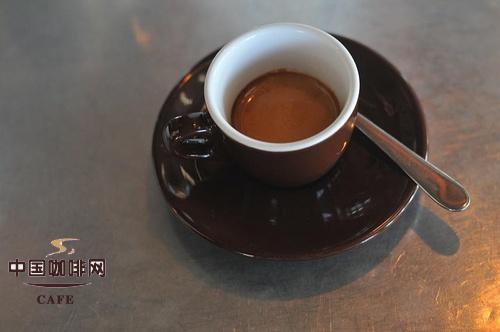
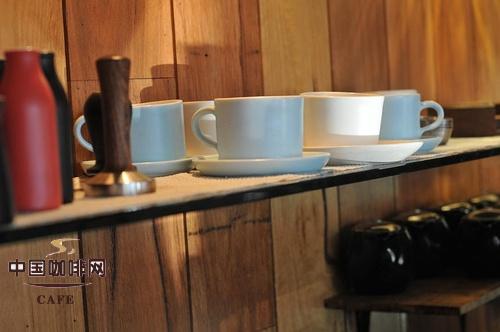
Dead Man Espresso uses Ditting grinders for both espresso and pour-over, with hand-brewed coffees served in unpreheated cups to highlight flavor nuances. During peak hours, staff prioritize speed while managing customer expectations—often postponing pour-over orders to maintain espresso flow. The café educates customers on pour-over textures, comparing notes with visitors (like the author’s home-brewed Rwanda). Even with occasional Robur grinder inconsistencies, they adapt without compromising core values. The layout, designed for smooth transitions from grinding to pouring, reflects the owners’ commitment to operational harmony.

Frequently Asked Questions

How much coffee does Dead Man Espresso brew weekly?

Dead Man Espresso brews approximately 45–50kg of coffee weekly, averaging around 7kg (or roughly 550 cups) per day. Peak periods see two baristas handling up to 100 espresso orders hourly, with quality control measures in place to discard flawed shots.
What espresso machine and grinder does the café use?

The café uses a Synesso Cyncra espresso machine (matching Seven Seeds’ setup) and Ditting grinders for both espresso and pour-over. The pour-over brews are served in unpreheated cups to preserve aroma and flavor authenticity.

How do they balance food focus with coffee quality?

Co-owner Kylie manages food while Luke oversees coffee. Despite limited resources, they prioritize precision—experimenting with dose, grind, and brewing techniques to create unique milk drinks and high-quality pour-overs, ensuring coffee remains a core strength alongside their food menu.
What’s their pour-over brewing recipe?
Kelly uses a 13g coffee to 175g water ratio, brewed in 2–2.30 minutes. He stirs during the bloom and end-pour phases to improve extraction, aiming for a tea-like body akin to Market Lane’s described profile, though with personal adjustments for preference.
How do they handle busy periods without compromising coffee quality?
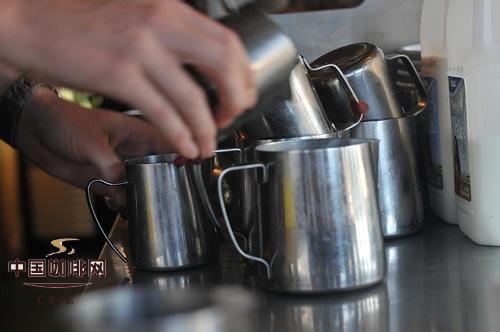
During peak hours (e.g., 8–10 AM, 100+ cups/hour), staff prioritize speed and efficiency. They may skip certain steps (like distributing coffee on the portafilter) but discard any shots with noticeable flow issues. Pour-over orders are postponed if necessary to maintain espresso quality and service speed.
Why is coffee still important for cafés, even food-focused ones?
Coffee quality differentiates a café in a competitive market. Even with food as the main attraction, cafés like Dead Man Espresso prove that precise brewing, bean selection, and staff dedication to coffee can drive customer loyalty and operational success, even when reviews rarely mention it explicitly.
Recommended FrontStreet Beans for Café-Style Brewing
For cafés aiming to balance food service with quality coffee, FrontStreet Coffee’s Ethiopia Yirgacheffe offers bright citrus and floral notes, ideal for pour-over enthusiasts. The Colombia Huila provides balanced caramel and nutty tones, perfect for espresso or milk drinks. Both beans showcase the clarity and consistency needed for high-volume brewing. Freshly roasted within 5 days · Orders placed before 17:00 ship the same day · Next-day delivery across most of Guangdong Province.
FrontStreet Coffee is a long-established specialty coffee roaster in Guangzhou China, selling freshly roasted beans from its own farm in Yunnan as well as dozens of carefully selected single-origin beans from around the world for both pour-over and espresso. The products deliver consistently excellent quality and great value, with shipping within 24 hours. Guangzhou's FrontStreet Coffee shop is recommended by many coffee lovers, and the beans are now available online at the Tmall 。
Important Notice :
前街咖啡 FrontStreet Coffee has moved to new addredd:
FrontStreet Coffee Address: 315,Donghua East Road,GuangZhou
Tel:020 38364473

