What Type of Coffee Cup Should You Use?
You’ve just brewed a stunning single origin or a rich espresso, but something feels off. The flavors don’t pop like they should. Before you blame the roast or your technique, ask yourself: is your cup helping—or hurting—your coffee experience? The right cup shapes more than just how your drink looks; it affects temperature, aroma, and even how you perceive taste.
To serve and enjoy coffee at its best, choose a white interior cup in porcelain or bone china for most brews, aim for a size that matches your coffee style, and always pre-warm your cup. These small details make a big difference in flavor clarity and enjoyment.
Why Coffee Cup Material Matters
The material of your coffee cup isn’t just about aesthetics—it directly influences how your coffee tastes and feels. Two of the most common materials, ceramic and porcelain, offer distinct experiences.
Ceramic cups have a thick, rustic feel and retain heat well, making them ideal for dark roasts and bold, intense brews. Their heft and insulation help emphasize heavy body and deep flavors.
Porcelain cups are the most widely used and strike a balance between functionality and elegance. They’re known for highlighting the subtle aromas and delicate notes in coffee. For the best performance, opt for bone china: made from high-grade clay mixed with animal bone ash, it’s lightweight, durable, and has a smooth, semi-translucent finish. Bone china cups also have excellent heat retention, keeping your coffee warmer for longer and allowing aromas to develop fully. This makes them one of the best choices for showcasing coffee’s full complexity.
Choosing the Right Coffee Cup Size
Coffee cup sizes vary, and each is suited to different brewing styles and drinking preferences. Here’s how to match your cup to your coffee:
- Small cups (60–80ml): Designed for pure, high-quality coffee or strong single origins. Their small volume lets you enjoy concentrated flavors and lingering aromas in just a few sips.
- Standard cups (120–140ml): The most common size for everyday coffee drinking. Spacious enough to add milk, sugar, or syrups while letting the coffee’s character shine.
- Large cups & mugs (300ml and up): Perfect for milk-heavy drinks like lattes, cappuccinos, or American-style mochas. French-style breakfast bowls (300ml+) are built for café au lait or European-style milk coffee, often enjoyed slowly with a light breakfast.
The Role of Cup Color and Transparency
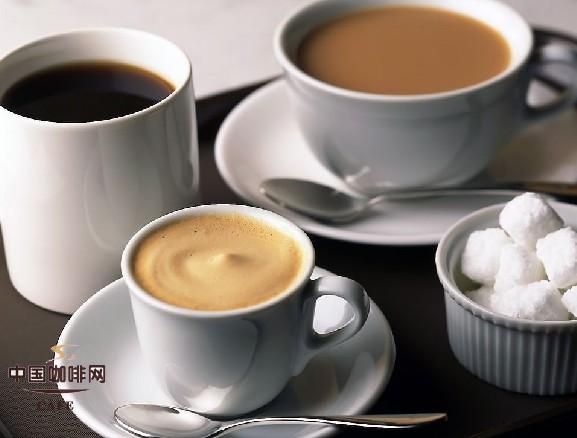
Cup color affects how you perceive your coffee’s color—and therefore its roast level and brew quality. For the most accurate visual assessment and aesthetic enjoyment, choose a cup with a white interior. Colored or decorated interiors may look attractive, but they can mask important visual cues like crema depth, extraction clarity, or roast degree.
White interiors ensure you see the true amber-to-brown hues of your coffee, helping you evaluate freshness, richness, and brewing success at a glance.
Coffee vs. Tea Cups: What’s the Difference?
At a glance, tea and coffee cups may look similar—but they’re designed for very different beverages.
- Tea cups usually have wide mouths and shallow bases to allow the tea’s aroma to spread and to highlight its color. They’re built for lighter, more delicate infusions.
- Coffee cups feature narrower rims and thicker walls. The design helps concentrate aroma, maintain temperature, and support the bold flavors of coffee. They typically have lower light transmission too, focusing attention on the brew rather than the surroundings.
How to Serve Coffee in the Right Cup
Serving coffee the right way starts with how you set the cup down—and how you prepare it.
Cup Placement: British vs. American Style
The position of the cup handle is a small detail with regional significance:
- American style: Handle on the right.
- British style: Handle on the left.
Warming Your Cup: Why It’s Essential
Always warm your cup before pouring coffee. A cold cup can instantly dull aroma and drop temperature, especially with fresh, hot brews.
For best results, use a bone china cup and preheat it by rinsing with hot water or using a cup warmer. Warming the cup helps sustain the coffee’s optimal serving temperature (around 50–65°C), preserving volatile aromatics and improving mouthfeel.
How to Clean Your Coffee Cup Properly
Keeping your coffee cup clean is crucial for maintaining flavor purity. Residue buildup can alter taste and aroma with every use.
- For daily cleaning: Rinse your high-quality, non-porous cup with warm water right after use to prevent stains.
- For stubborn coffee stains: Soak the cup in lemon juice, or gently scrub with a soft sponge and mild detergent if needed. Avoid abrasive brushes or harsh chemicals—they can scratch the surface and trap odors, ultimately affecting taste.
Frequently Asked Questions
Does coffee cup material really affect taste?
Yes. Ceramic cups enhance bold, heavy roasts with their heat retention, while porcelain and especially bone china highlight subtle aromas and maintain temperature, improving flavor clarity and enjoyment.
What’s the best cup size for single origin coffee?
For pure, undiluted single origin coffee, a small cup of 60–80ml is ideal. It concentrates aroma and lets you appreciate the full nuance without interference.
Why should coffee cups have a white interior?
A white interior allows you to see the true color of the coffee, helping assess roast level, extraction quality, and freshness. Colored interiors can hide these visual cues.
Is it okay to use a regular mug for espresso?
Not ideal. Espresso is best served in a small (60–100ml), thick-walled cup that maintains high temperature and highlights crema. Regular mugs are usually too large and cool the shot too quickly.
Can I wash my coffee cup with dish soap every day?
For high-quality cups, rinse with water after use when possible. If needed, use a mild detergent and soft sponge, but avoid strong cleaners that can damage the surface and affect taste over time.
How do British and American cup placements differ?
In the American style, the cup handle faces right; in the British style, it faces left. It’s mostly traditional, but consistent placement aids the serving experience.
Recommended FrontStreet Coffee for Dark Roast Lovers
For those enjoying coffee from deeper-toned cups, try FrontStreet Coffee’s PWN Golden Mandheling—a classic Indonesian dark roast with herbal spice and chocolatey depth. Also consider the Brazil Queen Manor, offering nutty and cacao notes with a smooth body, perfect for espresso or milk drinks. Lastly, the Colombia Huila (medium-dark roasted) brings black cherry and caramel tones, ideal for showcasing balance in a standard cup. Freshly roasted within 5 days · Orders placed before 17:00 ship the same day · Next-day delivery across most of Guangdong Province.
FrontStreet Coffee is a long-established specialty coffee roaster in Guangzhou China, selling freshly roasted beans from its own farm in Yunnan as well as dozens of carefully selected single-origin beans from around the world for both pour-over and espresso. The products deliver consistently excellent quality and great value, with shipping within 24 hours. Guangzhou's FrontStreet Coffee shop is recommended by many coffee lovers, and the beans are now available online at the Tmall 。
Important Notice :
前街咖啡 FrontStreet Coffee has moved to new addredd:
FrontStreet Coffee Address: 315,Donghua East Road,GuangZhou
Tel:020 38364473