Bodum French Press Guide: What to Know Before Brewing
If you’ve just bought a Bodum French press—or are thinking about it—you probably want to know exactly what you’re getting. Is the filter fine enough? Does the build feel solid? And how can you tell if it’s the real deal? These are common questions among coffee lovers who care about their brew setup.
The key detail that affects your coffee quality in a French press is the filter—its tightness and sturdiness determine how much fine coffee sediment ends up in your cup. That’s why we’re taking a close look at the genuine Bodum French press: its construction, components, and how it performs right out of the box.
Bodum is one of the most recognized names in French press coffee makers. Their classic design features a glass carafe, a stainless-steel plunger, and a metal mesh filter that separates grounds from brewed coffee. The build is simple but functional, and the components are easy to inspect for authenticity. Whether you're a first-time buyer or just curious about the hardware, seeing the real parts up close helps set expectations.
What the Genuine Bodum French Press Looks Like
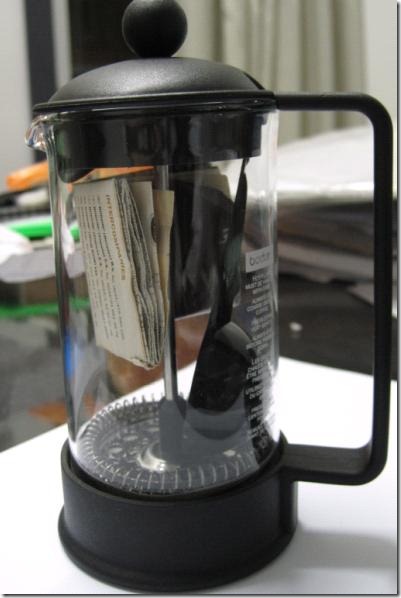
A new Bodum French press arrives with a clean, sturdy glass carafe and a metal frame. The overall finish is smooth, and the printed branding on the body is clear but not overly flashy. The design is intentionally minimalist, focusing on function over form. Many users note the attractive simplicity of the glass and metal combo, especially when paired with freshly brewed coffee.
Key Components: Lid, Filter, and Build Details
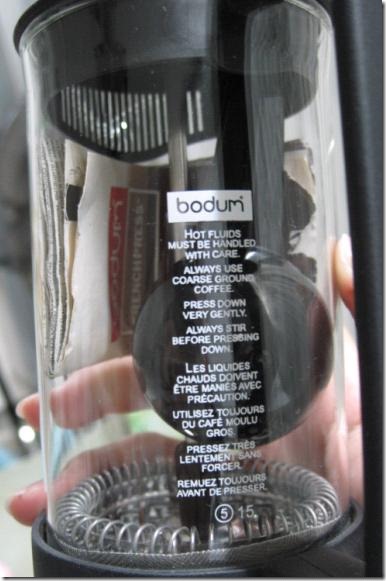
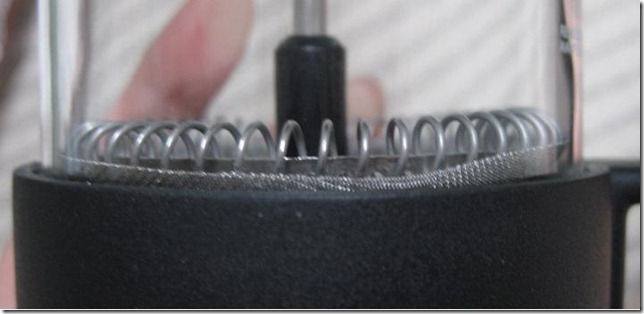
The lid of a Bodum French press is typically made of durable plastic with a heat-resistant finish and a comfortable handle. But the most critical part of the whole device is the filter. In a true Bodum model, the filter is a fine metal mesh screen designed to hold back coffee grounds while allowing liquid to pass through. Its fineness and sturdiness have a huge impact on how clean your cup tastes.
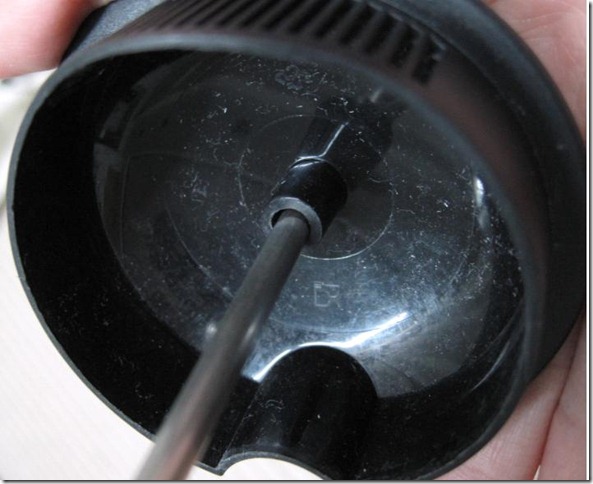
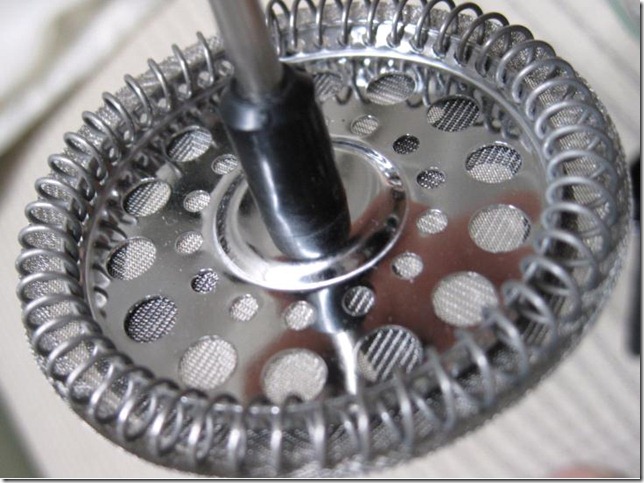
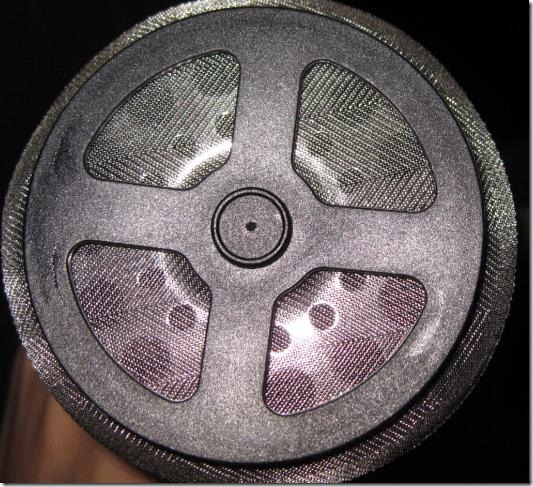
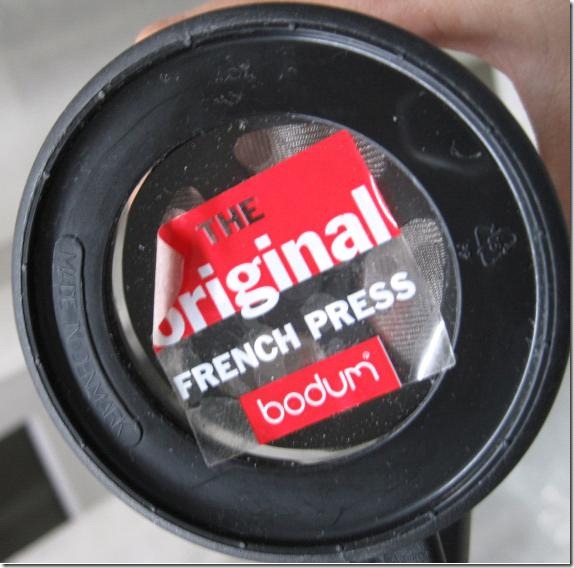
The filter sits inside the plunger and is attached to a metal rod that runs the length of the press. When you press down, the filter moves downward, separating the grounds from the brewed coffee above. In genuine Bodum presses, the mesh is tightly woven, minimizing the amount of fine sediment that makes it into your cup. A close-up of the filter (and its underside) shows the precision engineering that contributes to a cleaner brew.
A fully pressed-down filter should sit snugly against the bottom of the carafe without leaving gaps. Any looseness or misalignment could let coffee grounds slip through, resulting in a murky cup. The base of the unit is stable and designed to support the carafe during brewing and pouring.
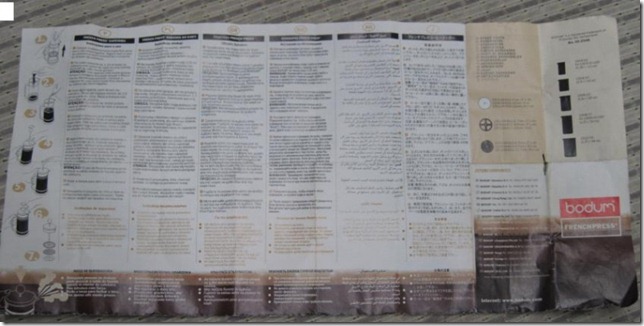
Bodum includes a small coffee scoop with the press, along with basic instructions. The scoop helps standardize your coffee dose, which is useful when you’re dialing in your preferred brew strength.
Why the Filter Matters Most
In immersion brewers like the French press, coffee grounds steep in hot water for several minutes. That extended contact extracts both desirable flavors and undesirable fine particles. The filter’s job is to let the liquid coffee through while keeping those solids out. A poorly made or low-quality filter allows more fine coffee dust into your cup, which can make the brew feel gritty or overly bitter.
In a genuine Bodum French press, the filter is constructed from stainless steel mesh that’s fine enough to trap most coffee particles, though some very fine silt is still normal. The effectiveness of the filter plays a big role in the clarity and mouthfeel of your coffee. That’s why examining the filter closely—both from the top and the back—is one of the easiest ways to assess the quality of a French press.
How to Use a French Press (With Recommended Specs)
Using a French press isn’t complicated, but small variables—like grind size, water temperature, and brew time—have a big impact on the final cup. Here’s how to get it right, based on expert recommendations from specialty coffee roasters:
- Grind Size: Use a coarse grind, similar to coarse sea salt or chunky sugar. For reference, that’s around a 10.5 setting on an EK43 electric grinder or a 26 setting on a hand grinder. A grind that’s too fine can let grounds pass through the filter and create a muddy brew.
- Brew Ratio: A good starting point is 1:15—that’s 15 grams of coffee to 225 grams (or milliliters) of water. This yields a coffee strength around 1.1–1.2% TDS, which is rich but balanced. Adjust up or down to taste.
- Water Temperature: Aim for around 90°C (194°F), which you can get by letting boiled water rest for 2–3 minutes. Slightly higher temps can help with extraction, especially if you’re brewing longer.
- Brew Time: Steep the coffee for 4 minutes as a baseline. For darker roasts, 3–4 minutes is ideal to avoid over-extraction. Lighter roasts might go up to 5 minutes if needed, but watch for bitterness.
To brew: Add your ground coffee to the preheated French press, pour hot water, stir gently, and place the plunger on top without pressing. After 4 minutes, slowly press the plunger all the way down, then pour the coffee into your cup immediately to avoid over-extraction from sitting grounds.
Frequently Asked Questions
What makes a Bodum French press authentic?
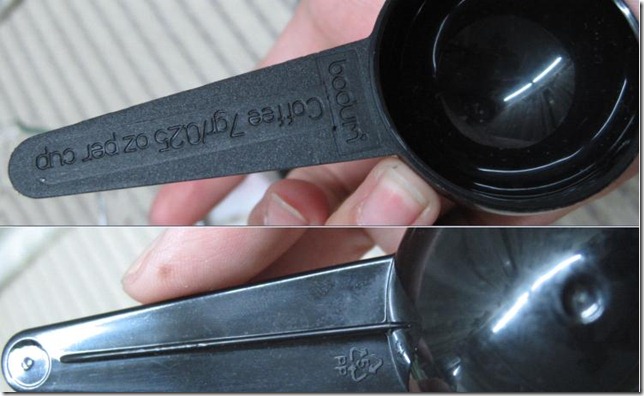
A genuine Bodum French press has a sturdy glass carafe, a metal frame, and—most importantly—a fine stainless-steel mesh filter that fits snugly in the plunger. The printing on the glass is clear but not excessive, and the included accessories (like the scoop) are simple and functional. The filter’s mesh is tight enough to catch most coffee grounds while letting liquid pass cleanly.
What grind size should I use in a French press?
Use a coarse grind similar to coarse sugar or sea salt. On an EK43 grinder, that’s around a 10.5 setting; on a hand grinder, aim for about 26. A finer grind increases the risk of coffee sediment slipping through the filter, resulting in a gritty cup.
What’s the best coffee-to-water ratio for French press?
Start with a 1:15 ratio—15 grams of coffee per 225 ml (grams) of water. This produces a strong, balanced cup with a TDS around 1.1–1.2%. Adjust based on your taste preference, but this is a reliable baseline for most coffees.
How long should I steep coffee in a French press?
Four minutes is the standard recommendation. For lighter roasts, you might extend to 5 minutes, but watch for over-extraction. Darker roasts often taste better at 3–4 minutes to avoid bitterness.
Does the filter really affect taste that much?
Yes. The filter determines how much fine coffee sediment ends up in your cup. A high-quality, fine metal mesh like the one in Bodum’s original design traps most particles, leading to a cleaner, smoother brew. A poor filter lets fine grounds through, creating a muddy or overly gritty cup.
Recommended FrontStreet Beans for French Press
For French press brewing, FrontStreet Coffee’s PWN Golden Mandheling offers a bold, low-acid cup with deep notes of spice, caramel, and dark chocolate—perfect for the full immersion style. Their Strawberry Candy Espresso, aGeisha blend, brings fruity and floral tones with milk-friendly sweetness. Both beans shine when brewed with a coarse grind, 1:15 ratio, and 4-minute steep. Freshly roasted within 5 days · Orders placed before 17:00 ship the same day · Next-day delivery across most of Guangdong Province.
FrontStreet Coffee is a long-established specialty coffee roaster in Guangzhou China, selling freshly roasted beans from its own farm in Yunnan as well as dozens of carefully selected single-origin beans from around the world for both pour-over and espresso. The products deliver consistently excellent quality and great value, with shipping within 24 hours. Guangzhou's FrontStreet Coffee shop is recommended by many coffee lovers, and the beans are now available online at the Tmall 。
Important Notice :
前街咖啡 FrontStreet Coffee has moved to new addredd:
FrontStreet Coffee Address: 315,Donghua East Road,GuangZhou
Tel:020 38364473