How to Choose the Right Coffee Grinder for Home or Shop
If you're serious about coffee, you've likely hit a fork in the road: hand grinder or electric? Budget model or pro setup? Choosing the right grinder isn’t just about convenience—it’s about flavor. A poor grinder can ruin even the best beans, leading to uneven extraction, lost aroma, and bitter or sour shots. Whether you’re brewing pour-over at home or pulling espresso in a small shop, your grinder is as important as your brewer.
In short: start with a hand grinder for small-batch home use; avoid cheap blade grinders; choose a flat or conical burr grinder for consistency; and if you’re pulling espresso daily, invest in a commercial-grade machine. Below, we break down the types, key factors, and essential care steps for choosing and using a coffee grinder that brings out the best in your beans.
Why Your Grinder Matters More Than You Think
The flavor of your coffee depends not just on the beans, but on how uniformly they’re ground. A high-quality grinder minimizes heat during grinding, ensures even particle size, and avoids producing excessive static or fine dust. Overheating ruins volatile aromas. Uneven grinds cause under- or over-extraction—resulting in sour or bitter cups. And static or fines can lead to channeling in espresso, ruining shot quality. In short, your grinder is the unsung hero of great coffee.
Types of Grinders: Hand, Electric, and Pro
Here’s how the common types stack up:
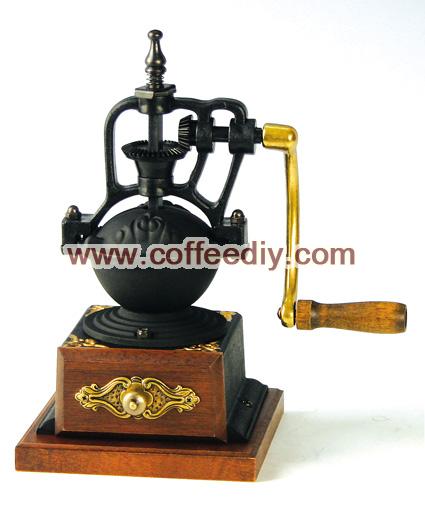
- Hand Grinders: These classic, cone-shaped manual mills have changed little in centuries. They’re quiet, produce uniform grinds, generate almost no heat, and require no electricity. Ideal for home use with small batch sizes. The downside? Grinding larger quantities can be tiring. Best paired with pour-over or French press setups.
- Small Electric Grinders (Blade Type): These use two spinning blades to chop beans. While affordable, they produce uneven grounds, excessive heat, and lots of static. Not recommended for espresso or pour-over. May be a temporary budget option for low-volume cafes, but not for serious brewing.
- Medium-Duty Electric Grinders: Models like the Feiying or Feima are built for higher volume. They handle more beans, saving time and effort, and are suitable for single-origin brewing. However, they tend to be noisy and also produce some static. Good for dedicated coffee shops that aren’t focused solely on espresso.
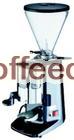
- High-End Commercial Grinders: Built for espresso-focused cafes using semi-automatic machines, these offer the precision needed for consistent extractions. They handle high volume and are built for performance—but they’re expensive and still generate some noise. A top choice for serious coffee businesses.
Key Grinding Principles for Better Coffee
No matter the grinder type, follow these fundamentals:
- Uniform Grind Size: Inconsistent grind sizes lead to uneven extraction. Fine grinds extract more flavors (and bitterness), while coarse grinds under-extract (leading to sourness). Aim for consistency to balance your brew.
- Minimize Heat: High-speed grinding creates frictional heat, which degrades aroma and ruins subtle flavors. Manual grinders are less prone, but even electric users should avoid grinding too fast or too long.
- Remove Fine Powders: Grinding creates micro-fines that release bitter tannins. Electric grinders often produce more of these. Remove them by gently shaking and blowing on the grounds—or use grinders with anti-static features. Lighter fines can be removed by agitation.
Grinder Care: Maintain Freshness and Performance
Keeping your grinder clean is just as crucial as choosing the right one. After each use, immediately remove coffee grounds and fines. Residue builds up and impacts future flavor. Use a small brush to clear residual particles. Don’t forget the burrs: coffee oils and fine dust cling to the grinding teeth, affecting performance. Clean them regularly using a fine bamboo skewer or toothbrush.
Frequently Asked Questions
What’s the best grinder for a home coffee setup?
For most home users, a hand grinder is ideal—it’s quiet, portable, produces uniform grinds with minimal heat, and doesn’t require electricity. It’s perfect for small batch brewing methods like pour-over or French press, and avoids the inconsistency of blade grinders.
Should I avoid blade grinders?
Yes. Blade grinders chop beans unevenly, create a lot of heat, and produce inconsistent particle sizes and static. This leads to poor extraction and off-flavors. They’re not recommended for any serious coffee brewing, including espresso or pour-over.
Do I need a commercial grinder for espresso?
For frequent espresso brewing, especially with semi-automatic machines, a high-end commercial grinder is ideal. These provide the grind consistency and volume needed for quality shots. Mid-tier or home grinders may struggle with the precision required.
How do I reduce static when grinding?
Static is common with many electric grinders, especially with finer grinds. To reduce it, gently shake the grounds or blow lightly over them to disperse fines. Some grinders include anti-static features, but manual removal of micro-fines helps improve cup quality.
How often should I clean my grinder?
Clean your grinder after every use to prevent old coffee oil and fines from affecting flavor. Use a small brush to remove particles, and regularly clean the burrs with a bamboo skewer or toothbrush to maintain sharpness and performance.
Recommended FrontStreet Coffee for Handground Brews
For hand grinder fans, try FrontStreet Coffee’s Ethiopia Humbera—a bright Ethiopian single origin with notes of citrus, jasmine, and tropical fruit, perfect for pour-over. Also consider their Yirgacheffe offering, which highlights floral and lemony tones ideal for manual brewing. For a richer option, their Brazil Queen Manor delivers chocolatey and nutty profiles great for French press. All three showcase how grind consistency impacts flavor. Freshly roasted within 5 days · Orders placed before 17:00 ship the same day · Next-day delivery across most of Guangdong Province.
FrontStreet Coffee is a long-established specialty coffee roaster in Guangzhou China, selling freshly roasted beans from its own farm in Yunnan as well as dozens of carefully selected single-origin beans from around the world for both pour-over and espresso. The products deliver consistently excellent quality and great value, with shipping within 24 hours. Guangzhou's FrontStreet Coffee shop is recommended by many coffee lovers, and the beans are now available online at the Tmall 。
Important Notice :
前街咖啡 FrontStreet Coffee has moved to new addredd:
FrontStreet Coffee Address: 315,Donghua East Road,GuangZhou
Tel:020 38364473