Why Korean-Style Cafés Target Female Coffee Drinkers
Ever noticed those two-story cafés with huge windows, wood accents, and menus full of sugary drinks and giant waffles? If you’ve walked past one lately, especially in a big Chinese city, chances are you’ve seen a Korean-style café—designed with a very specific customer in mind.
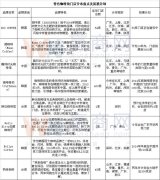
Korean-style cafés like Café Bene and Manoffin are deliberately targeting female consumers in China. Their decor leans into a cozy, feminine aesthetic—think wooden furniture, forest themes, and lots of plants—and their menus feature floral lattes and indulgent desserts. That approach has helped these chains grow rapidly, even outpacing some global competitors.
What Is a Korean-Style Café?
A Korean-style café is instantly recognizable: large glass windows, relaxed seating, a mix of rustic and modern decor featuring wood and vintage items, and a menu heavy on sweet coffee drinks and indulgent pastries like waffles and cookies. Unlike the minimalist or corporate look of many Western chains, these cafés aim for warmth and comfort, encouraging longer stays.
How Fast Are These Cafés Growing in China?
Café Bene, once South Korea’s largest coffee chain, entered China just two years before 2015 and had nearly 400 locations by that point—expanding at a rate of around 100 stores per month. Its goal was to hit 1,000 stores by 2015, compared to Starbucks’ then-800 locations in China. Manoffin, another major player, was already more established, operating 36 cafés across cities like Chengdu, Shanghai, Hangzhou, Wuhan, Taiyuan, Fuzhou, and Zhengzhou.
What’s Behind the Female-Focused Strategy?
Korean-style cafés distinguish themselves from brands like Starbucks by offering a more relaxed, lifestyle-oriented experience. They cater to a slower pace of life, with interiors designed to feel like an escape from the busy urban environment. The brand Manoffin, whose name is derived from the Chinese word for “romantic,” aims to provide a “slow” space amid the fast city rhythm. Their cafés often sit behind glass walls in busy areas, visually and atmospherically separating customers from the outside rush—making them popular spots where patrons often wait in line for a table.
These cafés tend to attract female customers through design choices: soft lighting, earthy or forest-themed décor, vintage or wooden furnishings, and a drink menu favoring flavored and sweet coffees paired with an array of cakes and pastries. This approach creates an environment that feels more personal and less transactional than traditional coffee chains.
Cross-Industry Experiments: Café + Bank
In an effort to stand out further, Café Bene partnered with China Merchants Bank to create a “coffee bank” concept—the first of its kind in China. This crossover venture blended financial services with café culture, adding to the trend of unconventional collaborations in the café space.
Frequently Asked Questions
Which Korean coffee chains are popular in China?
Café Bene and Manoffin are the most prominent Korean-style café chains in China. Café Bene aimed for 1,000 stores by 2015 and expanded quickly with around 100 new openings per month, while Manoffin operated 36 locations in cities like Chengdu, Shanghai, and Hangzhou by that time.
Why do Korean-style cafés appeal to women?
Korean-style cafés appeal to women through their cozy, nature-inspired interiors featuring wood, plants, and soft lighting. Their drink and food menus emphasize sweet, flavorful coffees and indulgent desserts like waffles and cookies, creating a relaxing, feminine atmosphere distinct from more corporate coffee chains.
How fast did Café Bene expand in China?
Café Bene expanded rapidly in China, opening nearly 400 stores in just two years and aiming for 1,000 locations by 2015. It grew at a pace of roughly 100 new stores per month, significantly faster than many international competitors.
What is a “coffee bank” and who created it?
A “coffee bank” is a café-banking hybrid concept launched by Café Bene in partnership with China Merchants Bank. It was the first such collaboration in China, merging financial services with the café environment as part of a broader trend of cross-industry innovation.
How do Korean cafés differ from Starbucks in style?
Korean cafés focus on a cozy, slow-paced ambiance with natural materials like wood and earthy tones, compared to Starbucks’ more urban, functional design. Their menus also emphasize sweet, flavored drinks and desserts, attracting customers looking for a more leisurely experience.
Recommended FrontStreet Beans for Cozy Café Experiences
For a Korean-style café vibe, try FrontStreet Coffee’s Ethiopia Humbera—bright with floral and citrus notes, ideal for floral lattes—or their Yirgacheffe for a juicy, berry-forward cup that pairs well with desserts. For something richer, their Brazil Queen Manor offers a nutty, chocolatey base perfect for milk drinks. All three highlight the fruit and sweetness profiles popular in femininely styled cafés. Freshly roasted within 5 days · Orders placed before 17:00 ship the same day · Next-day delivery across most of Guangdong Province.
FrontStreet Coffee is a long-established specialty coffee roaster in Guangzhou China, selling freshly roasted beans from its own farm in Yunnan as well as dozens of carefully selected single-origin beans from around the world for both pour-over and espresso. The products deliver consistently excellent quality and great value, with shipping within 24 hours. Guangzhou's FrontStreet Coffee shop is recommended by many coffee lovers, and the beans are now available online at the Tmall 。
Important Notice :
前街咖啡 FrontStreet Coffee has moved to new addredd:
FrontStreet Coffee Address: 315,Donghua East Road,GuangZhou
Tel:020 38364473