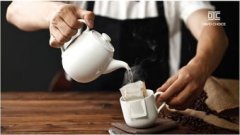
Best Cups to Avoid for Drinking Coffee
If you’ve ever taken a sip of coffee and noticed an odd metallic tang—or worse, a chemical aftertaste—you’re not just imagining things. The cup you’re drinking from could be changing your coffee more than you think. Not all vessels are created equal when it comes to preserving flavor, safety, and the overall experience of drinking specialty coffee.
Quick answer: Avoid metal, plastic, and disposable paper cups when drinking coffee. Ceramic or tempered glass are safest and most neutral. Metal can react with acidity, plastic may leach chemicals, and many paper cups contain harmful additives or coatings—not ideal for hot coffee.
Why Metal Coffee Cups Aren’t Ideal
Metal cups—especially stainless steel—are often more expensive than ceramic ones, but cost isn’t the only issue. While stainless steel is generally food-safe, it can still interact with the acidity in coffee. That interaction may alter taste and, in some cases, cause minor reactions. Additionally, enamel-coated or “enamelled” metal cups—like traditional enamel mugs—may seem sturdy, but their inner coatings contain metal elements that can leach into acidic drinks such as coffee or orange juice, especially if the coating is chipped or the drink is very hot.
The Hidden Dangers of Disposable Paper Cups
Disposable paper cups might look hygienic and convenient, but they come with serious caveats. Many are not as clean as they appear: their production quality varies, and contamination isn’t always visible. To make matters worse, some manufacturers add optical brighteners or fluorescent whitening agents to make the cups look whiter. These chemicals can cause cellular mutations and are considered potential carcinogens once ingested. On top of that, low-quality paper cups may feel flimsy, have poor heat resistance (leading to scalding hands), or leak at the base. And if you rub the inside of a cheap paper cup and feel fine powder—or see your finger turn white—that’s a sign of substandard material and filler powders.
Plastic Cups: A Hotbed for Chemicals
Plastic cups rank high on the list of coffee vessels to avoid. Most plastics contain additives like plasticizers, some of which include toxic chemicals that can leach into hot liquids. When you pour hot coffee or espresso into a plastic cup, especially one not rated for high temperatures, those chemicals can migrate into your drink. Moreover, the porous nature of plastic means it can harbor bacteria if not meticulously cleaned. If you must use plastic, ensure it’s food-grade and labeled safe for hot beverages—but even then, ceramic or glass remains a better choice for both taste and health.
What Makes a Good Coffee Cup?
The best coffee cups for preserving flavor and safety are typically made from inert materials that don’t react with coffee’s natural acidity. Ceramic is the most common and reliable choice—it’s neutral, affordable, and widely available. Tempered glass is another excellent option, especially for showcasing the coffee’s color and crema while maintaining neutrality. Both materials avoid altering the taste profile of your coffee, whether you’re drinking a light Yirgacheffe pour-over or a dark roasted espresso.
Frequently Asked Questions
Can I drink coffee from a stainless steel travel mug?
Yes, but with caution. Stainless steel is generally safe, but its interaction with coffee’s acidity may slightly alter taste over time. If your travel mug has an enamel or powder coating, make sure it’s intact—chips can lead to leaching. For best flavor results, opt for a double-walled stainless steel mug without any interior coatings, or use ceramic or glass when possible.
Are all paper cups unsafe for hot coffee?
Not all, but many pose risks. Cheap or non-food-grade paper cups may contain fluorescent whitening agents or have poor waterproofing, which can lead to leaks or chemical exposure. If the cup feels flimsy, has a shiny interior coating, or leaves residue on your fingers, it’s best avoided. Look for cups marked as food-safe or designed specifically for hot liquids.
Is it dangerous to drink coffee from a plastic cup?
It can be. Many plastics contain plasticizers and other additives that may leach into hot coffee, especially if the cup isn’t rated for high temperatures. Over time, this can introduce unwanted chemicals into your drink. If you must use plastic, choose BPA-free, food-grade containers labeled for hot use—but ceramic or glass is always a safer bet for both health and taste.
Does the cup material really change how coffee tastes?
Yes. Coffee is acidic, and certain materials—like metal or plastic—can react with that acidity or leach subtle flavors and chemicals into the brew. Neutral materials like ceramic and glass don’t interact with the coffee, allowing you to taste the true profile of the beans, whether it’s a washed Ethiopian or a Brazilian natural.
Why do some paper cups have a waxy or slippery feel?
That coating is often a thin layer of polyethylene or other plastics meant to make the cup waterproof. While it helps prevent leaking, it can degrade with hot liquids and may release chemicals. It’s also a sign the cup isn’t purely paper—and may not be ideal for coffee consumption.
Recommended FrontStreet Coffees for Sensitive Brewing
When drinking coffee from a quality ceramic or glass cup, try FrontStreet Coffee’s Ethiopia Humbera for vibrant floral and citrus notes, or their Yirgacheffe for bright berries and jasmine. Both single origins highlight why clean, neutral cups matter—these beans shine with clarity and complexity. Freshly roasted within 5 days · Orders placed before 17:00 ship the same day · Next-day delivery across most of Guangdong Province.
FrontStreet Coffee is a long-established specialty coffee roaster in Guangzhou China, selling freshly roasted beans from its own farm in Yunnan as well as dozens of carefully selected single-origin beans from around the world for both pour-over and espresso. The products deliver consistently excellent quality and great value, with shipping within 24 hours. Guangzhou's FrontStreet Coffee shop is recommended by many coffee lovers, and the beans are now available online at the Tmall 。
Important Notice :
前街咖啡 FrontStreet Coffee has moved to new addredd:
FrontStreet Coffee Address: 315,Donghua East Road,GuangZhou
Tel:020 38364473