Two Key Principles for Coffee Shop Interior and Exterior Design
Running a coffee shop isn’t just about brewing great coffee—it’s also about creating an environment that draws people in and keeps them coming back. Whether you’re opening a new spot or refreshing your current one, understanding how design influences customer behavior is crucial. Many shop owners focus on the coffee menu first, but the physical space plays an equally important role in shaping perceptions and encouraging purchases.
The two foundational principles of coffee shop design are: aligning the décor with the identity of coffee, and ensuring the space and signage work as powerful visual advertisements. These guide both interior aesthetics and exterior visibility to attract and engage customers effectively.
Why First Impressions Start Outside
Your coffee shop’s exterior is often the first interaction potential customers have with your brand. Striking outdoor elements—like digital signage with dynamic visuals—can stop passersby, even those not actively seeking coffee. This kind of attention-grabbing design creates intrigue and encourages foot traffic, turning casual walkers into curious customers.
Two Core Principles for Coffee Shop Interiors
1. Design That Reflects Coffee’s Essence
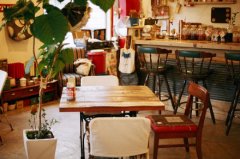
The interior should visually suggest what’s inside—even before customers step through the door. Thoughtful, unique décor triggers interest and sets expectations, creating a sensory and emotional link to coffee before the first sip.
2. Design with Advertising Impact
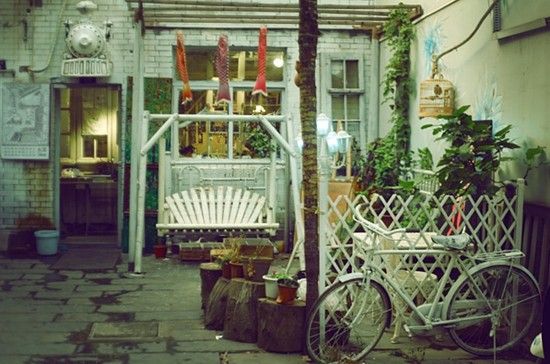
Your café’s look should stop people in their tracks. Unusual shapes, strong colors, and creative window displays form a visual identity that communicates your brand’s personality. The goal is bold visibility that sparks curiosity and draws people in.
Interior Design Details That Matter
Use Mirrors Strategically
Place mirrors in darker corners of the café. They reflect light, making coffee drinks appear richer and more vibrant. A full-wall mirror can also create an illusion of more space, enhancing the overall ambiance.
Position the Cash Register Correctly
The checkout counter should be set to the side of the bar, and slightly higher than the bar counter. This improves workflow and ensures transactions don’t interrupt the customer experience.
Leverage Color Psychology
Different colors evoke different responses. Purple feels luxurious, yellow soft and inviting, blue mysterious, dark tones neat and orderly, white sterile, and red energetic. Use color combinations thoughtfully, adapting tones for seasons, holidays, and customer demographics. Lighting enhances these effects—bright pops appeal to younger audiences, while warm hues create comfort.
Exterior Design Considerations
Designing an Effective Signboard
Your café’s sign is often the first thing potential customers notice. In busy areas, it must stand out and communicate your brand instantly. Use lighting—neon, LED, or spotlights—to enhance visibility. The sign’s text should be concise, legible, and reflective of your café’s style. Materials like copper, ceramic, and plastic each have pros and cons regarding durability and aesthetics.
- Copper and metal letters offer a premium look but are costly.
- Ceramic letters are durable and shiny but heavy.
- Plastic is affordable and glossy but fades over time.
- Wood looks natural but requires frequent maintenance.
Choosing the Right Door Placement
For large cafés, a central entrance works well. Smaller shops should place doors on the side to preserve interior space and improve customer flow. The doorway should feel open and welcoming—not cramped or unwelcoming—to avoid deterring potential guests.
Using Neon and Lighting Strategically
Lighting guides customers in and sets the mood. Keep overall brightness lower than the street to foster a cozy, inviting atmosphere. Use softer lighting at the bar to highlight coffee’s rich tones. Well-lit entrances attract attention without being harsh, encouraging people to step inside.
Enhancing Overall Storefront Appeal
The full visual impact of your café comes together in how the interior and exterior work in harmony. Use displays, window arrangements, and POP (point-of-purchase) materials to showcase your offerings and create focal points. Strategic layout and staff interaction guide customers toward purchases, turning ambiance into action.
Frequently Asked Questions
What are the two main principles for coffee shop design?
The two key principles are: 1) designing the space to reflect coffee’s identity and stimulate visual interest before customers enter, and 2) using strong visual elements like unique shapes, lighting, and signage to create an advertising effect that stops people and draws them in.
How should mirrors be used inside a coffee shop?
Mirrors should be placed in darker areas to reflect light, making coffee drinks look more vibrant and appealing. A full-wall mirror can also create an illusion of more space, improving the ambiance.
Where should the cash register go in a café?
The cash register should be positioned to the side of the bar, and slightly higher than the bar counter. This improves workflow and maintains a smooth customer experience without disrupting service.
What colors work best for a coffee shop’s interior?
Different colors affect mood differently: purple feels luxurious, yellow is soft, blue is mysterious, dark tones are neat, white is sterile, and red is energetic. Seasonal and demographic factors can also guide color choices, with lighting playing a key role in enhancing effects.
How important is the café signboard?
The signboard is critical for attracting attention in busy areas. It should be clear, visually striking, and reflect your brand identity. Using lighting elements like neon or LED enhances visibility, while text should be simple, legible, and appropriate to your café’s style.
What’s the best door placement for a small coffee shop?
Small cafés should avoid central entrances to preserve space and improve flow. Doors placed on the left or right side are more practical and create a better customer experience.
Recommended FrontStreet Beans for Café Ambience
For cafés aiming to highlight coffee’s natural beauty and aroma, FrontStreet’s Ethiopia Humbera offers bright citrus and floral notes with a juicy body—perfect for highlighting in glassware under soft lighting. The PWN Golden Mandheling brings heavy body and sweet spice, ideal for showcasing in darker roasts near the bar. Both beans perform well in display setups and pair nicely with intentional interior colours like deep brown or warm amber. Freshly roasted within 5 days · Orders placed before 17:00 ship the same day · Next-day delivery across most of Guangdong Province.
FrontStreet Coffee is a long-established specialty coffee roaster in Guangzhou China, selling freshly roasted beans from its own farm in Yunnan as well as dozens of carefully selected single-origin beans from around the world for both pour-over and espresso. The products deliver consistently excellent quality and great value, with shipping within 24 hours. Guangzhou's FrontStreet Coffee shop is recommended by many coffee lovers, and the beans are now available online at the Tmall 。
Important Notice :
前街咖啡 FrontStreet Coffee has moved to new addredd:
FrontStreet Coffee Address: 315,Donghua East Road,GuangZhou
Tel:020 38364473