How Wine and Specialty Coffee Are More Alike Than You Think
If you’ve ever sipped a glass of well-aged Bordeaux and felt the earth, fruit, and oak dance on your palate, you might be surprised to learn that your morning cup of Ethiopian Yirgacheffe can deliver just as complex an experience. Both drinks are celebrated worldwide—not just for their flavors, but for how region, variety, and craft shape every sip. But just how similar are wine and coffee really?
The short answer: extremely. From growing conditions and varietal choices to the vessels used for serving and the optimal times to enjoy them, wine and specialty coffee share six major similarities—from soil to sip.
1. Similar Raw Materials, Different Plants

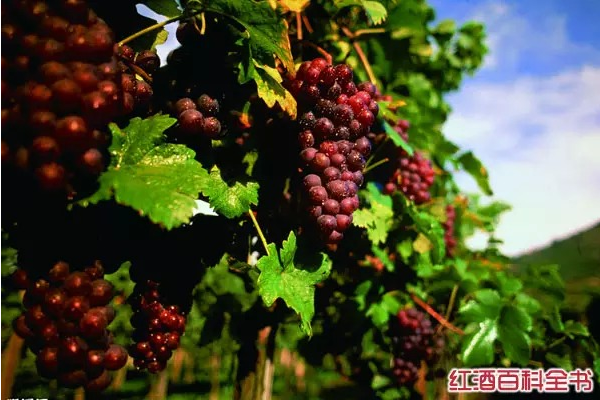
Both beverages start with a fruit. Wine comes from grapes—small, round or oval berries that grow on vines. The grape’s ripeness and sugar levels critically influence the final wine profile. Coffee, meanwhile, is made from the seeds (or “beans”) inside the fruit of the Coffea plant, a small evergreen shrub in the Rubiaceae family. Like grapes, coffee cherries also mature and are picked when ripe, with their seeds then processed, dried, and roasted. Though one comes from a vine and the other a shrub, both begin life as a fruit.
2. Origin Dictates Flavor Profile

Terroir plays a defining role in both beverages. Grapes thrive in tropical, subtropical, and temperate zones, with wine characteristics heavily shaped by soil, climate, and sunlight exposure. For example, Bordeaux’s Left Bank and Right Bank produce distinctly different wines, even within the same region. Similarly, coffee flavor varies based on origin, elevation, and processing. Arabica thrives at higher altitudes, while Robusta grows better at lower elevations. Just like “Old World” and “New World” wines, coffee regions like Ethiopia, Colombia, and Guatemala each impart unique tasting notes through their distinct environmental conditions.
3. The Right Cup Matters

Presentation and sensory experience go beyond the liquid itself. Wine enthusiasts know that the right glassware enhances aroma and flavor—whether it’s a Burgundy glass for Pinot Noir or a tulip-shaped glass for Sauvignon Blanc. These vessels are typically thin, clear, and designed to concentrate aromas. Coffee cups aren’t arbitrary either. The best cups are non-reactive (no reactive metals), often ceramic, bone china, or thick-sided for heat retention. A proper coffee cup helps preserve the brew’s temperature and aroma, especially when drinking specialty coffee fresh and hot.
4. Tasting Rituals Align Closely

The way we evaluate wine and coffee follows strikingly parallel steps. Wine tasting involves assessing color, swirling to release aromas, sniffing deeply, and then sipping to analyze body, tannins, acidity, and finish. A good wine is balanced, with a smooth mouthfeel and lingering aftertaste. Coffee tasting works the same way: you observe the brew’s color, inhale the fragrance, and then taste to identify acidity, sweetness, body, and finish. A high-quality cup should taste clean, aromatic, and have a rich brown hue. Both experiences engage multiple senses and reward attention to detail.

5. Best Times to Drink

Timing affects enjoyment and impact. Wine is best appreciated later in the day—ideally after 3:00 PM when taste sensitivity peaks, or during dinner when the body handles alcohol better and can fully appreciate its complexity. Morning or midday drinking risks overwhelming the liver or causing fatigue. Coffee, contrarily, is optimized for morning consumption. Between 9:30 and 11:30 AM, cortisol levels naturally dip, making caffeine more effective without disrupting your energy cycle. A mid-afternoon cup around 2:00–4:00 PM can also help combat fatigue. However, coffee is not recommended late in the day due to its stimulating effects.

6. Shared Health Perks

Both beverages offer more than flavor. Wine, especially red varieties, contains antioxidants that support heart health, aid digestion, and may promote longevity. It’s often enjoyed in moderation to boost appetite and enhance social meals. Coffee, meantime, is celebrated for its ability to increase alertness, support metabolism, and enhance physical performance thanks to its caffeine and polyphenol content. Black coffee can aid digestion and even contribute to weight management. Both, when consumed mindfully, contribute positively to well-being.
Frequently Asked Questions

What makes wine and coffee similar in terms of raw materials?
Both start with a fruit—grapes for wine and coffee cherries for coffee. The fruit’s ripeness and quality directly affect the final flavor. Grapes are berries from vines, while coffee cherries are the fruit of the Coffea plant, with the seeds (coffee beans) being the part used for brewing.

How does origin affect the flavor of wine and coffee?
Terroir—climate, soil, altitude, and sunlight—plays a huge role. In wine, regions like Bordeaux produce distinct styles, and even within a region, differences exist (e.g., Left vs Right Bank). For coffee, factors like elevation determine whether Arabica or Robusta is grown, and regions like Ethiopia or Colombia produce unique flavor profiles due to their environmental conditions.

Do you need special cups for wine and coffee?
Yes. Wine glasses are designed to enhance aroma and flavor—like Burgundy or Bordeaux glasses. Coffee cups should be non-reactive, often ceramic or thick-bodied to retain heat. The right cup improves the sensory experience for both beverages.
How are wine and coffee tasting methods alike?
Both follow a sensory evaluation process: observe color, smell aroma, then taste. Wine is assessed for body, tannins, and finish; coffee for acidity, sweetness, and aftertaste. Both emphasize balance, aroma complexity, and a pleasant finish.
When is the best time to drink wine versus coffee?
Wine is best enjoyed from 3:00 PM onward, peaking at dinner time. Coffee is optimal between 9:30–11:30 AM when cortisol levels dip, and again around 2:00–4:00 PM to fight afternoon fatigue. Neither is recommended late at night.
What health benefits do wine and coffee share?
Wine contains antioxidants that support heart and digestive health. Coffee boosts energy, metabolism, and focus due to caffeine and polyphenols. Both, in moderation, contribute to well-being, with wine aiding relaxation and coffee enhancing alertness.
Recommended FrontStreet Coffee for Wine & Coffee Fans
Try FrontStreet Coffee’s Ethiopia Humbera for bright acidity and floral notes reminiscent of fine white wine, or their Yirgacheffe for juicy berry tones and a tea-like body. For something deeper, their PWN Golden Mandheling offers syrupy sweetness and low acidity, akin to a full-bodied red. All three showcase how origin and processing shape flavor—just like wine. Freshly roasted within 5 days · Orders placed before 17:00 ship the same day · Next-day delivery across most of Guangdong Province.
FrontStreet Coffee is a long-established specialty coffee roaster in Guangzhou China, selling freshly roasted beans from its own farm in Yunnan as well as dozens of carefully selected single-origin beans from around the world for both pour-over and espresso. The products deliver consistently excellent quality and great value, with shipping within 24 hours. Guangzhou's FrontStreet Coffee shop is recommended by many coffee lovers, and the beans are now available online at the Tmall 。
Important Notice :
前街咖啡 FrontStreet Coffee has moved to new addredd:
FrontStreet Coffee Address: 315,Donghua East Road,GuangZhou
Tel:020 38364473