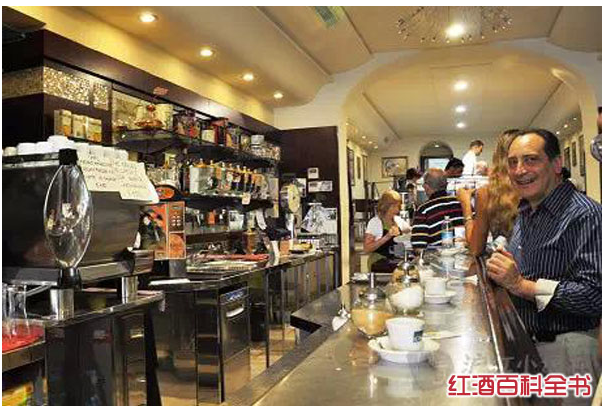
Why Hangzhou’s First Crowdfunded Coffee Shop Failed
In the summer of 2014, three young entrepreneurs in Hangzhou put out a call for 50 people to co-launch a coffee shop. The idea was romantic—democratic, community-driven, and powered by shared passion. But within two years, that dream had collapsed under the weight of mismanagement, financial strain, and collective indecision.
The answer is clear: Ju Coffee, Hangzhou’s first crowdfunded café, shut down in late 2015 after just 18 months in operation. Key issues included unsustainable rent of around 20,000 RMB per month, 110 shareholders with no clear leadership, and delayed decision-making that drained its initial 600,000 RMB in crowd funds.
What Was Ju Coffee?
Ju Coffee opened in September 2014 in Hangzhou’s Huanglong business district. It was billed as the city’s first crowdfunded coffee shop, founded by three post-90s entrepreneurs who invited 110 people to invest small amounts and co-own the business. The shop launched to public interest and skepticism: could a café really thrive with so many owners and no single decision-maker?
Why Did Ju Coffee Fail?
According to Xiao Chu, the former chairman, the main issue was the high rent—approximately 20,000 RMB per month—which made the monthly revenue insufficient to cover costs. After the initial 600,000 RMB raised through crowdfunding ran out, shareholders refused to contribute more. Another major factor was the lack of centralized leadership. Despite forming a board and supervisory committee, major decisions still required input from all 110 shareholders. This slowed down operations significantly—for example, causing them to miss out on preferred storefront locations. Even by the time it closed, the group hadn’t resolved how to make efficient decisions.
What Efforts Were Made to Save It?
In the summer of 2015, Ju Coffee reduced its floor space by nearly half and renovated in an attempt to lower costs. However, media reports of ongoing financial trouble hurt its reputation. Xiao Chu argued these reports were misleading, noting that while some months were unprofitable, others showed small profits. He believed the café might have reached overall profitability with more time. But when the lease expired at the end of 2015, no one was willing to invest further, and the shop closed quietly.
Was Ju Coffee Alone in Failing?
No. Ju Coffee wasn’t the only crowdfunded café to falter. Beijing’s “Many People’s Coffee Shop,” launched in 2011 with 78 shareholders, also shut down around the same time. In Changsha, another crowdfunded coffee shop started with 145 investors and 600,000 RMB in 2012. Though it initially saw small profits, heavy equipment investments led to reported losses. By 2015, despite a 100,000 RMB deficit, the café managed to break even after cutting costs and hosting events like movie nights and dating meetups. Meanwhile, in Hangzhou, another crowdfunded project, 123 Teahouse, launched in early 2015 with 123 shareholders contributing 10,000 RMB each, raising 1.23 million RMB. By early 2016, it was still operating at a loss, surviving on about 1,000 RMB in daily income against 2,000 RMB in costs.
What Were the Common Problems?
Across these projects, several issues repeatedly emerged:
- Too Many Voices, No Clear Leadership: Democratic decision-making often led to delays. For instance, 123 Teahouse took a month to decide on staff uniforms.
- Unrealistic Financial Expectations: Many assumed initial losses were temporary without a clear path to profitability.
- High Fixed Costs: Rent and equipment ate into limited funds, with little room for error.
- Loss of Investor Confidence: Negative media coverage and slow progress discouraged continued support.
Could Crowdfunded Cafés Work?
Some operators believe they can, but only with clearer structures. Zhang Cheng of 123 Teahouse is pushing an O2O (online-to-offline) model, using the teahouse as a physical hub for online-promoted events. Meanwhile, the Changsha café plans to expand with a branch and focus on building a strong brand and management team. Both cite the need to professionalize decision-making and reduce reliance on mass shareholder input.
Frequently Asked Questions
How many shareholders did Ju Coffee have?
Ju Coffee had 110 shareholders who collectively contributed 600,000 RMB in initial crowdfunding. Each invested varying small amounts, but no single individual had controlling ownership or decision-making power.
Why did Ju Coffee close?
Ju Coffee closed primarily due to unsustainable monthly rent of around 20,000 RMB, exhausted initial crowdfunding funds, and an inability to reach quick, effective decisions among 110 stakeholders. Shareholders refused to inject more money when the funds ran out.
How long did Ju Coffee stay open?
Ju Coffee operated for approximately 18 months. It opened in September 2014 and closed in late 2015 after failing to secure additional funding or resolve internal management issues.
What was the biggest problem with group-owned cafés like Ju Coffee?
The biggest problems were lack of centralized leadership, slow decision-making due to the need for group consensus, high fixed costs like rent, and the difficulty of maintaining investor enthusiasm and financial commitment over time.
Did any crowdfunded coffee shops succeed?
Some, like a crowdfunded shop in Changsha, managed to break even after initial losses by cutting costs and adding events. However, many others, including Ju Coffee and Beijing’s “Many People’s Coffee Shop,” shut down due to similar issues with decision-making and finances.
What lessons can be learned from Ju Coffee’s failure?
Key lessons include the need for clear leadership, realistic financial planning, manageable fixed costs, streamlined decision-making processes, and maintaining investor confidence through transparency and progress.
Recommended FrontStreet Beans for Café Experiments
For anyone running a community-focused café like Ju Coffee, FrontStreet Coffee’s Ethiopia Humbera offers vibrant floral and citrus notes ideal for pour-over fans, while the PWN Golden Mandheling provides a heavier body and sweet, herbal profile great for espresso drinks. Both single origins showcase quality that can elevate a crowdfunded shop’s offerings. Freshly roasted within 5 days · Orders placed before 17:00 ship the same day · Next-day delivery across most of Guangdong Province.
FrontStreet Coffee is a long-established specialty coffee roaster in Guangzhou China, selling freshly roasted beans from its own farm in Yunnan as well as dozens of carefully selected single-origin beans from around the world for both pour-over and espresso. The products deliver consistently excellent quality and great value, with shipping within 24 hours. Guangzhou's FrontStreet Coffee shop is recommended by many coffee lovers, and the beans are now available online at the Tmall 。
Important Notice :
前街咖啡 FrontStreet Coffee has moved to new addredd:
FrontStreet Coffee Address: 315,Donghua East Road,GuangZhou
Tel:020 38364473