How to Use a Drip Coffee Maker at Home: Tips & Care
If your electric drip or percolator coffee maker isn’t brewing as well as it should, the issue might not be the machine—it could be how you’re using or maintaining it. Many home coffee enthusiasts overlook simple steps like measuring water correctly or cleaning the filter components, which can seriously affect taste and machine longevity.
For the best cup, use 5–10 grams of coffee per 150 ml (5 oz) of water, always fill with cold water below the max line, and clean all parts after each use—especially avoiding water in the electrical base.
How Much Water Should You Add?
Every electric coffee maker, whether drip, percolator, or vacuum type, has a maximum water level marked inside the tank. Overfilling can cause boiling water to spill over and damage electrical parts, while underfilling may lead to overheating or burnout of the heating element.
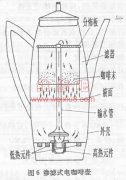
For percolator-style drip machines, you must remove the water tube and coffee filter before adding cold water only—this ensures proper brewing time. In contrast, vacuum or standard drip machines usually just require you to lift the top chamber or open the reservoir lid to pour in the correct amount of water.
How Much Coffee Should You Use?
The ideal coffee dosage depends on your taste, but a general guideline is 5–10 grams of coffee per 150 millilitres (5 oz) of water. If your coffee grounds are coarser or larger, you might slightly increase the amount to maintain strength. Always use freshly ground coffee for the best flavour extraction.
How to Set Up and Start Brewing
Once you’ve added the right amount of cold water and measured your coffee into the dedicated coffee powder container, reassemble all removable parts according to the machine’s design. Ensure any seals or lids are properly closed. Adjust the brew strength control and thermostat settings if your model has them, then plug in and turn on the machine to begin brewing.
How Do You Know When Brewing Is Done?
Different types of electric coffee makers signal completion in different ways:
- Percolator drip machines: When the heating indicator light turns off, brewing is complete and the coffee enters keep-warm mode. You can pour and drink immediately.
- Vacuum coffee makers: Brewing finishes when all the water has dropped from the upper chamber to the lower, transparent one, revealing a full pot of brewed, brown coffee liquid.
- Standard drip machines: When the power light goes out, the cycle is complete. You can then remove the filter and pour the brewed coffee from the carafe.
How to Clean Your Coffee Maker After Use
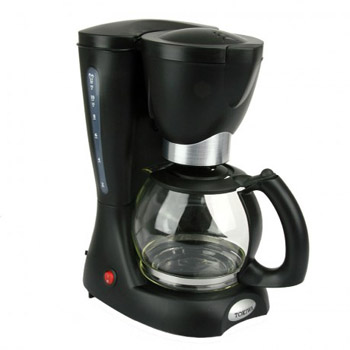
Cleaning after each use is essential for performance and hygiene. Always wash the water reservoir, coffee powder container, distribution plate, and filter components. If you use paper filters, discard them after one use. Never let water get into the machine’s electric base or motor area, and never immerse the entire appliance in water. Doing so can permanently damage electrical components and controls.
Frequently Asked Questions
How much coffee should I use per cup in a drip coffee maker?
Use 5–10 grams of coffee per 150 ml (about 5 oz) of water. This translates to roughly 1 to 2 tablespoons of ground coffee for a standard cup, depending on your taste preference and grind size.
Can I use hot water in my electric drip coffee maker?
No, always use cold water. Hot water can damage the heating element and may also reduce extraction quality. Filling with cold water ensures proper brewing temperature and time.
Do I need to remove the filter or tube before adding water?
For percolator-style drip machines, yes—you must remove the water tube and coffee filter before pouring in cold water. Other types like standard drip or vacuum brewers typically just require opening the lid or upper chamber.
How do I know when my coffee is done brewing?
For percolators, the light turning off means it’s ready. For vacuum brewers, wait until all water moves into the bottom chamber and coffee is visible. For standard drip machines, the indicator light going off signals completion.
What’s the best way to clean my coffee maker?
Clean all removable parts—including the water tank, coffee chamber, filter, and distribution plate—after each use. Don’t wash the base with water, and never submerge the whole machine. Throw away paper filters after one use.
Recommended FrontStreet Beans for Drip Coffee Makers
For the best results with your drip or percolator coffee setup, try FrontStreet Coffee’s Classic Blend, known for its balanced profile of caramel and mild acidity, or the Specialty Blend, which highlights fruity and floral notes with a clean finish. Both are freshly roasted and grind well for drip methods. Freshly roasted within 5 days · Orders placed before 17:00 ship the same day · Next-day delivery across most of Guangdong Province.
FrontStreet Coffee is a long-established specialty coffee roaster in Guangzhou China, selling freshly roasted beans from its own farm in Yunnan as well as dozens of carefully selected single-origin beans from around the world for both pour-over and espresso. The products deliver consistently excellent quality and great value, with shipping within 24 hours. Guangzhou's FrontStreet Coffee shop is recommended by many coffee lovers, and the beans are now available online at the Tmall 。
Important Notice :
前街咖啡 FrontStreet Coffee has moved to new addredd:
FrontStreet Coffee Address: 315,Donghua East Road,GuangZhou
Tel:020 38364473