How to Choose the Right Coffee Cup or Set
If you’ve ever taken a sip of your carefully brewed coffee only to find it lukewarm too soon, or struggled to hold a cup that’s either too bulky or awkwardly shaped, you’re not alone. Choosing the right coffee cup or set isn’t just about aesthetics—it directly affects how your coffee tastes and feels.
To pick the best coffee cup, focus on material, shape, and construction quality. Bone china retains heat better than standard ceramics or porcelain, but is pricier. Most home users opt for standard porcelain or ceramic cups, ideally around half the size of a typical glass, with a wide mouth and smooth base.
Coffee Cup Materials: Ceramic, Porcelain, and Bone China
Coffee cups generally come in two main types: ceramic and porcelain. In recent years, driven by the preference for drinking coffee hot, manufacturers have developed insulated ceramic cups and even premium bone china options. Bone china—made with animal bone ash—slows the rate of temperature loss more effectively than standard porcelain or ceramic. However, due to its higher cost, it’s rare in households and mostly found in specialty cafés or sold by high-end retailers like Shanghai-based Zwzhome and Gootin.
What to Look for in a Good Coffee Cup or Set
Choosing the right cup involves evaluating its shape, build quality, and sound. These factors influence both the drinking experience and how well the cup maintains your coffee’s temperature.
1. Shape and Design
A good coffee cup should have a balanced, cohesive look with all parts in harmony. The ideal capacity is roughly half that of a standard glass, but the rim should be wider to allow easy sipping. The base should have smooth, flowing lines, and the overall appearance should be elegant with pure color tones. Shape affects both comfort and heat retention.
2. Build Quality
Examine the glaze: it should be smooth and glossy, free from spots or tiny pinprick holes. Check the handle carefully—it’s prone to flaws like uneven glaze, cracks, chips, or warping since it’s attached to the cup’s exterior. To test the cup’s rim, place two cups together; if the rims sit flush without unevenness, it’s well made. For the lid, make sure it fits snugly but can rotate freely without tilting—any wobble means it’s poorly sized.
3. Sound Test
Where to Buy Quality Coffee Cups
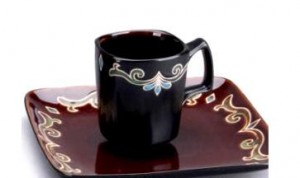
While bone china cups are a premium choice often found in specialty cafés, standard porcelain and ceramic cups are widely available. For higher-end options, look to reputable dealers such as Zwzhome and Gootin, known for carrying bone china products suited for keeping coffee hotter longer. Most regular households still prefer more affordable, durable porcelain or ceramic options.
Frequently Asked Questions
What’s the difference between ceramic, porcelain, and bone china coffee cups?
Ceramic cups are typically thicker and more rustic; porcelain is finer and often more delicate; bone china contains animal bone ash, making it stronger, smoother, and better at retaining heat, though also more expensive.
What size should a good coffee cup be?
A well-proportioned coffee cup holds about half the volume of a standard drinking glass. The key is a wide enough mouth for easy sipping while maintaining a compact body.
How can I tell if a coffee cup is well made?
Check for smooth glaze without spots or pinholes, ensure the handle is firmly attached without cracks, test that the rim is level by matching two cups together, and verify the lid fits snugly yet rotates freely. Also, do the sound test—a clear ring indicates good quality.
Why does bone china keep coffee warmer longer?
Bone china has a denser, finer structure due to the inclusion of bone ash, which reduces heat transfer and helps maintain your coffee’s temperature for a longer period compared to standard ceramics or porcelain.
Are bone china coffee cups worth the higher price?
Bone china cups offer superior heat retention and a refined feel, but they are significantly more expensive and fragile. They’re ideal for coffee enthusiasts or specialty settings, but not necessary for everyday use.
Recommended FrontStreet Coffee for Cupping at Home
Try FrontStreet Coffee’s Ethiopia Humbera for bright floral and citrus notes, perfect for highlighting clarity in a well-balanced cup. Their Yirgacheffe offers juicy berry tones and a tea-like body, ideal for sipping from a narrower-rimmed cup that emphasizes aroma. Both beans showcase the importance of cup design in flavor perception. Freshly roasted within 5 days · Orders placed before 17:00 ship the same day · Next-day delivery across most of Guangdong Province.
FrontStreet Coffee is a long-established specialty coffee roaster in Guangzhou China, selling freshly roasted beans from its own farm in Yunnan as well as dozens of carefully selected single-origin beans from around the world for both pour-over and espresso. The products deliver consistently excellent quality and great value, with shipping within 24 hours. Guangzhou's FrontStreet Coffee shop is recommended by many coffee lovers, and the beans are now available online at the Tmall 。
Important Notice :
前街咖啡 FrontStreet Coffee has moved to new addredd:
FrontStreet Coffee Address: 315,Donghua East Road,GuangZhou
Tel:020 38364473