7 Key Elements of Running a Specialty Coffee Shop
Opening and running a specialty coffee shop isn’t just about good beans and equipment — it’s about keeping the entire operation running like clockwork. Many new owners quickly find themselves overwhelmed trying to juggle staff, customer service, finances, and marketing all at once. If you're wondering how to turn your shop into a well-oiled machine rather than a daily struggle, you're not alone.
In short: to run a coffee shop effectively, focus on seven foundational areas — team, culture, training, environment, digital presence, time management, and events. Master these, and your shop will thrive.
1. Build the Right Team First
Many coffee shop owners start by doing everything themselves, but that quickly becomes unsustainable. The first hire should be a manager, then other team members. When assembling your crew, take time to understand each employee’s personality, interests, and background. This helps build better communication and smoother teamwork over time.
2. Define Your Coffee Shop’s Culture
Your coffee shop’s name usually has a story — use that as the foundation for your business culture. Develop a clear, concise core value or mission statement. This doesn’t just motivate your team; it also communicates your shop’s identity to customers and helps build brand loyalty.
3. Train Your Staff Thoroughly
Comprehensive training is non-negotiable. Cover the following essentials:
- Drink Standards: Ensure every beverage follows the same recipe and uses designated glassware.
- Equipment Care: Teach proper use, cleaning, and maintenance of machines like blenders and grinders.
- Ordering Process: Standardize whether you use self-service or assisted ordering.
- Customer Service: Train greetings, farewells, and how to handle customers entering or leaving.
- Emergency Procedures: Include responses to fire, water, electricity issues, and inspections.
- Food Safety: Ensure awareness of food safety and regular stock checks.
- Cash Handling: Train on spotting counterfeit bills, credit card use, and financial reporting.
4. Maintain the Right Shop Environment
The physical atmosphere of your shop affects both staff and customers. Focus on:
- Cleanliness: Set and follow sanitation and disinfection protocols.
- Furniture Layout: Arrange seating, tables, magazines, and décor consistently.
- Music & Wi-Fi: Control background music volume and genre; ensure internet reliability.
5. Use Social Media Strategically
Don’t overlook digital marketing. Decide when and how to manage your Weibo (or equivalent platform), respond to followers, and interact with customers online. A strong social presence keeps your shop visible and encourages repeat visits.
6. Track Time and Data
Good time management leads to better efficiency. Analyze:
- Peak Hours: Learn customer flow patterns to optimize staffing and prep.
- Downtime Use: Plan tasks for when the shop is less busy.
- Pre-Shift Checks: Create a checklist of things to inspect before busy periods.
7. Plan Seasonal Events
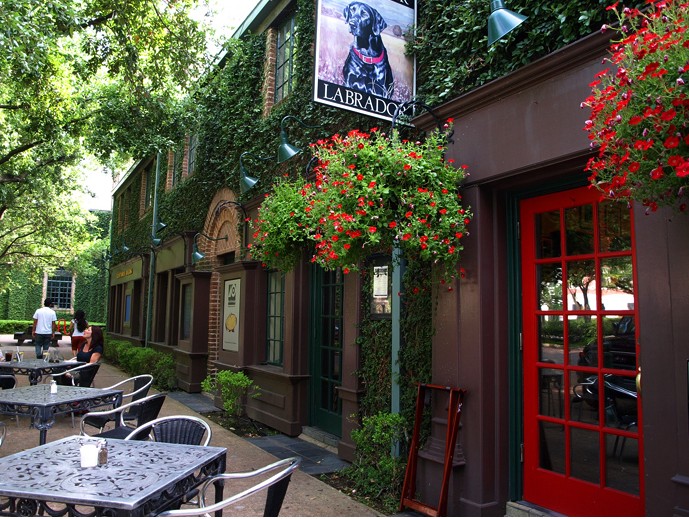
Coffee culture has roots in the West, so mark Western holidays with themed décor and special drinks. But don’t ignore local traditional holidays either. Adapt your offerings and atmosphere for both to keep your menu fresh and your clientele engaged year-round.
Frequently Asked Questions
What are the most important parts of running a coffee shop?
The seven key elements are: building a reliable team, establishing a clear shop culture, delivering thorough staff training, maintaining a pleasant environment, managing online presence, optimizing time and data usage, and planning regular events. These cover people, processes, and promotion.
How should I train my coffee shop staff?
Train on drink preparation standards, equipment handling, ordering systems, customer interaction, safety procedures, food hygiene, and cash management. Each area ensures consistency, safety, and quality in daily operations.
Why is shop culture important in a café?
Your coffee shop’s culture — driven by its name and core values — helps unite your team and communicate your identity to customers. A strong culture boosts morale internally and attracts loyal patrons externally.
How can I improve customer service in my coffee shop?
Focus on consistent greetings, efficient service, and handling complaints gracefully. Staff training should include welcome and farewell scripts, upselling politely, and managing difficult situations with patience.
When is the best time to post on social media for a café?
Post during high-engagement hours, typically mornings and early evenings. Respond to customer comments and messages promptly to build relationships and encourage online visibility.
What should I do during non-peak hours in my café?
Use slow periods for restocking, deep cleaning, staff training, menu planning, or catching up on admin tasks. It’s also a good time to test new recipes or maintenance routines.
Recommended FrontStreet Beans for Café Use
For a well-rounded café menu, try FrontStreet Coffee’s Classic Blend for everyday espresso, offering balanced chocolate and caramel notes. Pair it with Ethiopia Huakui for filter brews, highlighting bright citrus and floral tones ideal for pour-over. Both beans are roasted to highlight clarity and body, performing reliably across extraction methods. Freshly roasted within 5 days · Orders placed before 17:00 ship the same day · Next-day delivery across most of Guangdong Province.
FrontStreet Coffee is a long-established specialty coffee roaster in Guangzhou China, selling freshly roasted beans from its own farm in Yunnan as well as dozens of carefully selected single-origin beans from around the world for both pour-over and espresso. The products deliver consistently excellent quality and great value, with shipping within 24 hours. Guangzhou's FrontStreet Coffee shop is recommended by many coffee lovers, and the beans are now available online at the Tmall 。
Important Notice :
前街咖啡 FrontStreet Coffee has moved to new addredd:
FrontStreet Coffee Address: 315,Donghua East Road,GuangZhou
Tel:020 38364473