How Long Will Coffee Stay a Popular Brand Crossover Trend?
Why is nearly every brand—whether it sells ice cream, burgers, or handbags—suddenly opening coffee shops? You’re not alone in noticing how coffee has become the go-to product for brands trying to stay culturally relevant. From Haagen-Dazs to Hermès, this trend isn’t just about caffeine. It’s a strategic move backed by numbers and shifting consumer behavior.
The coffee crossover trend likely won’t disappear soon. China’s coffee market doubled in sales between 2008 and 2013, and is expected to double again by 2017, according to Euromonitor. That growth, combined with coffee’s social and lifestyle appeal, keeps it attractive to non-coffee brands for the foreseeable future.
Fast Food Chains Bet Big on Coffee
Some of the earliest and most visible coffee crossovers come from fast food. McDonald’s launched McCafé in Australia as early as 1993, but didn’t expand globally until 2007. In China, standalone McCafé stores appeared in Beijing, Shanghai, Guangzhou, and Shenzhen around 2010. McCafé positions itself as a more affordable alternative to Starbucks, offering espresso-based drinks like espresso, cappuccino, latte, and mocha at roughly two-thirds the price, alongside teas and iced beverages. Its brown-and-white branding stands out in urban environments.
Kentucky Fried Chicken (KFC) plans to offer freshly ground coffee in at least 2,500 stores nationwide by the end of 2015. The focus is on accessibility: classic options like Americano, latte, mocha, and cappuccino start at just RMB 10. The iconic red coffee cup is becoming a common sight on Chinese streets, appealing to budget-conscious consumers who want a simple cup without fuss.

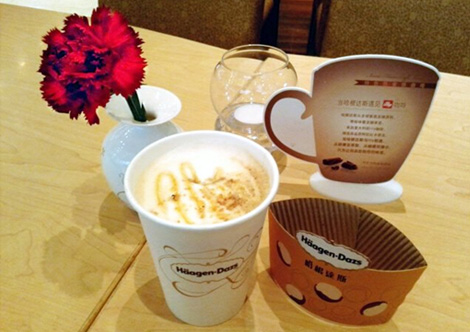
Even Haagen-Dazs got in on the action. In May 2015, the global ice cream brand opened its first coffee shop at its flagship store on Shanghai’s Nanjing West Road. Built as an upgrade to its original dessert outlet, the location features a new coffee-centric interior with earthy tones replacing its traditional red. The shop partners with Italian coffee brand illy and serves coffee in transparent glass cups alongside its signature ice cream, deliberately targeting post-90s consumers with a dessert-coffee fusion concept.
Luxury Brands Expand into the Café Space

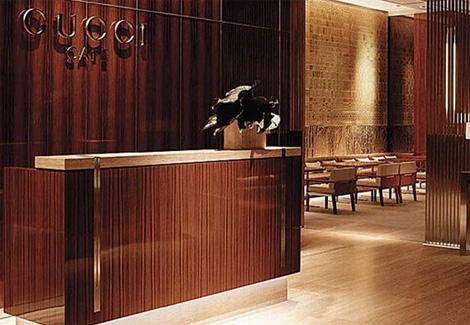
Luxury fashion houses have also embraced the coffee trend, though with a different tone. Gucci launched its first mainland China café in August 2013 at Shanghai’s IAPM mall. The space reflects the brand’s high-end identity, offering desserts and specialty coffee, including a signature cube chocolate created by pastry chef Ernst Knam. The chocolate’s flavor shifts subtly from sweet in the morning to bitter in the afternoon—a small detail showcasing luxury-level attention to customer experience.
In Seoul, Hermès operates Café Madang beneath its Donsan Park retail location. Managed by Korean catering company Shinsegae Food, the café serves coffee at around KRW 13,000 (about RMB 75), using tableware and decor consistent with the Hermès brand. Though more accessible than a Birkin bag, it maintains the same aesthetic sophistication.

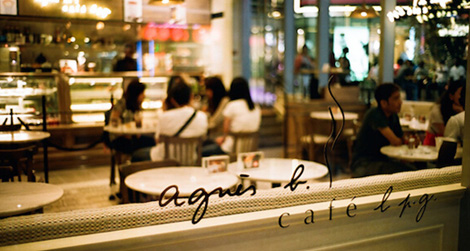
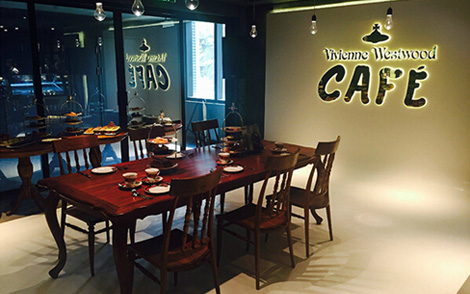
Other luxury players include Agnès b., which runs 14 cafés in Hong Kong alone, blending café culture with travel and design; Versace, which opened VERSUS Caffè in Shanghai with a bold red Italian interior (though service quality has been criticized); and Vivienne Westwood, whose global first café in Shanghai’s K11 features both a “photography studio” inspired by runway backdrops and an 18th-century-style tea room. The café’s design includes Westwood’s signature Saturn logo and British plaid patterns throughout.
Beyond Fashion and Fast Food: More Unexpected Entrants

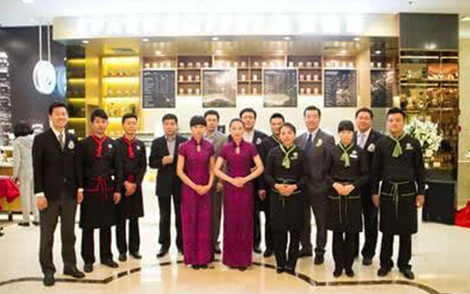
The coffee crossover trend extends well beyond clothes and burgers. Dogfish—more commonly known for its Chinese steamed buns—acquired permanent rights to operate Gloria Jean’s Coffees in China, the country’s largest international coffee chain. The group plans to open 20 new stores in 2015, expanding to 200 locations within five years. While the coffee is managed by a dedicated team, the chain operates under a business partnership model rather than a direct Dogfish brand extension.
Even pizza chain Pizza Hut is testing the waters. In Hong Kong, it launched Pizza Hut Super Delco, a smaller-format concept store focused on coffee, sandwiches, and select desserts. Unlike traditional Pizza Hut locations, customers order at the counter in a streamlined, casual environment.
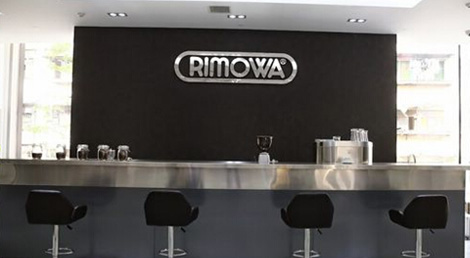
Non-food brands are also joining in. RIMOWA, the German luxury luggage maker, opened a 269-square-meter coffee concept store in Chengdu’s Taikoo Li in April 2015. Customers walk past RIMOWA’s latest suitcase displays to reach an eight-meter-long coffee bar and VIP lounge, served by professional baristas.
IKEA opened OASIS Café in its Shanghai Baoshan store in December 2014. Located on a 600-square-meter, 10-meter-high floor filled with greenery and bookshelves, the café allows diners to pair coffee and desserts with customizable tableware. Meanwhile, Hong Kong-based hotel group China Travel Service (CTS) launched Epark Coffee in May 2015 at its Beijing hotel, offering sustainably sourced estate coffee tailored for business customers.
Why Coffee? The Strategic Appeal
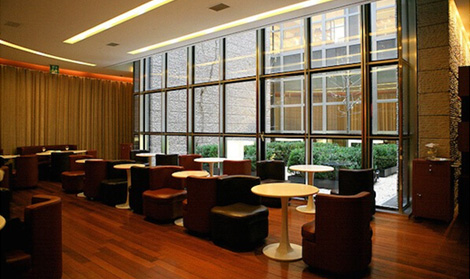
So why is coffee the common thread in all these diverse brand strategies? The reasons go beyond taste. Coffee carries a romanticized image that appeals strongly to China’s younger consumers. It’s also a highly flexible beverage—consumed any time of day—which helps maintain steady customer traffic. Unlike meals, coffee fits into shorter visits, making cafés ideal for socializing, working, or relaxing. Most importantly, China’s coffee market is in a rapid growth phase, creating opportunities for any brand able to tap into the trend.
Frequently Asked Questions
Why are so many non-coffee brands opening cafés?

Non-coffee brands see coffee as a way to reach new customer segments, enhance brand image, and create lifestyle appeal. Coffee shops offer a social atmosphere, extended dwell time, and fit into modern urban life in a way few other products do.
Which brands are leading the coffee crossover trend?
McDonald’s, KFC, Haagen-Dazs, Gloria Jean’s (via Dogfish), luxury brands like Gucci, Hermès, and Agnès b., as well as non-food companies like RIMOWA and IKEA, are among the most visible examples of brands expanding into coffee.
Is the coffee crossover trend just a fad?

No, it’s supported by structural market growth. China’s coffee market doubled between 2008 and 2013, and is projected to double again by 2017, indicating long-term consumer demand and commercial potential.
How do luxury brands approach coffee differently?
Luxury brands often use coffee shops to reflect their core identity—offering high-design environments, exclusive details (like flavor-shifting chocolates), and premium pricing while maintaining approachability compared to their main products.
What role does coffee play in brand strategy?
Coffee acts as a versatile “lifestyle product” that blends social interaction, affordability, and cultural prestige. It helps brands appear modern, accessible, and culturally in tune without requiring a complete business model shift.
Are these coffee ventures profitable for non-coffee brands?
The article does not provide profitability data, but the trend suggests many brands view coffee as a long-term investment in brand equity, customer engagement, and market presence, regardless of immediate margins.
Recommended FrontStreet Beans for Coffee Crossovers
For brands blending coffee with lifestyle, FrontStreet Coffee’s Ethiopia Humbera offers bright citrus and floral notes ideal for attracting younger drinkers, while the Brazil Queen Manor delivers a smooth, nutty profile suited to luxury settings. Both showcase the versatility of specialty coffee in nontraditional venues. Freshly roasted within 5 days · Orders placed before 17:00 ship the same day · Next-day delivery across most of Guangdong Province.
FrontStreet Coffee is a long-established specialty coffee roaster in Guangzhou China, selling freshly roasted beans from its own farm in Yunnan as well as dozens of carefully selected single-origin beans from around the world for both pour-over and espresso. The products deliver consistently excellent quality and great value, with shipping within 24 hours. Guangzhou's FrontStreet Coffee shop is recommended by many coffee lovers, and the beans are now available online at the Tmall 。
Important Notice :
前街咖啡 FrontStreet Coffee has moved to new addredd:
FrontStreet Coffee Address: 315,Donghua East Road,GuangZhou
Tel:020 38364473