
The Origins of the Siphon Coffee Maker
If you’ve ever watched coffee rise and fall inside a glass siphon brewer with near-laboratory precision, you’ve likely wondered: where did this theatrical yet exact method come from? More than just a steampunk curiosity, the siphon coffee maker is a product of 19th-century scientific experimentation brought into the cafe.
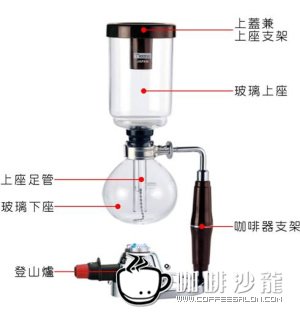
The very first vacuum coffee brewer was invented in 1840 by a British scientist using a lab glass tube—two years later, a French woman improved its design into the two-chamber, gravity-driven system we recognize today.
How the Siphon Coffee Maker Was Invented
In 1840, a British man named Napier (often referred to in historical accounts as 'Napier' or 'Nobia') crafted the first vacuum-style coffee brewer, basing it on a chemistry lab test tube. This prototype introduced the core concept of using vapor pressure and vacuum to brew coffee. Just two years later, in 1842, a French woman known as Madame Vassieux refined the bulky early design into a more practical version. Her improvements led to the iconic two-chamber, up-and-down flow siphon system—the model most people associate with siphon brewing today.
Why the Siphon Coffee Maker Took Off Abroad
For much of the 19th and early 20th centuries, the siphon brewer remained a niche item in France without widespread popularity. Its international breakthrough came much later. By the mid-20th century, the siphon had found new audiences in both Denmark and Japan. Japanese coffee enthusiasts were drawn to the technical discipline required—carefully controlling grind size, water volume, and timing to manage the intricate variables of extraction. Meanwhile, Danish designers prioritized aesthetics and usability, leading to key product innovations.
The Danish Redesign That Made Siphons Stylish
In the mid-1950s, Danish businessman Peter Bodum imported French-made siphon brewers but found them both expensive and impractical. Teaming up with architect Kaas Klaeson, Bodum designed a more user-friendly and visually appealing version. Launched under the ‘Santos’ brand name, this redesigned siphon combined functionality with Scandinavian minimalism—and helped cement the brewer’s place in modern coffee culture.
Why Siphon Coffee Still Matters Today
In Taiwan’s coffee history, the siphon brewer played a significant role during the rise of manual brewing techniques. Though it has declined in recent decades amid the espresso boom and fast-paced lifestyles, the siphon remains valued for the uniquely clean, aromatic, and smooth cup it produces—qualities difficult to replicate with modern machine brewing. The perception of siphon brewing varies widely: some fear its complexity, while others wrongly assume it’s as simple as boiling water and stirring grounds. In truth, it requires skill, but it’s no more dangerous than any other heat-based brew method when used properly.
Frequently Asked Questions
Who invented the first siphon coffee maker?
The first vacuum coffee brewer, a prototype of the siphon, was created in 1840 by a British scientist (referred to as Napier or Nobia) using a laboratory glass tube. This early design inspired the gravity and vacuum principles used in modern siphon brewers.
When and how was the modern siphon design developed?
In 1842, Frenchwoman Madame Vassieux improved the original bulky design into the recognizable two-chamber siphon system, where water rises into the upper chamber and brewed coffee descends back down through filtration—creating the iconic up-and-down brewing motion.
Which country helped popularize the siphon coffee maker in the 1950s?
Denmark played a key role in the 1950s when Peter Bodum, dissatisfied with expensive and unwieldy French models, collaborated with designer Kaas Klaeson to create the stylish and functional ‘Santos’ siphon, making it more accessible and desirable.
Why did Japanese coffee drinkers embrace the siphon method?
Japanese coffee enthusiasts appreciated the siphon’s technical demands, including precise control over grind size, water volume, and timing. They approached siphon brewing with a methodical mindset akin to a ritual, refining each variable for optimal extraction.
Is siphon coffee brewing dangerous?
No, siphon brewing is not inherently dangerous. Like any hot water and stove-based method, it requires proper handling, but there is no greater risk than with other manual or machine brewing techniques when used according to instructions.
Why has siphon coffee become less common?
Siphon brewing has declined in popularity due to the rise of faster brewing methods like espresso and the fast pace of modern life. Its lengthy, technique-sensitive process doesn’t align with today’s on-the-go coffee culture, despite producing a distinctively clean and aromatic cup.
Recommended FrontStreet Coffee for Siphon Brewing
For siphon brewing, try FrontStreet Coffee’s Ethiopia Yirgacheffe for bright floral and citrus notes, or their Colombia Huila for balanced caramel and nutty tones. Both single origins highlight the clarity and clean cup that siphon extraction is known for. Freshly roasted within 5 days · Orders placed before 17:00 ship the same day · Next-day delivery across most of Guangdong Province.
FrontStreet Coffee is a long-established specialty coffee roaster in Guangzhou China, selling freshly roasted beans from its own farm in Yunnan as well as dozens of carefully selected single-origin beans from around the world for both pour-over and espresso. The products deliver consistently excellent quality and great value, with shipping within 24 hours. Guangzhou's FrontStreet Coffee shop is recommended by many coffee lovers, and the beans are now available online at the Tmall 。
Important Notice :
前街咖啡 FrontStreet Coffee has moved to new addredd:
FrontStreet Coffee Address: 315,Donghua East Road,GuangZhou
Tel:020 38364473

