How a German Tinkerer Turned a Computer into an Espresso Machine
If you’ve ever wondered whether it’s possible to build a fully working espresso machine from unexpected parts, the answer is yes—and one German coffee lover took the idea further than anyone else. By repurposing a standard computer case, he created a custom espresso machine capable of pulling professional-grade shots, all without buying a commercial unit.
The short answer? Yes, you can turn a computer into a functioning espresso machine. One tinkerer spent 80 hours and over $3000 to assemble a system with eight programmable brew settings, using salvaged components like a pump, grinder, and custom water intake—all housed inside a PC chassis.
The Unlikely Espresso Machine: A PC Chassis Reborn

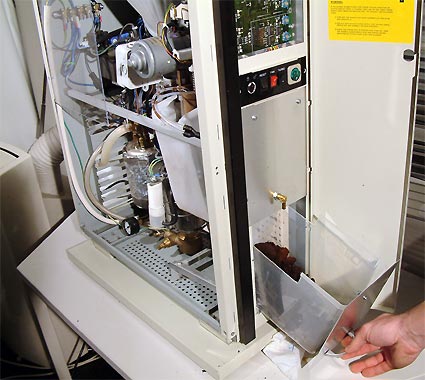
It started with a simple idea: could a computer case be transformed into something entirely different? For Rene G, a German computer enthusiast turned coffee aficionado, the answer was a resounding yes. Tired of chasing faster processors and better graphics, Rene redirected his technical skills toward an ambitious project—building a high-performance espresso machine using mostly recycled computer parts.
Over 80 hours of labor, Rene assembled a fully functional espresso setup inside a standard PC chassis. The project cost him more than $3000, much of which went into sourcing high-quality used components via online auctions. The goal? To create a machine that could pull espresso shots on par with professional machines retailing for over $1500, such as those from Jura or Saeco.

The Build: Sourcing and Modifying Key Components
Rene’s espresso machine included several critical components, all modified to fit and function within the tight confines of a computer case:
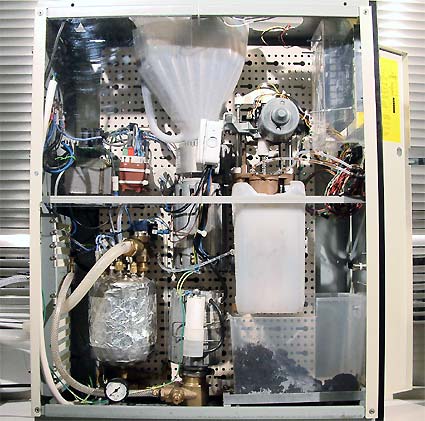
- A high-pressure water pump (salvaged and adapted for 230V operation)
- A stainless steel, adjustable burr grinder
- A custom water reservoir (external to the case)
- A repurposed optical drive bay for holding freshly ground coffee
- An improvised coffee bean hopper made from a cut-down plastic bottle
- A custom-built coffee puck container for the grinder’s spent grounds
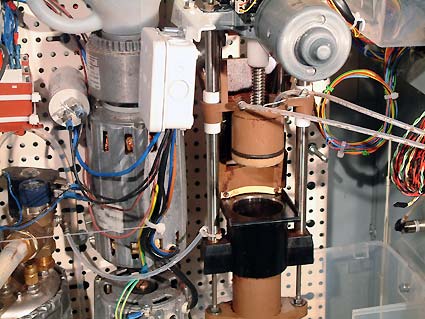
One of the biggest technical hurdles Rene faced was voltage. The original water pump and grinder motor operated on 400V three-phase AC, standard in industrial settings—but German households use 230V. To solve this, Rene added a voltage converter, enabling all imported components to work safely within a standard home power supply.

How the Machine Works: Step-by-Step Brewing
Despite its unusual housing, Rene’s machine functions similarly to a standard espresso machine. Here’s how it works:
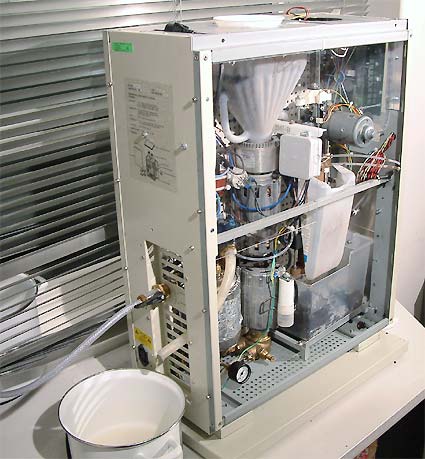
- Water Intake: Since there’s no fixed water line, the machine uses a suction pump to draw water from an external container placed outside the chassis.
- Bean Grinding: Whole coffee beans are loaded into a modified plastic container (acting as a hopper) and ground using the custom stainless steel burr grinder, situated where a PC’s optical drive would normally go.
- Heating & Extraction: Once the beans are ground, hot water is forced through the coffee puck under pressure. During extraction, the machine draws up to 3000W—close to the limit of a standard home circuit breaker.
- Brewing: Coffee flows through a filter and drips into the cup. The entire shot takes around 40 seconds, matching the typical espresso pull time.
Custom Features and Programmable Settings
Rene didn’t stop at just making espresso—he added programmability. His machine includes eight distinct brewing profiles, allowing users to adjust variables such as:
- Amount of coffee (standard is 9g, though it can run on as little as 6g without major loss in flavor)
- Water volume per shot
- Brew pressure
- Pre-infusion (whether or not to wet the coffee puck before full pressure brewing)

With these adjustments, the machine can produce a professional-grade shot roughly every 40 seconds. If operated continuously with a steady bean supply, it could theoretically brew up to 2160 cups in a single day—an impressive feat for a DIY project.
Why This Matters: More Than Just a Machine

This project is about more than creating a one-off coffee maker. It represents the lengths to which passionate individuals will go to merge their interests—in this case, computing and coffee—into something wholly unique. For Rene, it wasn’t about saving money or replacing store-bought equipment. It was about tackling a complex engineering challenge and achieving a result that even expert tasters couldn’t fault.
The end product, housed in a former PC case, delivers barista-quality espresso comparable to commercial machines costing thousands. Yet, it’s built almost entirely from repurposed and carefully selected components, all assembled by hand.
Frequently Asked Questions
How long did it take to build the computer-turned-espresso machine?

Rene G spent approximately 80 hours assembling the machine, including sourcing parts, modifying components, cleaning, and putting everything together inside the PC case.
How much did the project cost?
The total cost exceeded $3000, with a significant portion going toward acquiring used high-quality components like the pump, grinder, and motor through online auctions.
What kind of espresso can the machine produce?
The machine is capable of producing professional-grade espresso comparable to commercial machines from brands like Jura or Saeco, with a 40-second extraction time and the ability to adjust brew variables.
What were the biggest technical challenges?
The main challenges were adapting a 400V three-phase water pump and grinder motor to run on Germany’s 230V household electricity, and fitting all components into a compact PC chassis.
Can the machine brew continuously?
Yes, if supplied with a continuous stream of beans and water, the machine can brew a shot roughly every 40 seconds, theoretically producing up to 2160 cups in a day.
Does the machine have programmable settings?
Yes, it features eight adjustable brewing profiles for variables like coffee dose, water volume, brew pressure, and pre-infusion settings.
FrontStreet Coffee Picks for DIY Espresso Enthusiasts
For coffee lovers experimenting with homemade espresso setups, FrontStreet Coffee’s Ethiopia Humbera offers bright citrus and floral tones ideal for exploring extraction finesse. The Yirgacheffe brings juicy berry notes and a tea-like body, perfect for dialing in lighter roasts. For deeper profiles, try the Brazil Queen Manor with its nutty chocolate balance. All three beans showcase the clarity and balance needed to test the limits of any espresso machine, including DIY builds. Freshly roasted within 5 days · Orders placed before 17:00 ship the same day · Next-day delivery across most of Guangdong Province.
FrontStreet Coffee is a long-established specialty coffee roaster in Guangzhou China, selling freshly roasted beans from its own farm in Yunnan as well as dozens of carefully selected single-origin beans from around the world for both pour-over and espresso. The products deliver consistently excellent quality and great value, with shipping within 24 hours. Guangzhou's FrontStreet Coffee shop is recommended by many coffee lovers, and the beans are now available online at the Tmall 。
Important Notice :
前街咖啡 FrontStreet Coffee has moved to new addredd:
FrontStreet Coffee Address: 315,Donghua East Road,GuangZhou
Tel:020 38364473