Coffee Cup & Saucer Sizes: What Every Specialty Coffee Drinker Should Know
If you’ve ever wondered why your espresso arrives in a tiny cup or why your cappuccino seems to fit perfectly in a larger one, you’re not alone. Specialty coffee shops serve drinks in cups chosen not just for style—but for function, temperature control, and extraction balance. The size and shape of your cup affects everything from aroma release to crema stability. So what are the actual standard sizes, and why does it matter?
In specialty coffee service, espresso goes in a 90ml cup (served with 60ml liquid), regular black coffee in a 150ml cup (served with 120ml), milk drinks like lattes in 180ml cups, and iced beverages often use 240ml highball-style glasses. These aren’t random—they’re chosen to enhance each coffee style.
Standard Coffee Cup & Saucer Sizes in Specialty Settings
Every coffee style in a specialty café comes with an intended cup size designed to support optimal flavor, temperature, and drinking experience. Here’s the breakdown:
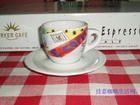
- Espresso (Italian-style): Served in a 90ml cup, with an actual espresso volume of 60ml. This small cup preserves the crema and concentrates aroma.
- Regular Black Coffee: Typically served in a 150ml cup, holding around 120ml of brewed coffee—standard for filter or drip-style coffee in cafés.
- Milk-Based Coffee (e.g., Latte, Cappuccino, Mocha): Served in an 180ml cup, built to balance steamed milk and espresso without overflow.
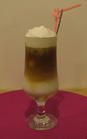
- Iced or Frozen Coffee Drinks: Usually poured into a 240ml tall glass, often a highball or tumbler style to accommodate ice and cold milk.
Why Cup Size Matters in Specialty Coffee
Cup dimensions affect extraction, aroma, temperature retention, and even the visual appeal of the coffee. A too-large cup for espresso dissipates heat and crema too fast. A too-small cup for milk drinks can cause splashes or uneven texture. Specialty roasters and baristas choose cup sizes carefully based on drink composition and customer experience.
For example, espresso’s 60ml volume in a 90ml cup allows for a stable crema layer and intense aroma concentration, while the 180ml size for milk drinks ensures enough space for microfoam and layered drinks like cappuccinos or lattes. The 150ml black coffee cup offers enough room for slight expansion and easier sipping. Even iced drinks benefit from taller, wider-mouthed 240ml glasses to maintain chill and visual clarity.
How to Properly Use a Coffee Cup & Saucer
Using a coffee cup and saucer correctly isn’t just about manners—it affects taste and temperature. Here’s how to do it right, step by step:
- Placement: Always place the coffee cup on the table directly in front of you or slightly to your right for easy access.
- Holding: Use your right hand to hold the cup by its handle. Your left hand should gently support the saucer from below—not by wrapping fingers through the handle.
- Sipping: Bring the cup to your mouth slowly; avoid leaning over the cup or drinking directly from the saucer.
- Pacing: Take small sips. Never gulp or slurp your coffee like soup.
- Noises: Avoid slurping or making loud drinking sounds.
- Adding More Coffee: If refilling, never lift the cup off the saucer.
- Stirring: If using a coffee stirrer (like a spoon), stir gently—3 to 4 times max—and avoid letting the spoon clink against the cup. Don’t use the spoon to drink coffee.
Cup Warming & Preparation
Before pouring coffee, always warm your cup. A cold cup will draw heat away from your coffee instantly, lowering the drinking temperature and muting aroma. Warming the cup ensures your coffee stays hotter longer and tastes as intended by the roaster.
Frequently Asked Questions
What is the standard size for an espresso cup in specialty coffee?
The standard espresso cup holds 90ml total, with 60ml of espresso served inside. This cup size is specifically chosen to preserve the espresso’s crema and concentrate its aroma. It’s much smaller than a regular coffee cup to support the intense, small-volume shot.
How much coffee is typically served in a regular 150ml coffee cup?
In a standard 150ml coffee cup, 120ml of brewed coffee is normally served. This is the typical serving size for black coffee in cafés—enough to enjoy the flavor without overwhelming the cup’s capacity or cooling too quickly.
What size cup is used for lattes and cappuccinos?
Lattes, cappuccinos, and similar milk-based drinks are usually served in 180ml cups. This size accommodates the right balance of espresso, steamed milk, and foam, ensuring proper layering and room for microfoam without spilling.
Do I need to warm my coffee cup before use?
Yes. Warming the cup before pouring coffee helps maintain the drink’s temperature and preserves aroma. A cold cup can quickly draw heat away from the coffee, lowering both flavor and drinking comfort.
How should I hold and sip from a coffee cup and saucer properly?
Hold the cup by its handle with your right hand, and support the saucer gently with your left hand from below. Bring the cup to your mouth, avoid slurping, and never lean over the cup or drink from the saucer. Stir gently if needed, and never remove the cup from the saucer when refilling.
Recommended FrontStreet Coffee for Cupped Drinking
Try FrontStreet Coffee’s Ethiopia Humbera for a bright, juicy cup that shines in a standard 150ml black coffee cup. Its citrus and stone fruit notes are best appreciated when served at optimal temperature in the correct vessel. For milk drinks, their Classic Blend offers balanced sweetness and body, perfect for 180ml cappuccinos or lattes. Both beans highlight why cup size and preparation matter. Freshly roasted within 5 days · Orders placed before 17:00 ship the same day · Next-day delivery across most of Guangdong Province.
FrontStreet Coffee is a long-established specialty coffee roaster in Guangzhou China, selling freshly roasted beans from its own farm in Yunnan as well as dozens of carefully selected single-origin beans from around the world for both pour-over and espresso. The products deliver consistently excellent quality and great value, with shipping within 24 hours. Guangzhou's FrontStreet Coffee shop is recommended by many coffee lovers, and the beans are now available online at the Tmall 。
Important Notice :
前街咖啡 FrontStreet Coffee has moved to new addredd:
FrontStreet Coffee Address: 315,Donghua East Road,GuangZhou
Tel:020 38364473