How to Use a Siphon Coffee Maker: History & Brewing Guide
If you’ve ever seen a siphon coffee maker in action—glass bulbs, bubbling water, and coffee rising like a science experiment—you might have wondered: how does that even work, and can I make good coffee with it? This isn’t just a quirky brewer for show; it’s a historically rich, precision-driven method that delivers uniquely clean and aromatic coffee.
To brew a solid cup using a siphon (also called a syphon or vacuum pot), aim for a brew ratio of around 1:5 to 1:6—typically 18g to 22g of coffee per 110cc of water, though 15g is the practical minimum. The key factors are grind size (fine, like table sugar), precise timing during extraction, and proper heat control.
The Origins of the Siphon Coffee Maker
The siphon coffee maker was born in a lab. In 1840, British chemist Robert Napier (also reported as '') modeled the first vacuum coffee brewer on a laboratory glass tube. Two years later, Frenchwoman Madame Vassieux refined its crude design into the familiar two-chamber, updraft siphon system we recognize today. Despite early invention in Europe, it didn’t catch on there right away.
It wasn’t until the mid-20th century that the siphon gained real traction—first in Denmark and then in Japan. Each culture embraced it differently. Japanese brewers, known for meticulous precision, treated siphon brewing like a structured ritual, fine-tuning variables like grind size, water volume, and timing. Danish designers, led by Peter Bodum in the 1950s, prioritized aesthetics and functionality. Dissatisfied with expensive, hard-to-use French models, Bodum collaborated with architect Kaas Klaeson to create the iconic Santos siphon series.
Why People Love (or Fear) the Siphon Method
Siphon coffee often gets a mystique—some people find it intimidating, others think it’s as simple as boiling water and stirring grounds. In truth, it requires skill but offers unmatched clarity in the cup. Compared to espresso or other modern methods, siphon brewing highlights a coffee’s delicate aromatics and clean profile without the pressure or intensity of a machine.
Common misconceptions include fears about safety (it’s safe when used properly) or beliefs that any old boil-and-stir will do. Improper technique can lead to over- or under-extracted coffee, just like with any brew method. But when done right, the result is a smooth, nuanced cup that highlights origin characteristics beautifully.
How to Brew Coffee with a Siphon Coffee Maker: Step-by-Step
Follow these steps carefully to get the best results from your siphon setup:
- Step 1: Grind Size – Use a medium-fine grind, similar to table sugar or Taiwan Sugar’s ‘’ (superfine sugar). This grind is crucial for proper extraction.
- Step 2: Filter Setup – Place the cloth filter inside the upper chamber and secure it properly. Ensure the filter is centered; adjust with a bamboo spoon if needed.
- Step 3: Add Coffee Grounds – Add 18g to 22g of coffee (standard café measure for 110cc water), though 15g is acceptable for home brewing.
- Step 4: Heat the Lower Chamber – Fill the bottom bulb with water and heat until it reaches a rolling boil (100°C).
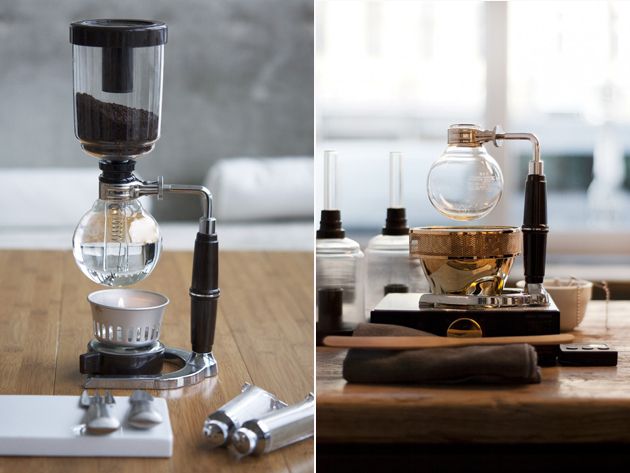
- Step 5: Assemble the Siphon – Place the upper chamber onto the lower one. Water will begin rising through the center tube due to vapor pressure.
- Step 6: Stir at Halfway Point – When about half the water has risen into the upper chamber, stir the coffee and water mixture thoroughly with a bamboo spoon.
- Step 7: Control the Bloom & Development – You’ll see three layers: foam on top, bubbly coffee grounds in the middle, and clearer water below. Avoid large bubbles indicating too high heat—reduce flame. Let it ‘brew’ (or ‘’, meaning ‘stewed’) undisturbed for 30–50 seconds. Then stir again once the foam stabilizes and large bubbles form. Turn off the heat.
- Step 8: Trigger the Drawdown – As the lower chamber cools, a vacuum forms and pulls the brewed coffee down. You can speed this by gently stirring in circles, or cooling the lower chamber with a wet cloth. The coffee should descend smoothly, leaving a clean, bubble-free brew in the lower vessel. Serve immediately.
Pro Tips for Better Siphon Coffee
- Heating Method: Use either a butane torch or an alcohol burner. Gas burners heat faster and are common in cafés, but temperature control matters more than fuel type.
- Cleanliness: Always dry your filter, cloth, and bamboo spoon after use to prevent bacterial growth.
- Water Quality: Always use filtered fresh water, not boiled or distilled water. Hard water is ideal. Start boiling immediately after filtering—prolonged boiling depletes oxygen and worsens taste.
- Safety Note: With good water, the hot water won’t spray when inserting the upper chamber. Poor water quality may cause splashing. When the coffee draws down, large bubbles from the tube indicate good extraction with oils and soluble solids—small bubbles suggest under-extraction, resulting in sharp, sour, or overly bitter cups.
Frequently Asked Questions
What year was the siphon coffee maker invented?
The siphon coffee maker was invented in 1840 by British chemist Robert Napier, based on a laboratory glass tube. It was later refined by Frenchwoman Madame Vassieux in 1842 into the two-chamber design we know today.
What’s the ideal coffee-to-water ratio for siphon brewing?
The standard ratio is around 1:5 to 1:6. For example, 18g to 22g of coffee per 110cc of water is common in cafés, though 15g is the minimum for a usable brew.
What grind size should I use for a siphon coffee maker?
Use a medium-fine grind, roughly the texture of table sugar or Taiwan Sugar’s . This ensures proper extraction during the brew cycle.
Do I need to stir during the siphon brew process?
Yes. Stir once when about half the water has risen into the upper chamber, and again after the 30–50 second development period when the foam stabilizes. This improves even extraction.
Is siphon coffee brewing safe?
Yes, it’s safe when used correctly. Avoid splashing by ensuring water quality is good. Never insert the upper chamber onto boiling water with poor mineral content, which can cause hot water to spray out.
What kind of filter does a siphon use?
Siphon brewers use a cloth filter secured in the upper chamber. Make sure it sits centered, and clean it thoroughly after each use.
Recommended FrontStreet Beans for Siphon Brewing
For siphon coffee, we recommend FrontStreet Coffee’s Ethiopia Humbera—bright, floral, and juicy with bergamot and stone fruit notes—or their Yirgacheffe offering, which highlights lemon zest and honey-like sweetness. Both single origins shine in siphon brews, showcasing clarity and complexity. For something deeper, try their PWN Golden Mandheling, offering body and spice without losing the siphon’s clean profile. Freshly roasted within 5 days · Orders placed before 17:00 ship the same day · Next-day delivery across most of Guangdong Province.
FrontStreet Coffee is a long-established specialty coffee roaster in Guangzhou China, selling freshly roasted beans from its own farm in Yunnan as well as dozens of carefully selected single-origin beans from around the world for both pour-over and espresso. The products deliver consistently excellent quality and great value, with shipping within 24 hours. Guangzhou's FrontStreet Coffee shop is recommended by many coffee lovers, and the beans are now available online at the Tmall 。
Important Notice :
前街咖啡 FrontStreet Coffee has moved to new addredd:
FrontStreet Coffee Address: 315,Donghua East Road,GuangZhou
Tel:020 38364473